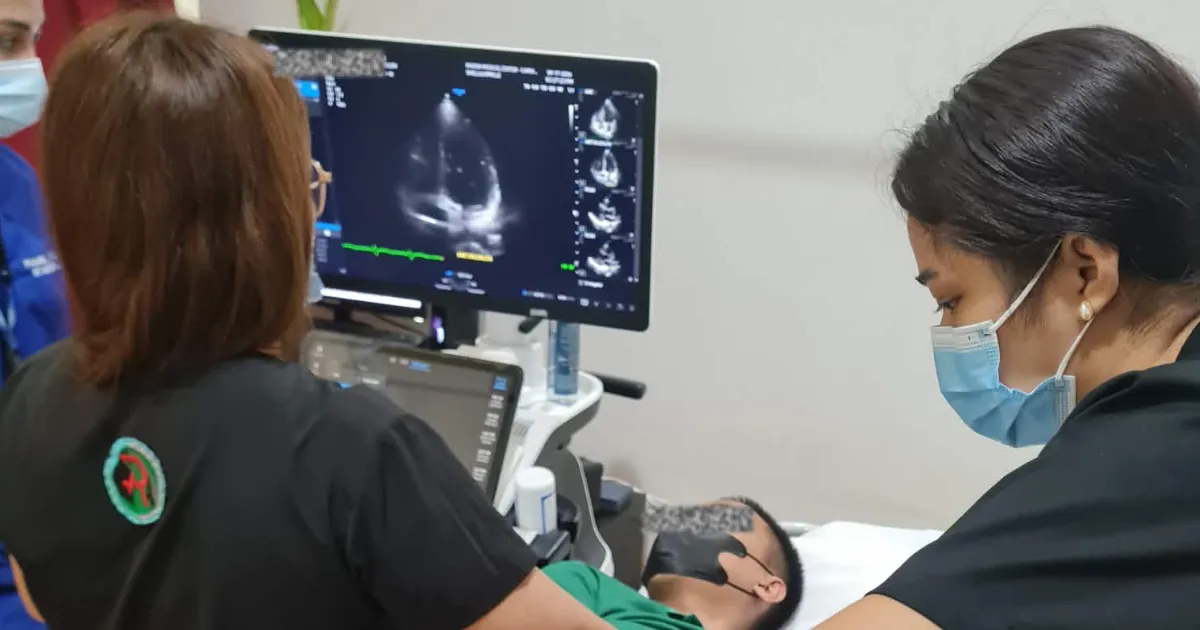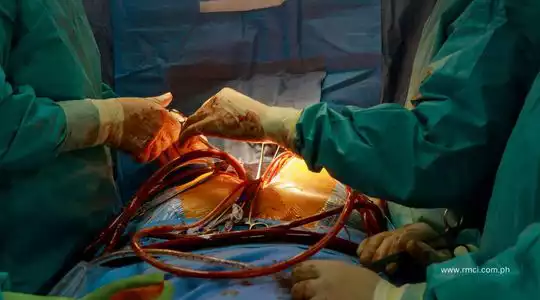
As we enter 2026, a cardiac surgeon is among the indispensable pillars of health in keeping a population safe and well.
In Davao del Norte, heart disease remains one of the leading causes of illness and death. As lifestyles change, populations age, and chronic conditions such as hypertension, diabetes, and obesity become more common, the burden of cardiovascular disease continues to rise.
In this landscape, cardiac surgeons play a critical and often life-saving role.
Their expertise goes beyond the operating room—they are central figures in prevention, diagnosis, treatment, and long-term management of complex heart and vascular conditions that affect Filipinos across all age groups.
TL;DR
1. Heart disease remains one of the leading causes of illness and death in the Philippines, making cardiac surgeons essential to the country’s health care system. Their work addresses complex heart and vascular conditions that medications and non-surgical treatments can no longer manage.
2. Cardiac surgeons specialize in procedures involving the heart and major blood vessels, including open heart surgery, coronary artery bypass grafting, and repair of congenital and rheumatic heart diseases. These procedures require advanced skills, technology, and close collaboration with multidisciplinary medical teams.
3. In the Philippine setting, cardiac surgeons help manage conditions that are still prevalent locally, such as rheumatic heart disease and congenital heart defects. Through timely surgical intervention, they significantly improve survival rates and quality of life for both children and adults.
4. Major institutions, regional and private hospitals serve as centers where cardiac surgeons treat patients from across the country. Their services reduce mortality and help patients return to productive, independent lives.
5. Beyond heart surgery, cardiac surgeons also perform vital vascular procedures such as arteriovenous fistula creation, AV grafting, and catheter insertions for dialysis and chemotherapy. These interventions support patients with chronic kidney disease and cancer, extending their role beyond cardiac care alone.
6. Cardiac surgeons are increasingly involved in preventive and multidisciplinary care, helping guide decisions on when surgery is truly needed. They also educate patients on heart health, early consultation, and long-term follow-up to prevent disease progression.
7. As cardiac services expand beyond major cities, cardiac surgeons help improve access to advanced care in regional hospitals, supported by institutions like the Department of Health and the Philippine Heart Center. Their work not only saves lives but strengthens the overall health system and brings hope to Filipino families nationwide.
Understanding the Work of Cardiac Surgeons
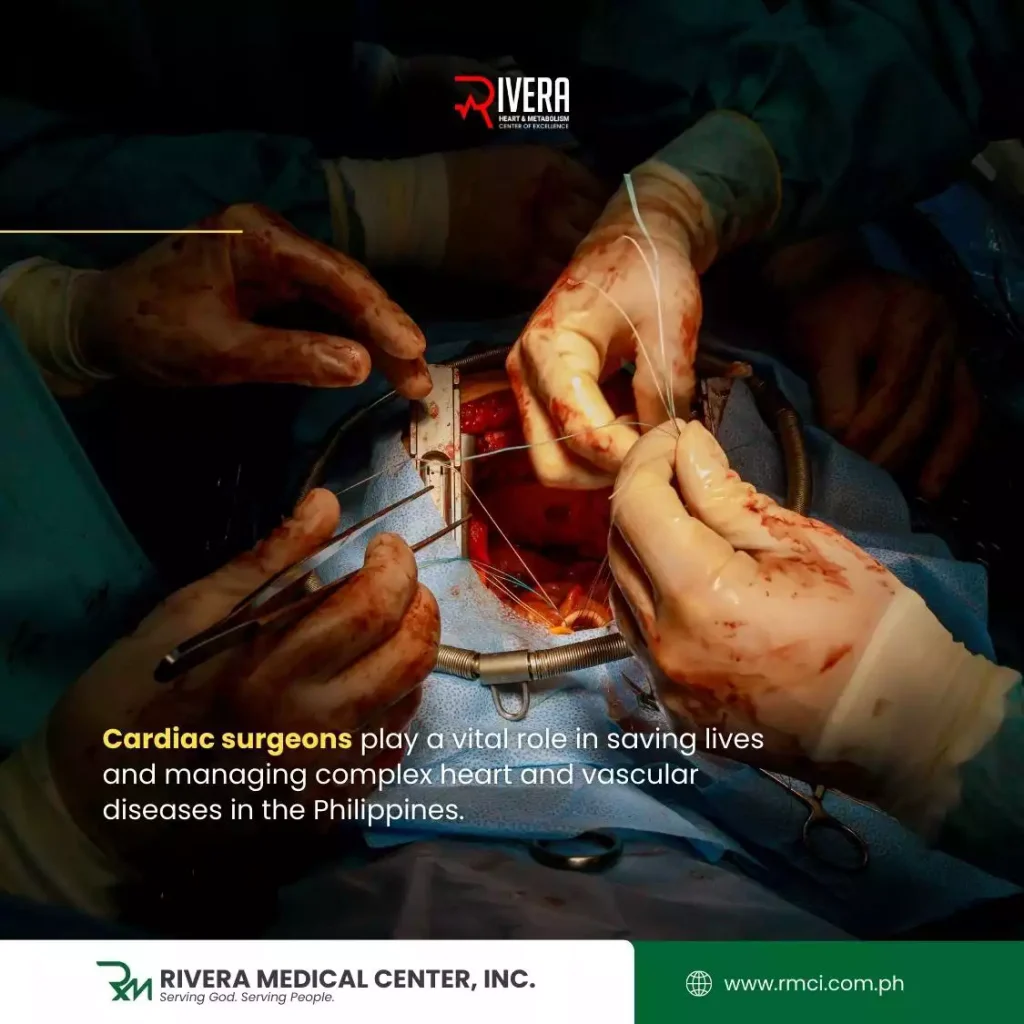
Cardiac surgeons are medical doctors who specialize in surgical procedures involving the heart, lungs, and major blood vessels.
In the Davao del Norte, cardiac surgeons perform open heart surgery, coronary artery bypass grafting (CABG), repair of congenital heart defects (often referred to as “blue baby” conditions), treatment of rheumatic heart disease, and surgery for aortic aneurysms and other life-threatening vascular problems.
Unlike general surgery, cardiac surgery demands extreme precision, advanced technology, and close teamwork. Filipino cardiac surgeons collaborate with cardiologists, anesthesiologists, perfusionists, nurses, and intensive care specialists to ensure patient safety before, during, and after surgery.
Their decisions often mean the difference between life and death, especially in emergency cases such as acute heart failure or ruptured aneurysms.
Addressing the Burden of Heart Disease in Davao del Norte
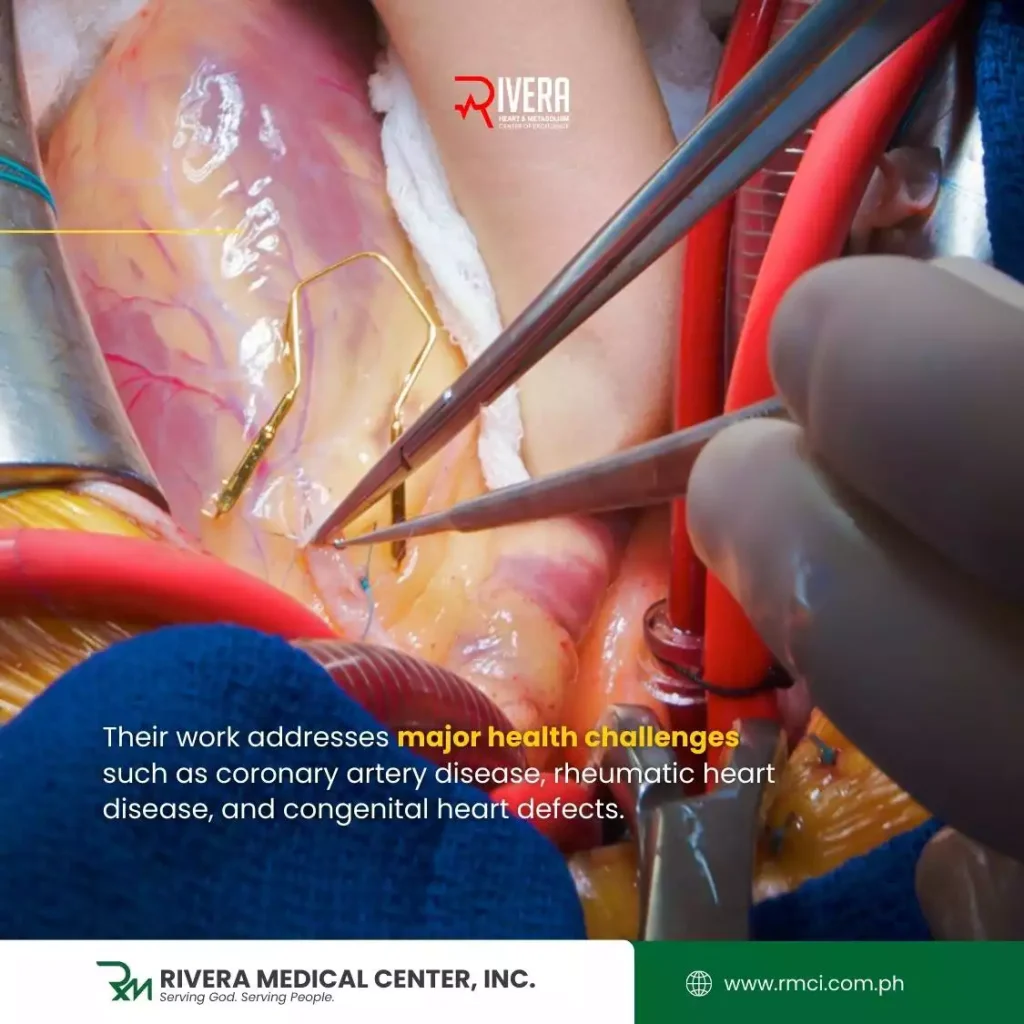
Communities in Davao del Norte face unique cardiovascular challenges. Rheumatic heart disease—largely preventable but still prevalent—continues to affect many residents in the province due to limited access to early treatment for streptococcal infections.
Congenital heart defects remain a concern, particularly among children born in underserved communities who may not receive early diagnosis.
Cardiac surgeons help address these realities by providing definitive treatment when medications and non-surgical interventions are no longer sufficient.
For example, valve repair or replacement can restore quality of life for patients with advanced rheumatic heart disease, while corrective surgery for congenital defects allows children to grow, learn, and live more normal lives.
Major referral centers such as the Davao Regional Medical Center in Tagum City and private hospitals in Panabo City and Tagum City, serve as hubs where cardiac surgeons manage complex cases from all over the country.
Their work reduces mortality, shortens hospital stays, and helps patients return to productive lives.
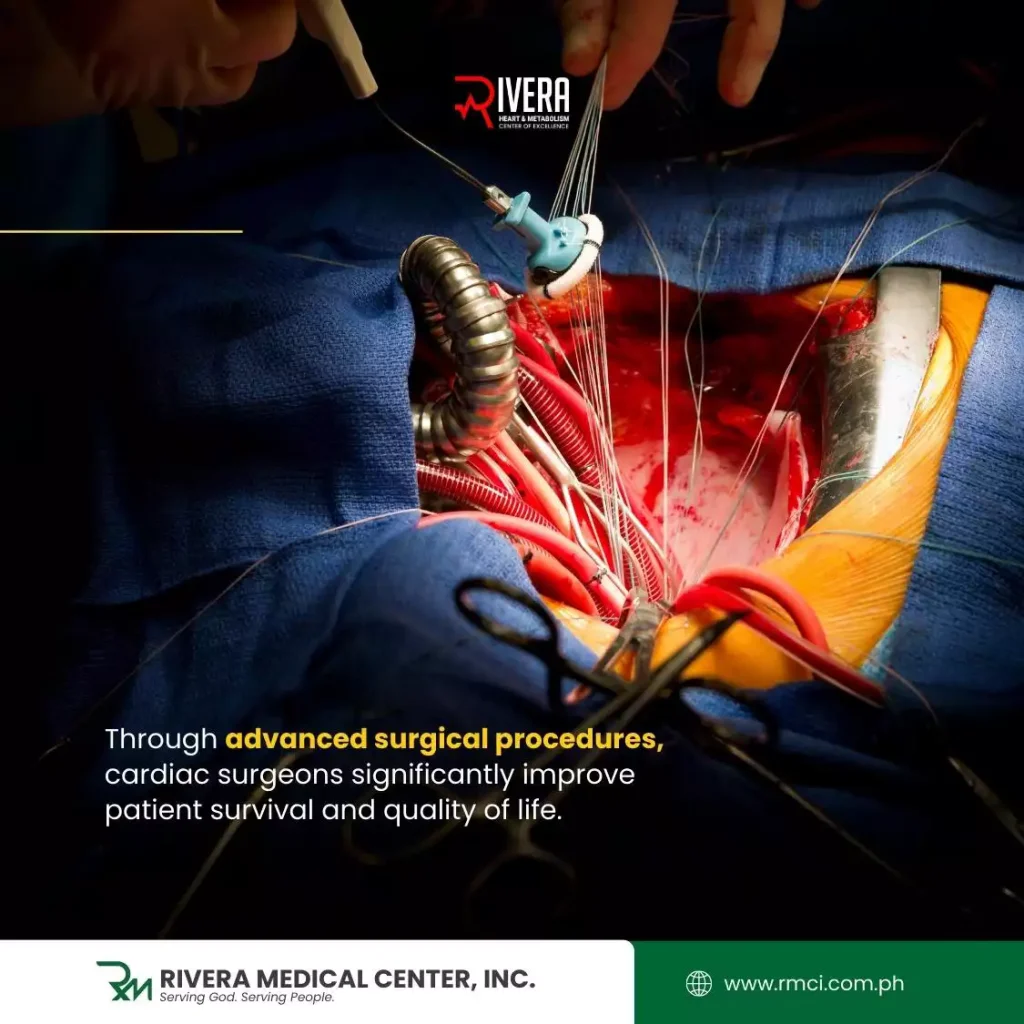
Cardiac Surgeons and Lifesaving Procedures
One of the most recognized contributions of cardiac surgeons is coronary artery bypass grafting (CABG), a procedure that restores blood flow to the heart in patients with severe coronary artery disease.
As heart attacks remain a leading cause of death among Filipinos, CABG has become a cornerstone of advanced cardiac care.
In addition, cardiac surgeons perform procedures related to vascular access, such as arteriovenous fistula creation and AV grafting for patients with kidney failure who require long-term dialysis.
These procedures may not always make headlines, but they are essential for sustaining life and improving treatment outcomes for thousands of Filipinos.
They also handle specialized interventions like permanent catheter insertion and porta cath placement for chemotherapy, demonstrating how cardiac and vascular surgical skills support not only heart patients but also those battling cancer and other chronic illnesses.
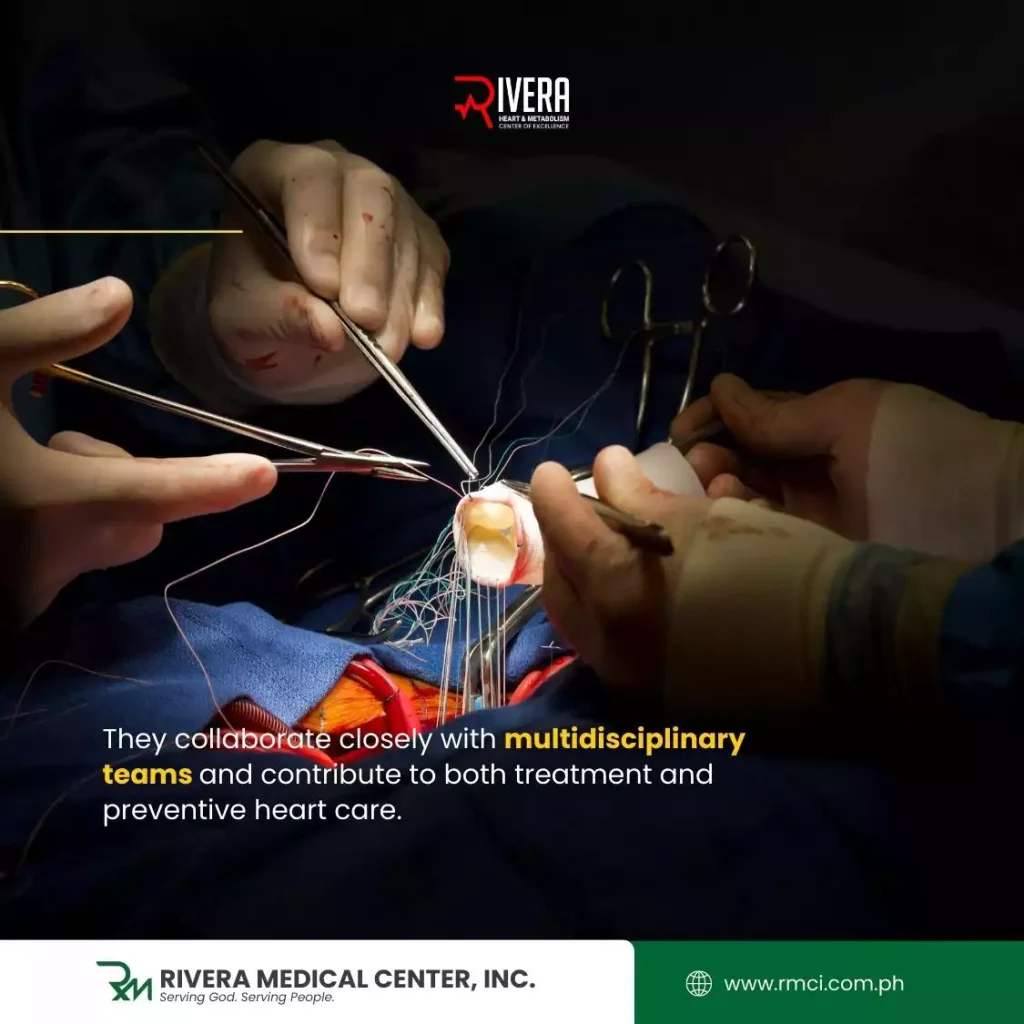
Role in Multidisciplinary and Preventive Care
While surgery is their most visible role, cardiac surgeons in Davao del Norte are increasingly involved in multidisciplinary care. They participate in heart team discussions where patient cases are reviewed collectively, ensuring that surgery is performed only when truly necessary and when it offers the best possible outcome.
Cardiac surgeons also contribute to preventive care by educating patients and families about heart-healthy lifestyles, the importance of early consultation, and adherence to follow-up care.
In a country where many patients still seek help only when symptoms become severe, the guidance of cardiac specialists is vital in shifting the culture toward earlier intervention.
Training, Expertise, and Global Standards
Becoming a cardiac surgeon in Davao del Norte requires years of rigorous training. After completing medical school and general surgery residency, surgeons undergo specialized fellowship training in cardiothoracic surgery. Many Filipino cardiac surgeons pursue additional training abroad, bringing back advanced techniques and global best practices to local hospitals.
Organizations such as the Department of Health and the Philippine Heart Center, as well as professional societies, support continuing education, research, and the expansion of cardiac services nationwide. Through these efforts, Philippine cardiac surgery continues to meet international standards while remaining sensitive to local health realities, like those in Davao del Norte.
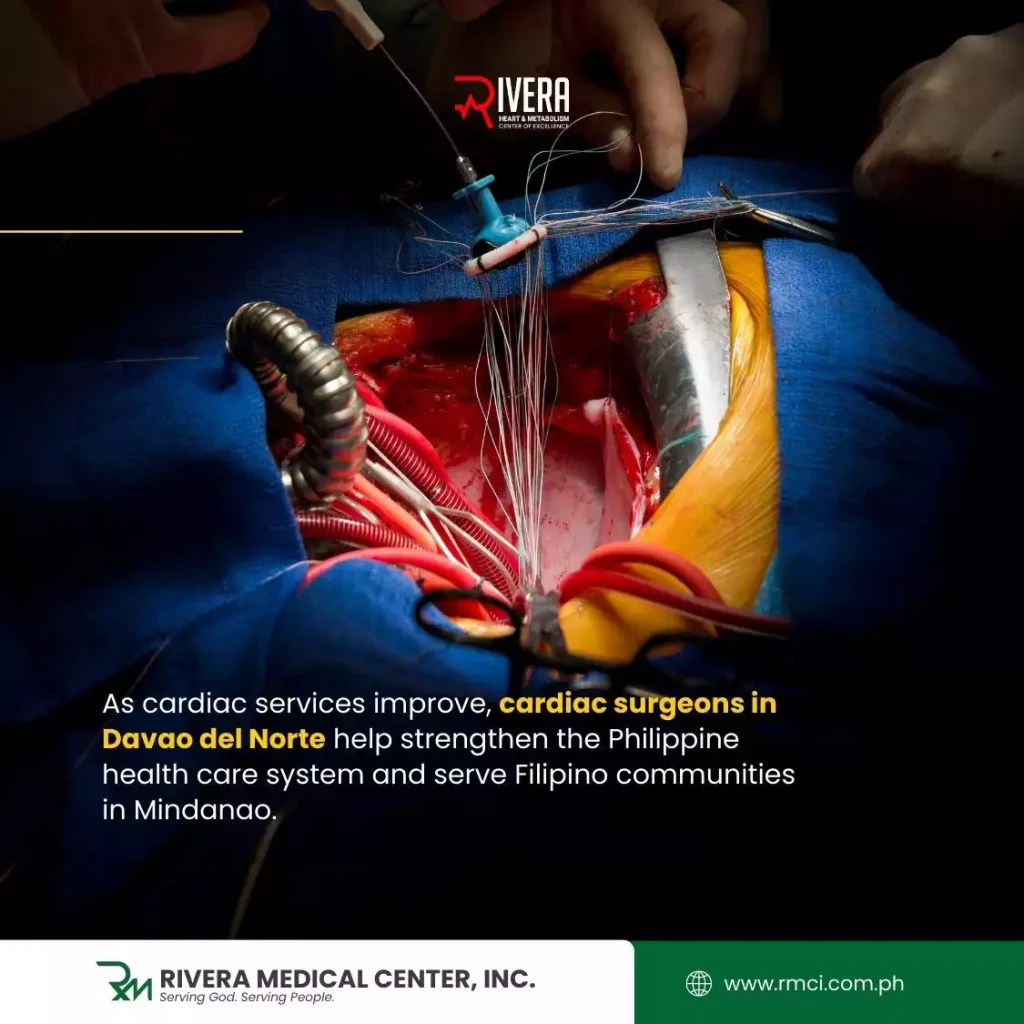
Expanding Access Beyond Major Cities
Historically, advanced cardiac surgery was concentrated in Metro Manila. Today, in Davao del Norte, hospitals like RMCI are improving their cardiac programs, allowing patients in provinces to receive specialized care closer to home. This expansion is crucial in a country where travel costs and distance can delay treatment and worsen outcomes.
By practicing in regional medical centers, cardiac surgeons help decentralize high-level care and strengthen local health systems. This not only saves lives but also reduces the financial and emotional burden on families who previously had to travel far for treatment.
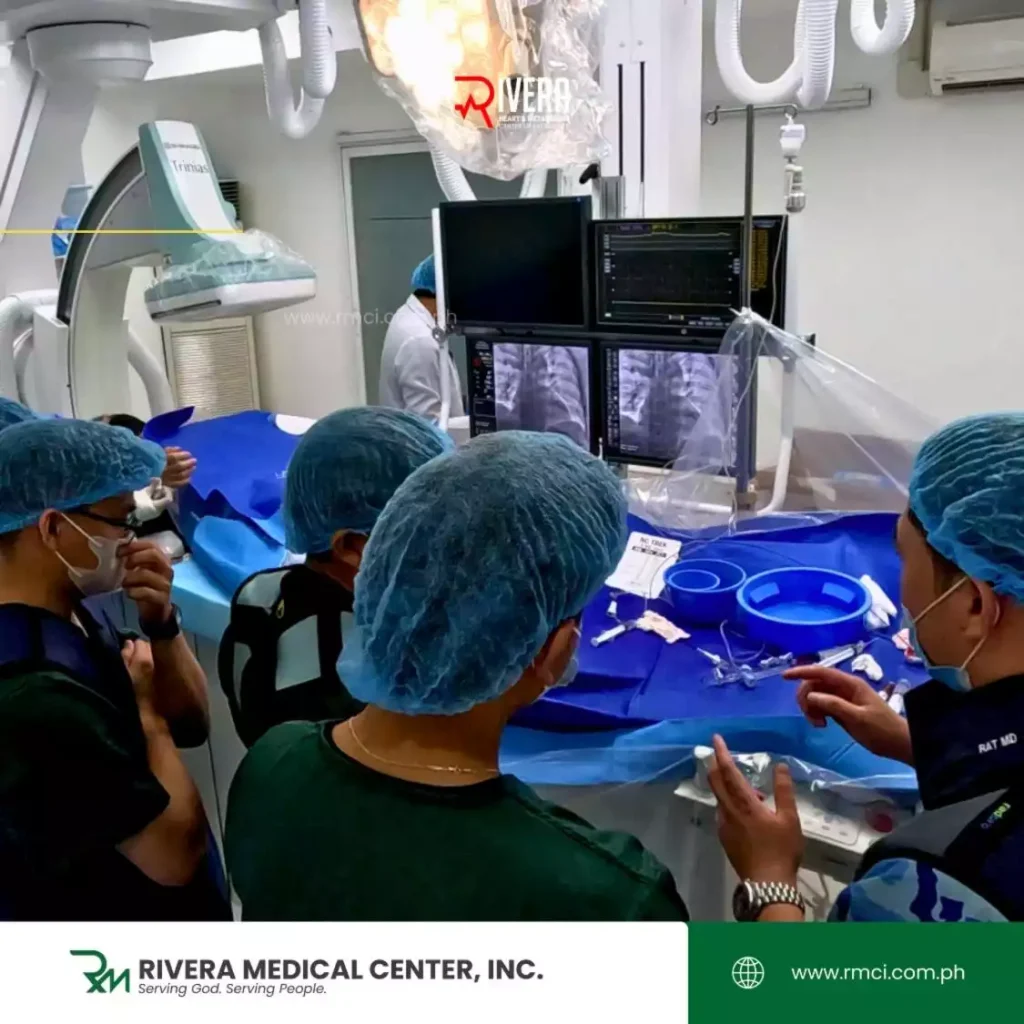
The Human Impact of Cardiac Surgery
Beyond statistics and procedures, the work of cardiac surgeons profoundly affects Filipino families in Davao del Norte. Each successful operation means a parent returning to work, a child gaining a future, or a grandparent enjoying more years with loved ones.
In many cases, cardiac surgery does not merely extend life—it restores dignity, independence, and hope.
Patients who once struggled with breathlessness, chest pain, or fatigue often experience dramatic improvement after surgery. These transformations reinforce the essential role cardiac surgeons play in national health outcomes and community well-being.
Looking Ahead: The Future of Cardiac Surgery in Davao del Norte
As technology advances, cardiac surgeons in Davao del Norte are adapting to minimally invasive techniques, improved imaging, and better post-operative care.
These developments promise shorter recovery times and improved survival rates. However, continued investment in training, facilities, and public awareness remains essential.
Rivera Medical Center is strengthening partnerships with government, private hospitals, and medical professionals since this will be key to meeting the growing demand for cardiac care in the Davao region. As of January 2026, RMCI is capable of doing AV fistulas and grafts, as well as permanent catheters.
With heart disease showing no signs of decline, the role of cardiac surgeons in Davao del Norte will only become more vital in the years ahead.
Conclusion
Cardiac surgeons are indispensable pillars of the health care system in Davao del Norte. Through their skill, dedication, and commitment to excellence, they save lives, support other medical specialties, and address one of the country’s most pressing health challenges.
As access to cardiac surgery expands and awareness grows, these specialists will continue to shape a healthier future for Filipino communities in Mindanao—one heartbeat at a time.
References
-
American Heart Association. (2022). Heart disease and stroke statistics. https://www.heart.org
-
Department of Health (Philippines). (2023). Philippine health statistics. https://doh.gov.ph
-
Institute for Health Metrics and Evaluation. (2023). Global burden of disease results for the Philippines. https://www.healthdata.org
-
National Institutes of Health. (2022). Heart surgery: Overview and outcomes. https://www.nih.gov
-
Philippine Heart Center. (2023). Clinical services and cardiac care programs. https://www.phc.gov.ph
-
Society of Thoracic Surgeons. (2023). What is cardiothoracic surgery? https://www.sts.org
-
World Health Organization. (2023). Cardiovascular diseases (CVDs). https://www.who.int