A Basic Guide to Breast Cancer Prevention in the Philippines
This October 2026, Rivera Medical Center joins the healthcare community in advocating women’s health and nutritional care to reduce cases of breast cancer in the Philippines, especially in Davao del Norte.
Cancer remains a formidable, multi-faceted health challenge that touches nearly every family. In the Philippines, cancer stands as the second leading cause of mortality, leaving a profound impact on communities and the healthcare system.
Recent statistics from the Philippine Cancer Society highlight a sobering and urgent reality for women’s health: approximately 32 Filipinas die every single day from breast cancer.
When viewed through a broader lens, the global landscape is equally devastating, with a life lost to cervical or breast cancer every few minutes.
These numbers represent mothers, daughters, sisters, and friends, underscoring the critical need for widespread education and preventive action.
While certain breast cancer risk factors—such as age, genetic mutations (like BRCA1 and BRCA2), reproductive history, and family lineage—remain firmly outside of your control, you are far from powerless in this fight.
Extensive clinical research demonstrates that making deliberate, consistent, and informed everyday lifestyle changes can significantly lower your risk of developing the disease. Prevention is a lifelong practice of empowerment, enabling you to build a resilient foundation for your overall well-being.
Harness the Power of Movement
At Rivera Medical Center, our health experts advocate that physical activity is far more than a tool for cardiovascular health; it is a critical pillar in cancer prevention.
Maintaining a healthy body weight is perhaps the most heavily weighted controllable factor in breast cancer prevention. Adipose (fat) tissue is metabolically active and produces estrogen, a hormone that can fuel the development and growth of hormone-receptor-positive breast cancers.
By keeping body fat within a healthy range, you effectively lower circulating estrogen levels in your bloodstream. Try to systematically reduce sedentary behavior—sit less, stand more, and incorporate movement snacks throughout your daily routine.
The Aerobic Baseline
Aim for a minimum of 150 to 300 minutes of moderate-intensity aerobic exercise every week. Brisk walking, cycling, swimming, or dancing are excellent choices that elevate your heart rate and improve cellular oxygenation. Alternatively, 75 to 150 minutes of vigorous activity, such as running or high-intensity interval training (HIIT), can offer similar preventive benefits in less time.
Metabolic Conditioning
Complement your cardiovascular efforts with strength-training exercises at least twice a week. Lifting weights, using resistance bands, or practicing bodyweight exercises (like squats and push-ups) builds lean muscle mass. This increased muscle mass enhances insulin sensitivity and improves metabolic health, creating an internal environment that is far less hospitable to cancer development.
Build Your Nutritional Armor
What you eat dictates the structural building blocks of your body and directly impacts your hormonal balance, immune function, and inflammatory response. Dietary choices can serve as protective armor against cellular damage.
Clinical studies suggest that following a Mediterranean-style dietary pattern can be particularly beneficial in lowering breast cancer risk, especially for women navigating life after menopause.
Plant-Forward Foundation
Center your plate around diverse, colorful plant-based foods. Dark leafy greens, cruciferous vegetables (like broccoli, cauliflower, and Brussels sprouts), berries, whole grains (such as quinoa and brown rice), legumes, and nuts provide essential vitamins, minerals, and potent dietary fiber. Fiber is particularly vital, as it binds to excess circulating hormones in the digestive tract, aiding in their safe excretion from the body.
Prioritize Healthy Fats
Shift your culinary habits away from saturated animal fats and highly processed trans fats. Instead, generously use extra-virgin olive oil, avocados, and seeds. These sources contain strong anti-inflammatory properties that help protect cellular DNA from oxidative damage and mutation.
Lean Proteins and Omega-3s:
Opt for fatty fish like salmon, sardines, and mackerel, which are rich in protective omega-3 fatty acids. Try to substitute these for processed red meats (like bacon, sausage, and cold cuts), which have been repeatedly linked by major health organizations to an increased risk of various cancers.
Mindful Portioning:
Even highly nutritious, whole foods can contribute to weight gain if consumed in excess. Keep a close eye on portion sizes to align your caloric intake with your daily energy expenditure, ensuring a stable, healthy weight over time.
Eliminate Environmental and Chemical Toxins
Toxins introduced into the body require heavy processing by the liver, an organ intimately involved in metabolizing and clearing estrogen from your system. Overburdening the liver can disrupt this delicate balance.
Re-evaluating Alcohol Consumption:
The relationship between alcohol and breast cancer is stark: the more alcohol you consume, the higher your risk. Alcohol actively increases levels of estrogen and other hormones associated with hormone-receptor-positive breast cancer. It also damages DNA in cells and depletes the body of essential protective nutrients like folate.
It is biologically safest to avoid alcohol entirely. If you do choose to partake, strict moderation is non-negotiable. Limit yourself to no more than one drink per day, which equates to roughly 12 ounces of regular beer, 5 ounces of wine, or 1.5 ounces of distilled spirits.
The Imperative to Quit Smoking:
Tobacco use is a well-documented catalyst for numerous systemic diseases, and cumulative evidence links both active smoking and heavy exposure to secondhand smoke to a higher risk of breast cancer, particularly in premenopausal women. The hundreds of toxic, carcinogenic chemicals inhaled through cigarette smoke travel through the bloodstream, reaching breast tissue and triggering cellular mutations.
If you currently smoke, do not attempt to navigate the cessation process alone. Collaborate with your healthcare provider to utilize nicotine replacement therapies, prescription medications, and behavioral counseling strategies to quit successfully and permanently.
Navigate Hormonal Complexities
Hormonal fluctuations throughout a woman’s life play a central role in breast tissue development and cellular changes. Making informed choices about reproductive health and menopause management requires a careful calculation of individual risks and benefits.
The Protective Mechanism of Breastfeeding:
If you have babies, choosing to breastfeed can offer a substantial protective effect against breast cancer. The biological mechanisms are twofold: breastfeeding delays the return of regular menstrual cycles (reducing your lifetime exposure to endogenous estrogen) and causes structural changes in breast tissue, forcing cells to fully mature and making them naturally more resistant to mutations.
The longer you nurse—aiming for a cumulative total of a year or more across your children—the greater the preventive dividends.
Evaluating Hormonal Contraceptives:
Hormonal birth control methods, including oral combination pills, patches, rings, and hormone-releasing intrauterine devices (IUDs), carry a statistically small increased risk of breast cancer. However, it is essential to contextualize this: the baseline risk for young women is generally quite low, and the elevated risk dissipates in the years following the cessation of the contraceptive.
Discuss your complete medical and family background with your doctor, weighing this slight breast cancer risk against the substantial protective benefits these medications offer against ovarian and endometrial cancers.
Managing Post-Menopausal Hormone Therapy:
For women experiencing debilitating menopausal symptoms—such as severe hot flashes, night sweats, and vaginal dryness—hormone replacement therapy (HRT) can dramatically improve quality of life. Yet, combination hormone therapy (utilizing both estrogen and progestin) has been shown to increase breast cancer risk and increase breast tissue density, making routine mammograms harder to read. If HRT is deemed necessary for your well-being, work closely with your physician to utilize the lowest effective dose for the shortest chronological duration possible, and explore non-hormonal pharmaceutical or lifestyle alternatives first.
Cultivate Proactive Vigilance and Medical Partnership
Ultimately, early detection is your most reliable safety net. Knowing what is standard and normal for your own body architecture is one of your absolute best defenses against advanced disease. In Davao del Norte there are several programs that help women in breast cancer prevention and early detection.
Establish a lifelong routine of breast self-awareness. While you do not necessarily need a rigid, calendar-marked monthly self-exam protocol, you must be familiar enough with your tissue to recognize anomalies immediately.
If you notice any distinct changes—such as a palpable new lump, localized thickening, skin dimpling or puckering (often resembling the texture of an orange peel), unexplained redness, heat, discoloration, nipple inversion, or spontaneous fluid discharge—contact your healthcare provider without delay.
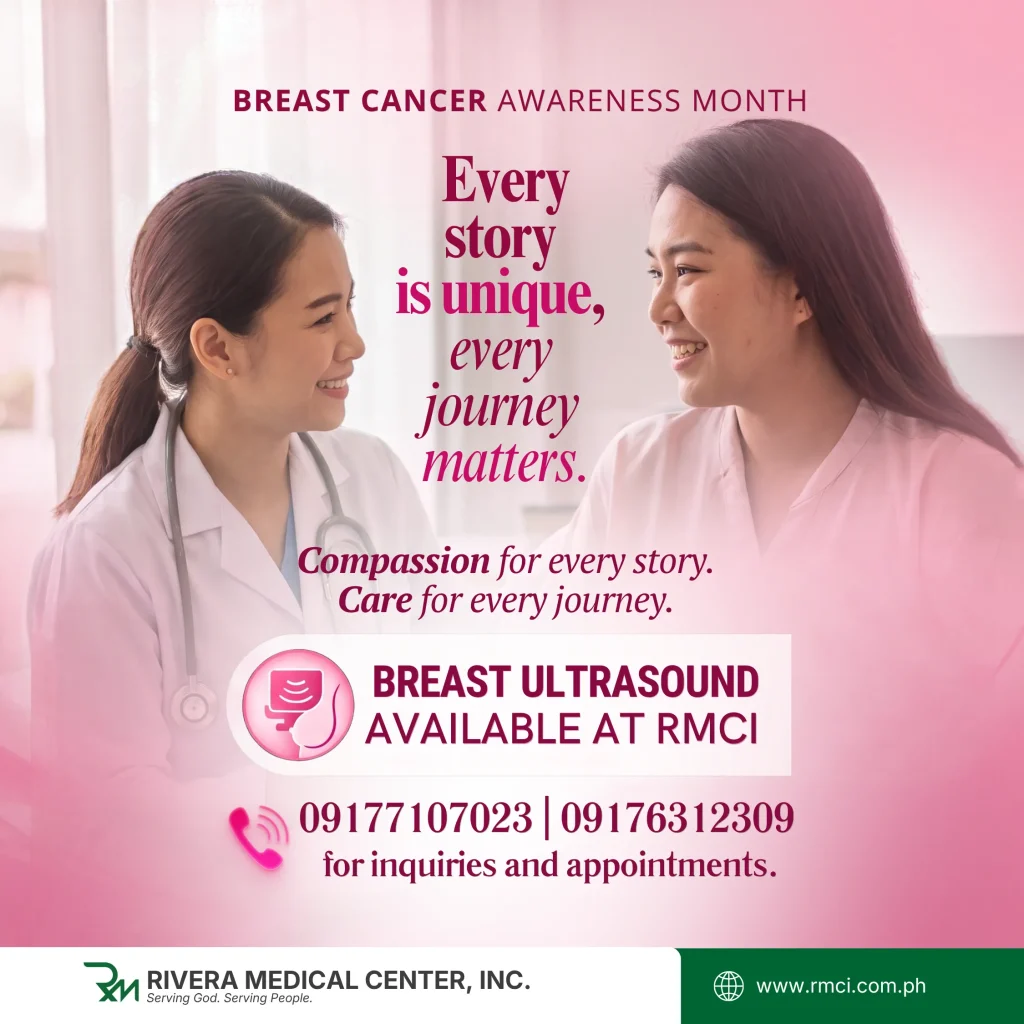
Beyond personal vigilance, never skip your clinical checkups and preventive screenings. If you’re in Davao del Norte, call RMCI to connect with a reliable obstetrician or gynecologist. A seasoned OBGYN is your best partner in this journey towards breast care and health. Engage in an open, proactive dialogue with your healthcare team about when you should commence regular mammography based on your unique risk profile. While average-risk women often begin annual or biennial screenings around age 40 or 50, those with a dense family medical history or known genetic markers will need a customized protocol.
If you fall into a high-risk category, your doctor might recommend genetic counseling, supplemental screening tools like breast MRIs or targeted ultrasounds, or even preventive medications (such as tamoxifen or raloxifene) to aggressively mitigate your risk.
You are not alone. If you are in Davao del Norte, you can easily consult with our women’s health experts at the Rivera Medical Center. We believe that taking charge of your breast health is not a singular event, but a continuous, daily choice you make for your long-term vitality.
For consultation, contact our ob-gyn and gynecologists at RMCI.