In the critical moments following a severe injury, a sudden stroke, or an acute cardiac event, time is not merely a chronological measurement—it is the ultimate deciding factor between recovery and tragedy. For the communities of Davao del Norte, having rapid access to high-tier medical intervention is a non-negotiable necessity. Positioned strategically as a premier Level 2 medical institution in Panabo City, Rivera Medical Center, Inc. (RMCI) answers this urgent call.
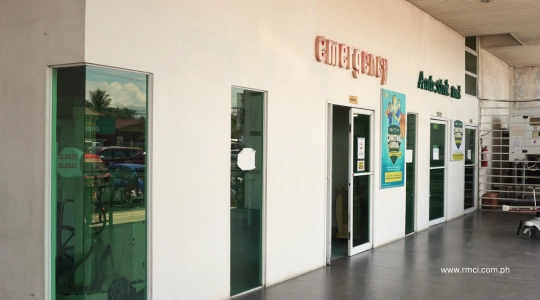
Our 24-hour Emergency Room (ER) serves as a vital healthcare lifeline, standing ready to stabilize, treat, and protect the region’s residents when every single second counts.
The geographic layout of Davao del Norte—stretching from bustling, rapidly urbanizing centers like Panabo and Tagum to remote, rural agricultural barangays and coastal communities—underscores the crucial value of a centralized, highly capable emergency room. For decades, one of the greatest challenges facing healthcare in the province was transit time.
Prior to the availability of advanced localized emergency units, families faced perilous, hour-long journeys through heavy highway traffic to reach major medical centers in Davao City for complex medical crises.
RMCI’s emergency department eliminates this dangerous delay. By providing localized, immediate critical care, the hospital significantly lowers the risk of long-term complications or mortality for regional patients.
This proximity is particularly vital for conditions where delays result in irreversible tissue damage or death, such as major arterial bleeding, severe head trauma, or acute myocardial infarction (heart attacks).
Whether it is an unexpected vehicular accident along the primary northern highway, a severe workplace injury from the region’s vast agricultural and industrial sectors, or a sudden pediatric crisis in the middle of the night, the RMCI ER functions as the province’s first line of defense.
Operating around the clock, 365 days a year, RMCI’s ER is structured specifically to handle acute, life-threatening conditions with speed, clinical precision, and absolute efficiency. The unit does not operate on a first-come, first-served basis; instead, it utilizes an advanced, systematic triage protocol designed to identify and prioritize patients based on the severity of their condition.
The department is permanently staffed by a highly cohesive team of experienced resident physicians, emergency medicine consultants, and dedicated trauma nurses. These professionals are trained to remain calm amidst chaos, executing rapid-fire decisions under intense pressure.
The ER is uniquely equipped to manage several specialized emergency streams:
The most dramatic change in PhilHealth’s policy is the transition of high-cost cardiac interventions into “Z Benefit” packages. These packages are designed for conditions that are medically and financially “catastrophic.”
Time is muscle when it comes to the heart. Working in close, seamless synchronization with the specialized Rivera Heart & Metabolism Center, the ER staff provides immediate, life-saving protocols for acute cardiac events, malignant hypertension, and stroke.
Furthermore, equipped with modern ventilators, oxygen delivery systems, and nebulization stations, the department is fully prepared to handle severe asthmatic attacks, chronic obstructive pulmonary disease (COPD) exacerbations, and acute respiratory distress.
Accidents happen without warning. The ER features dedicated trauma bays and minor operating spaces designed to handle immediate laceration repairs, wound debridement, orthopedic trauma stabilization (such as setting broken bones and splinting), and minor surgical interventions on-site.
This prevents minor injuries from escalating into systemic infections and ensures trauma patients are stabilized before being moved to the main operating theater if major surgery is required.
Children and pregnant mothers require specialized physiological consideration during medical crises. Expectant mothers experiencing sudden complications, premature labor pains, or severe eclampsia can access rapid evaluation and immediate stabilization protocols designed to protect both mother and child.
Similarly, the staff is trained in pediatric advanced life support to handle high-grade febrile seizures, severe dehydration, and pediatric infections with the gentle care children need.
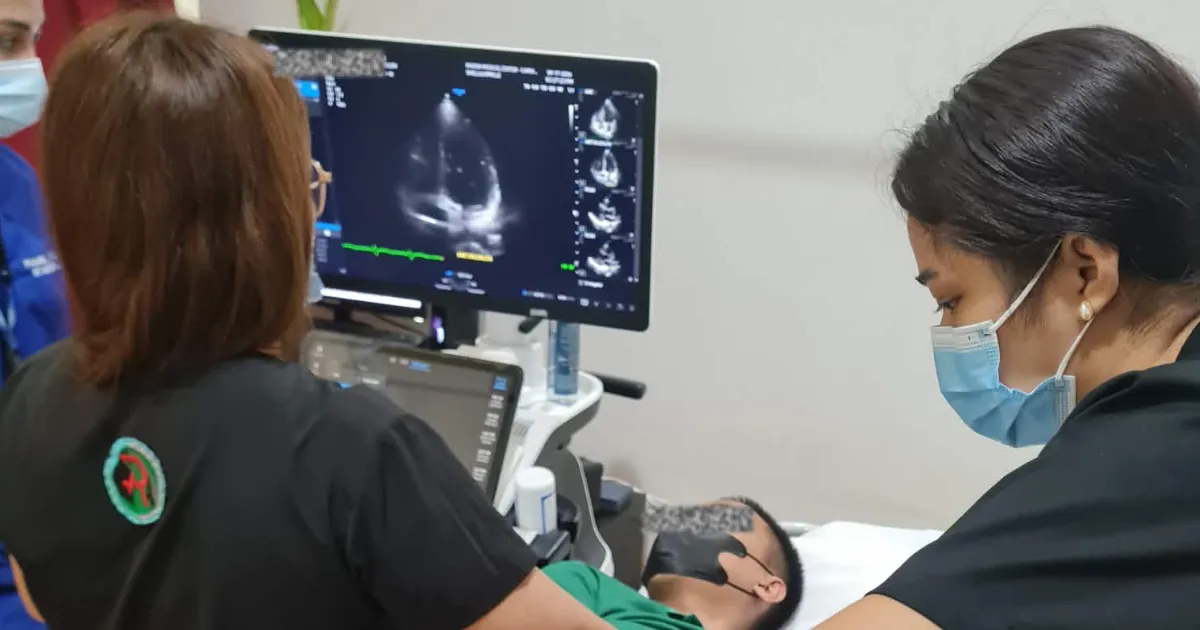
Integrated Diagnostic Support: The true clinical strength of RMCI’s ER lies in its immediate access to the hospital’s 24-hour ancillary services. Doctors do not have to guess or wait until morning; they get definitive answers in real-time through the fully integrated 24-hour clinical laboratory and advanced radiology section—including digital X-rays, ultrasound, and high-speed CT scanning. This integration allows for a definitive diagnosis within minutes of admission.
Beyond the operating room, PhilHealth has restructured the entire continuum of care for heart attacks, categorized under Acute Coronary Syndrome (ACS).
Beyond the clinical metrics, the presence of a robust emergency room at RMCI provides profound socio-economic relief to the people of Davao del Norte.
Medical emergencies are often accompanied by severe financial and emotional strain. When a family member falls critically ill, the added burden of transporting them to another city introduces logistical nightmares, extra travel expenses, and emotional displacement.
By offering world-class emergency services right in Panabo City, RMCI keeps families close to home. It ensures that rural and urban working-class populations have access to state-of-the-art medical technologies and expert physicians without leaving their support networks.
This localized care framework strengthens the community’s overall resilience, knowing that top-tier medical security is always just a short drive away.
Furthermore, RMCI works in tandem with local government units (LGUs) and disaster risk reduction management offices. When mass casualty incidents or natural calamities occur, the RMCI ER serves as a critical receiving hub, absorbing patients and alleviating pressure on public healthcare facilities, thereby reinforcing the provincial healthcare safety net.
To benefit from these expanded rates, patients and their families must keep several key requirements in mind:
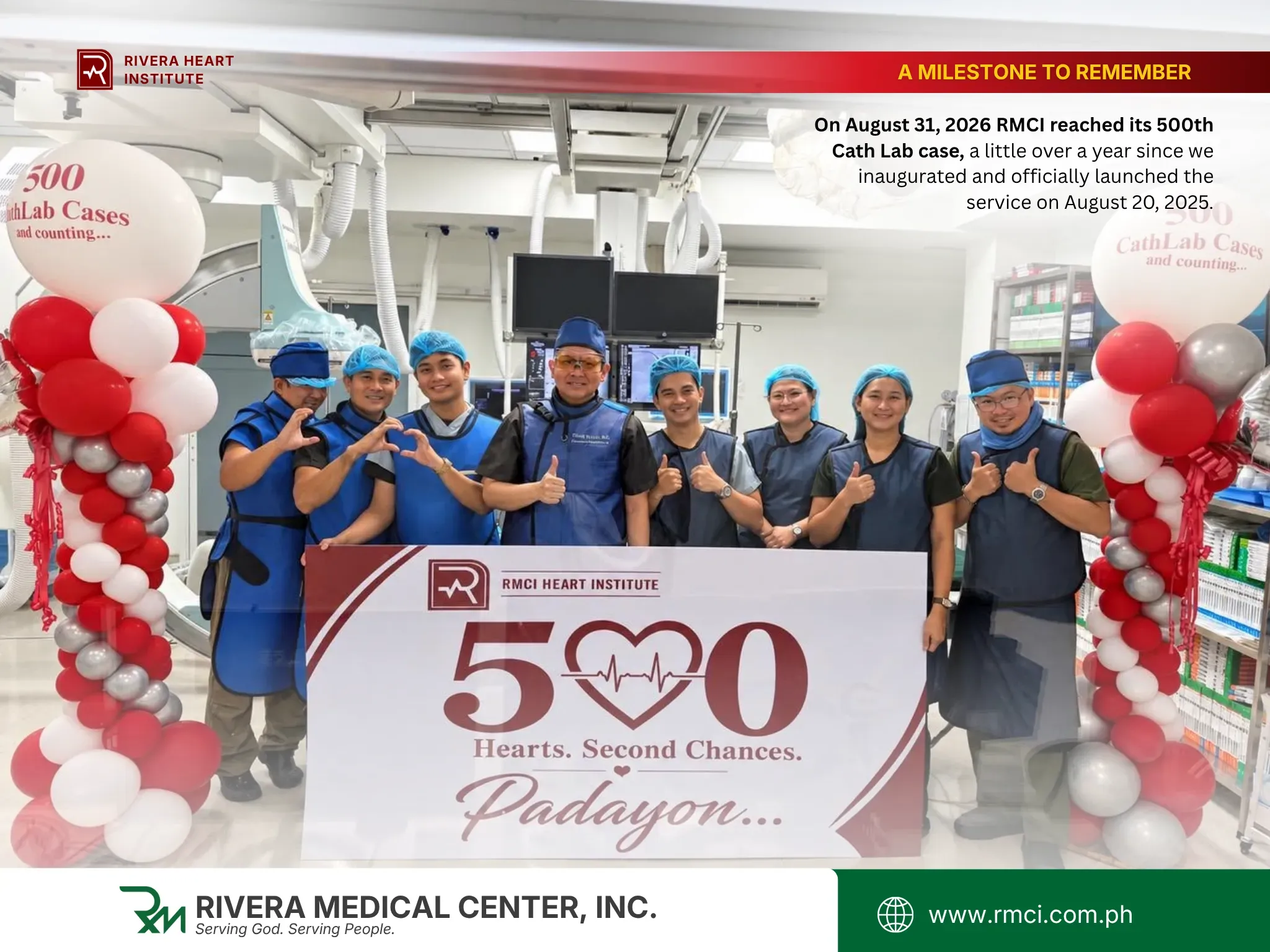
- Accredited Facilities: High-value Z Benefits are typically available at PhilHealth-contracted hospitals equipped with a functioning CathLab and specialized cardiac teams. As of 2026, the only private hospital in Davao del Norte with CathLab and specialized cardiac teams is Rivera Medical Center, Inc. in Panabo City. The other available CathLabs are in the Southern Philippine Medical Center (SPMC) and Davao Doctors Hospital, both of which are in Davao City.
- No Co-Payment Policy: In government “ward” accommodations, the No Co-Payment policy applies, meaning the PhilHealth package should cover the entire bill. In private facilities, PhilHealth serves as a significant deduction, though some out-of-pocket costs may remain depending on the hospital’s tier.
Aligned with its historical foundation dating back to 1957, RMCI operates under the core advocacy of “Serving God and Serving People.” This philosophy is not just a motto on the wall; it manifests directly within the high-stakes, fast-paced environment of the emergency department.
Emergency situations are inherently stressful, fraught with panic, fear, and uncertainty for both the patient and their loved ones. Recognizing this human element, the medical teams at RMCI are trained to balance rigid, fast-paced clinical protocols with clear, transparent communication and genuine empathy. While physicians work to save a life, nursing staff ensure that family members are kept informed, treated with dignity, and afforded the comfort of knowing their loved ones are in highly capable hands.
By bridging the gap between advanced medical infrastructure, rapid-response diagnostics, and deeply compassionate, localized care, Rivera Medical Center, Inc. ensures that the people of Panabo City and the greater Davao del Norte province never have to face life’s most unexpected and terrifying medical emergencies alone. The RMCI Emergency Room stands as a beacon of readiness, working tirelessly through the night so that the community can rest easy.
Maniwang, D. A. (2019). Levels of erectile dysfunction in type 2 diabetes in a family medicine clinic. Department of Family and Community Medicine, Rivera Medical Center, Inc., Panabo City, Davao del Norte.
Pasaol, J. C. (2019). Assessment of knowledge, attitude, practice and barriers toward palliative care among pediatric oncology health care providers in Southern Philippines. National Cancer Center Graduate School of Cancer Science and Policy.