A woman’s healthcare journey is deeply dynamic, evolving from adolescence through the childbearing years and into menopause.
In Davao del Norte, where communities stretch from the bustling coastal streets of Panabo City to remote agricultural highlands, ensuring women have immediate access to specialized Obstetrics and Gynecology (OB-Gyne) services is more than a clinical requirement—it is a vital pillar of regional development.
Importance of OBGYN professionals
While pregnancy and childbirth are celebrated milestones, they carry inherent physiological vulnerabilities. Recent data released by the Philippine Statistics Authority (PSA) underscores this reality, revealing that Davao del Norte recorded 16 maternal deaths in 2024 alone, with regional statistics showing the highest risks concentrated among women in their prime childbearing years (ages 25 to 29).
These numbers serve as a sobering reminder that comprehensive OB-Gyne services are a fundamental necessity for preserving families and securing the future of the province.

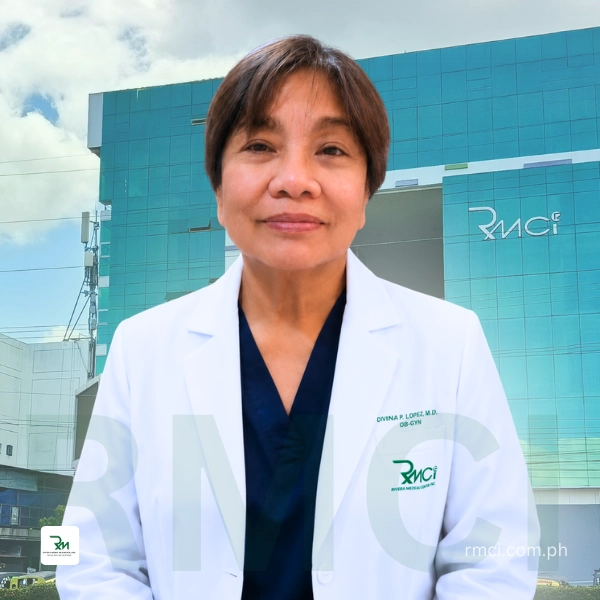

A common misconception is that an OB-Gyne is only needed when a woman is expecting a child. In truth, these specialists provide a broad spectrum of preventive, diagnostic, and therapeutic services that safeguard female reproductive health across all life stages.
At Level 2 medical centers like Rivera Medical Center, Inc. (RMCI) in Panabo City, OB-Gyne departments are organized to handle this full continuum of care.
From managing complex hormonal imbalances like Polycystic Ovary Syndrome (PCOS) in young women to guiding mature patients through the physiological transitions of menopause, specialized care directly impacts a woman’s quality of life, economic productivity, and long-term health.
Core values of integrated obstetrics
For expectant mothers in Davao del Norte, local access to advanced obstetrics drastically reduces the historical burdens of travel. In the past, high-risk pregnancies or complex delivery complications often meant long, high-stress commutes to Davao City. Today, localized maternal care transforms how families navigate pregnancy.
The core value of an integrated obstetrics unit lies in three distinct areas:
Regular prenatal checkups allow OB-Gynes to track fetal development and screen for underlying gestational complications, such as pre-eclampsia (pregnancy-induced high blood pressure) and gestational diabetes. When left unmanaged, these conditions can escalate into life-threatening emergencies during labor. Local specialists ensure these risks are mitigated months before the due date.
Time is muscle when it comes to the heart. Working in close, seamless synchronization with the specialized Rivera Heart & Metabolism Center, the ER staff provides immediate, life-saving protocols for acute cardiac events, malignant hypertension, and stroke.
Furthermore, equipped with modern ventilators, oxygen delivery systems, and nebulization stations, the department is fully prepared to handle severe asthmatic attacks, chronic obstructive pulmonary disease (COPD) exacerbations, and acute respiratory distress.
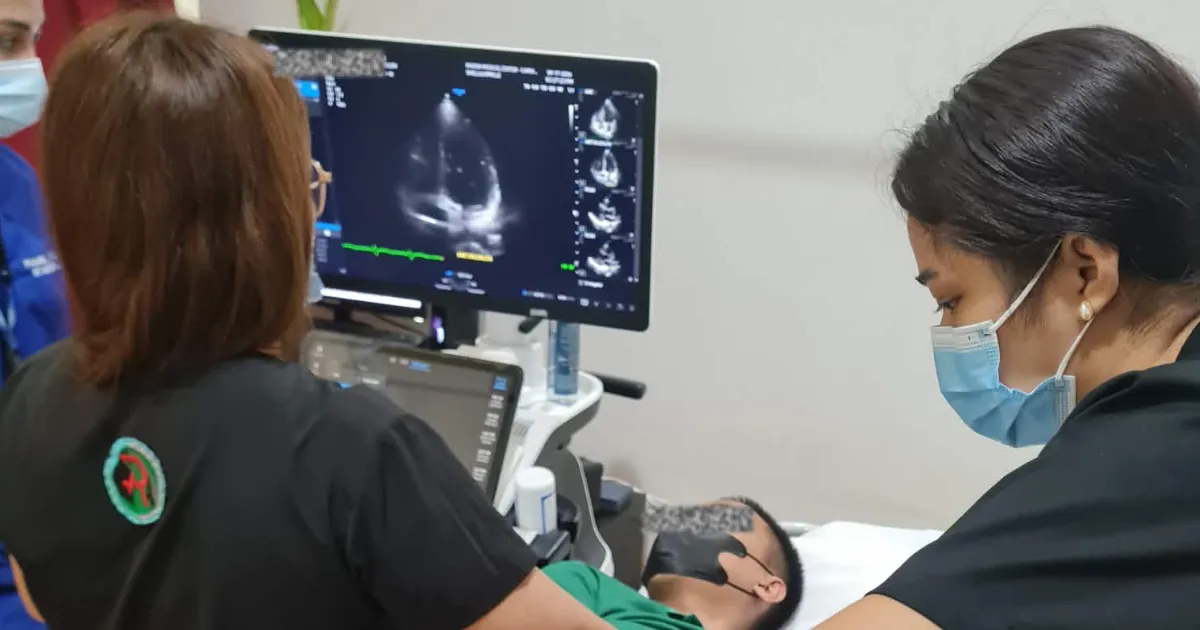
Modern OB-Gyne care relies heavily on advanced sonography. Specialized pelvic and obstetric ultrasounds, utilizing tools like color Doppler technology, allow clinicians to perform highly detailed structural evaluations of the fetus, assess amniotic fluid volumes, and examine maternal pelvic organs. This provides definitive, real-time insights that guide safe delivery planning.
When complications occur unexpectedly during labor—such as placental abruption or fetal distress—the proximity of an emergency-ready OB-Gyne team is the thin line between life and death. Having a fully operational surgical team capable of performing emergency Cesarean sections right within the province eliminates dangerous transport delays.
The Power of Synergy in Female Healthcare
The true clinical strength of localized OB-Gyne departments, such as the one at RMCI, is their structural integration with 24-hour ancillary services. Immediate access to fully operational blood banks, clinical laboratories, and modern imaging facilities guarantees that if a maternal emergency arises, specialized physicians can act instantly without waiting for external resources.
Beyond childbirth, gynecological services play a massive role in preventive medicine. in Davao del Norte, many conditions affecting the female reproductive system develop silently, showing few outward symptoms until they reach advanced stages.
Regular gynecological screenings, including Pap smears and transvaginal ultrasounds, are vital for the early detection of reproductive cancers—such as cervical, ovarian, and uterine malignancies. Cervical cancer remains one of the leading causes of cancer-related mortality among Filipino women, yet it is highly preventable and curable if caught early through routine screening and HPV vaccination.
Furthermore, OB-Gynes specialize in treating structural conditions like uterine fibroids, ovarian cysts, and endometriosis. These conditions cause severe chronic pain and heavy bleeding, often disrupting a woman’s ability to work, care for her family, or participate fully in community life. By addressing these issues through targeted medical therapies or minimally invasive surgical techniques, specialists restore physical comfort and personal autonomy to their patients.
OB-Gyne services in Davao del Norte
Medical metrics tell only half the story. The value of OB-Gyne services in Davao del Norte is also measured by the empathy, privacy, and empowerment delivered to patients.
Women’s health concerns are deeply personal and frequently stigmatized. A dedicated OB-Gyne provides a safe, confidential environment where women can discuss fertility challenges, family planning choices, and reproductive health concerns without judgment.
By training clinicians to combine rigid medical protocols with deeply compassionate communication, regional healthcare providers ensure that women feel respected and heard throughout their treatment.
This patient-centric approach builds trust, encouraging more women across the province to step out of rural areas and seek professional medical advice early, rather than relying on unverified traditional methods.
Investing in and utilizing localized OB-Gyne services across Davao del Norte is not just about medical infrastructure; it is an investment in the foundational fabric of society. When a woman receives high-quality, specialized care, the benefits ripple outward to her children, her family, and her broader community.
Institutions like Rivera Medical Center, Inc. continue to champion this cause by providing comprehensive, round-the-clock obstetric and gynecological care tailored to every stage of a woman’s life. By ensuring that expert specialists, high-precision diagnostics, and compassionate delivery rooms are readily accessible in Panabo City, Davao del Norte moves steadily closer to a future where no mother or woman has to compromise on her health security.
REFERENCES
Alimohammadi, F. (2024). The economics of healthcare access: Market dynamics, public-private balance, and maternal health in the Philippines. Review of Integrative Business and Economics Research, 13(3), 250–265.
Frane, R. D. (2025). Assessment of maternal nutritional status in early pregnancy and gestational weight gain in selected areas in the Philippines: A pilot study. Journal of Nutritional Science and Primary Care, 14(2), 112–120.
Ganancial, F. S. (2025). Geographical disparities in maternal healthcare and mortality in the Philippines: A 10-year comparison. International Health, 18(1), 83–91.
Maranian, G. P. (2015). Effect of implementation of an early hospital discharge policy on the readmission rates of neonates born by uncomplicated vaginal delivery: Matched cohort study with historical controls. Southern Philippines Medical Center Journal, 1(1), 14–22.
Matutino, R. I. K. P. (2024). Quality of prenatal care among mothers in selected barangays in Davao City, Philippines. Philippine E-Journals of Health and Social Sciences, 6(2), 45–58.