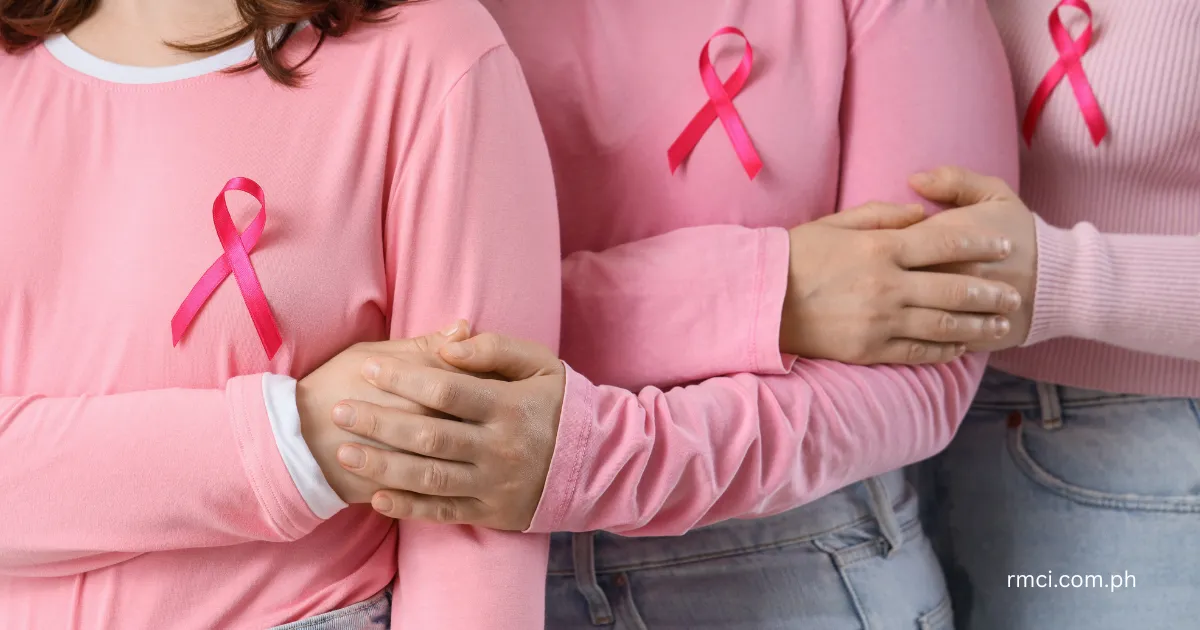
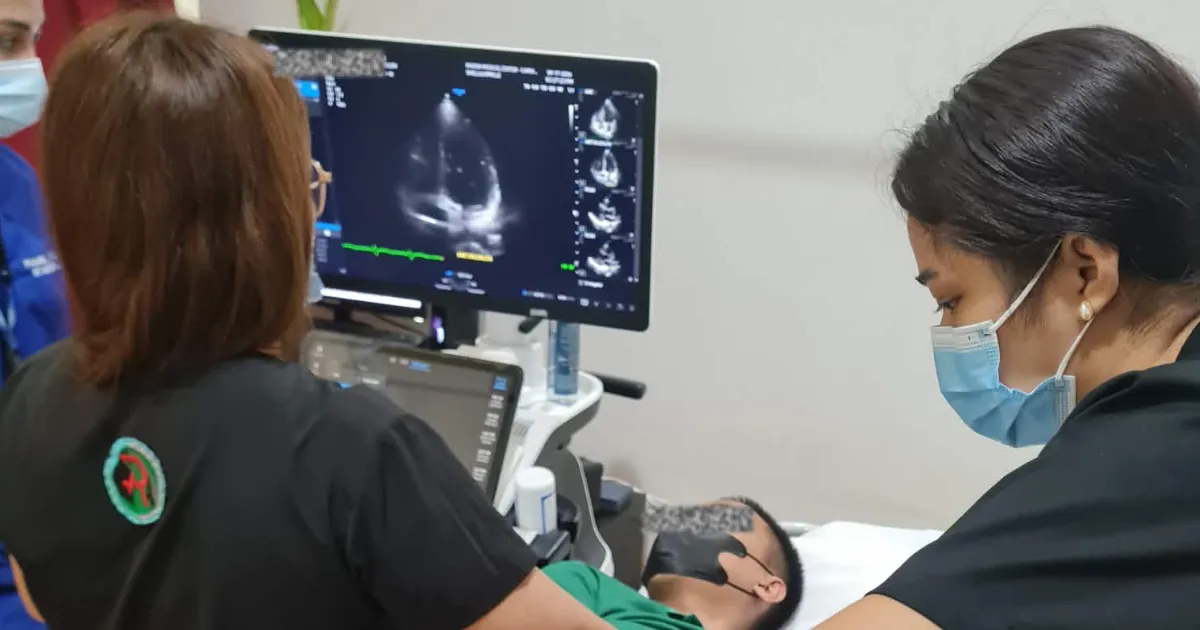
Cancer prevention in Davao del Norte is crucial in 2026. Cancer still remains one of the leading causes of illness and death in the Philippines, and its impact is strongly felt in Mindanao, including the Davao Region.
While cancer is often associated with genetics or unavoidable factors, a large number of cases are linked to lifestyle choices that can be changed.
Adopting healthier habits—together with regular, age-appropriate medical checkups—plays a critical role in preventing cancer, detecting it early, and improving survival and quality of life.
TL;DR
- Cancer remains a serious health concern in the Philippines, including the Davao Region, where many cases are still diagnosed at later stages. Local data highlight the need for stronger prevention and early detection efforts within the community.
- Healthy lifestyle choices play a major role in lowering cancer risk. Proper nutrition, maintaining a healthy weight, and staying physically active help protect the body from chronic inflammation and abnormal cell growth.
- Diet is a key factor in cancer prevention. Eating fruits, vegetables, whole grains, and fiber-rich foods supports immune health, while limiting processed foods and sugary drinks reduces cancer-related risks.
- Avoiding tobacco and limiting alcohol intake significantly reduces the risk of several cancers. Smoking and excessive alcohol consumption remain among the leading preventable causes of cancer-related illness and death.
- Regular medical checkups and age-appropriate cancer screening are essential because many cancers develop without early symptoms. Screening allows early detection, which leads to more effective treatment and better outcomes.
- Cancer prevention is most effective when healthy daily habits are combined with routine medical care. By choosing a healthier lifestyle and consulting doctors regularly, individuals can protect their long-term health and reduce cancer-related risks.
Cancer prevention in Davao del Norte: A growing concern
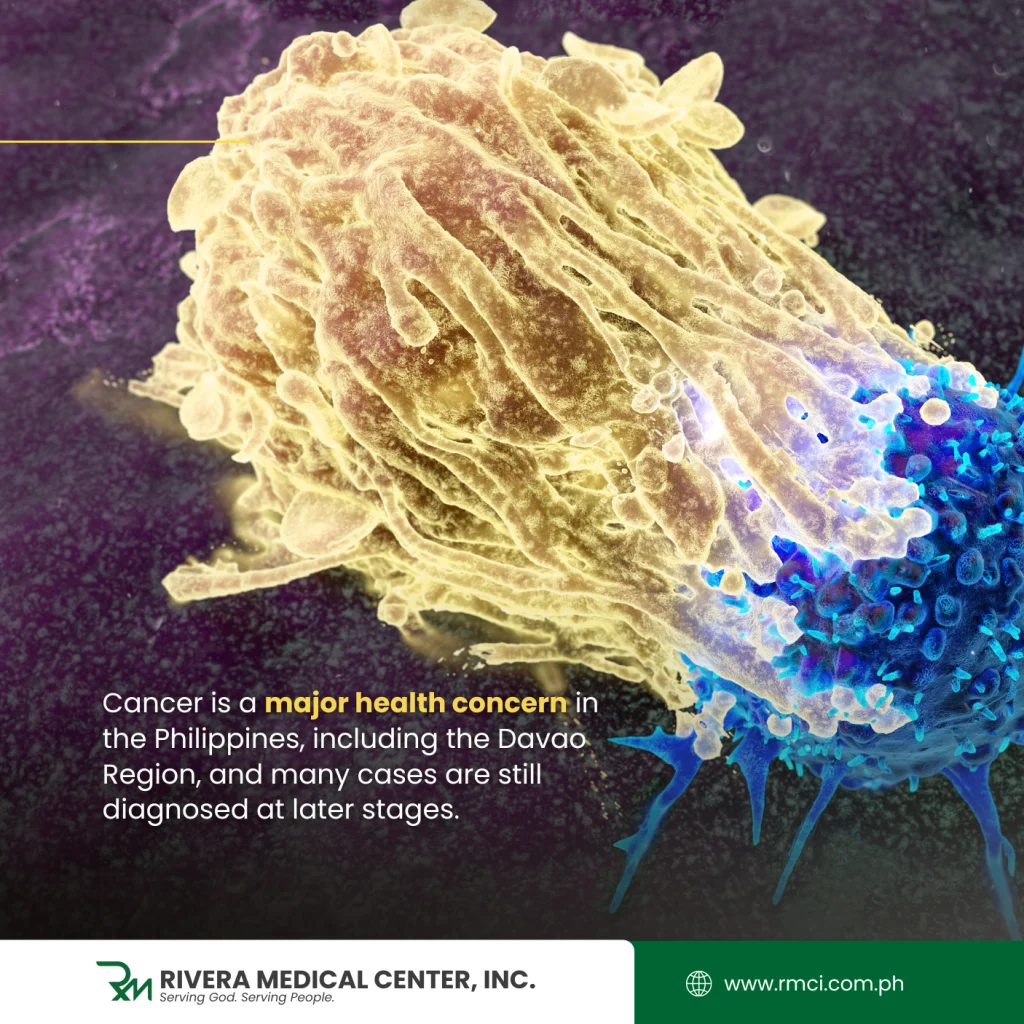
Cancer is not only a national issue but a serious regional concern. In Davao City, local health reports show the growing burden of cancer on families and communities.
In 2024 alone, 197 breast cancer–related deaths were recorded in Davao City, affecting mostly women but also a number of men . Reports further indicate that many cases are diagnosed at later stages, when treatment becomes more difficult and outcomes are poorer .
These figures highlight the urgent need for stronger cancer prevention strategies in the region—starting with healthier lifestyle choices and regular medical screening.
Understanding the Link Between Lifestyle and Cancer
Lifestyle factors such as smoking, excessive alcohol intake, unhealthy diet, physical inactivity, and obesity are known contributors to many common cancers, including those affecting the breast, liver, lungs, and colon.
Healthy lifestyle choices help regulate hormones, reduce chronic inflammation, strengthen immune defenses, and protect cells from damage. Over time, these effects significantly lower cancer risk and support overall health.
Nutrition: Its Role in Cancer Prevention in Davao del Norte
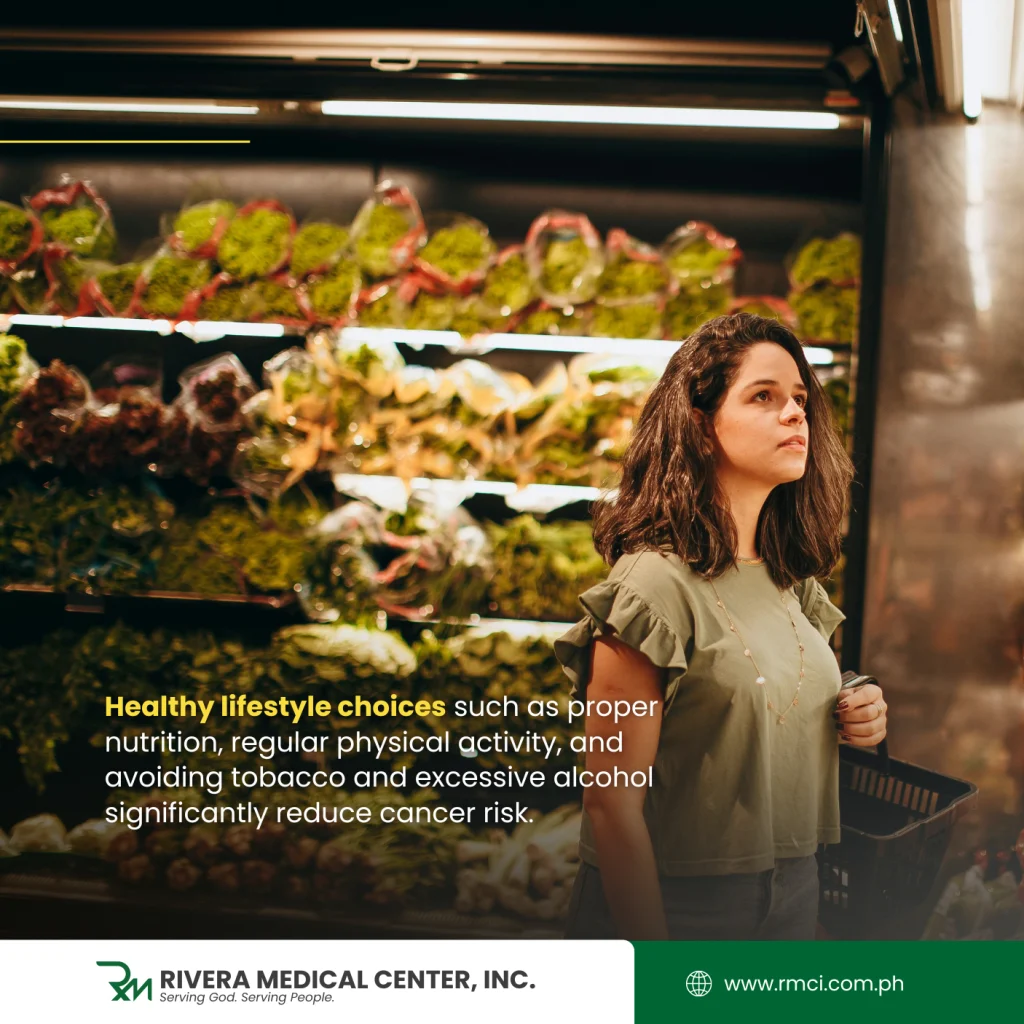
Diet plays a central role in cancer prevention. Eating fruits, vegetables, whole grains, and fiber-rich foods provides essential nutrients and antioxidants that help protect cells from damage.
These foods also support digestion, hormone balance, and immune function.
In contrast, diets high in processed foods, sugary drinks, and unhealthy fats are linked to increased cancer risk. Obesity—often driven by poor dietary habits—is a known risk factor for breast, colorectal, liver, and other cancers.
Choosing healthier food options daily is one of the most effective and accessible ways to reduce long-term cancer risk, especially in urban and semi-urban areas like Davao.
Physical Activity and Cancer Risk Reduction
Regular physical activity lowers the risk of several cancers by helping maintain a healthy weight, improving circulation, and reducing inflammation.
Exercise also regulates insulin and hormone levels, which are linked to cancer development.
Simple activities such as walking, cycling, household chores, or light exercise can already provide significant benefits when done consistently.
Encouraging an active lifestyle within families and communities is an important step toward cancer prevention.
Avoiding Tobacco and Limiting Alcohol
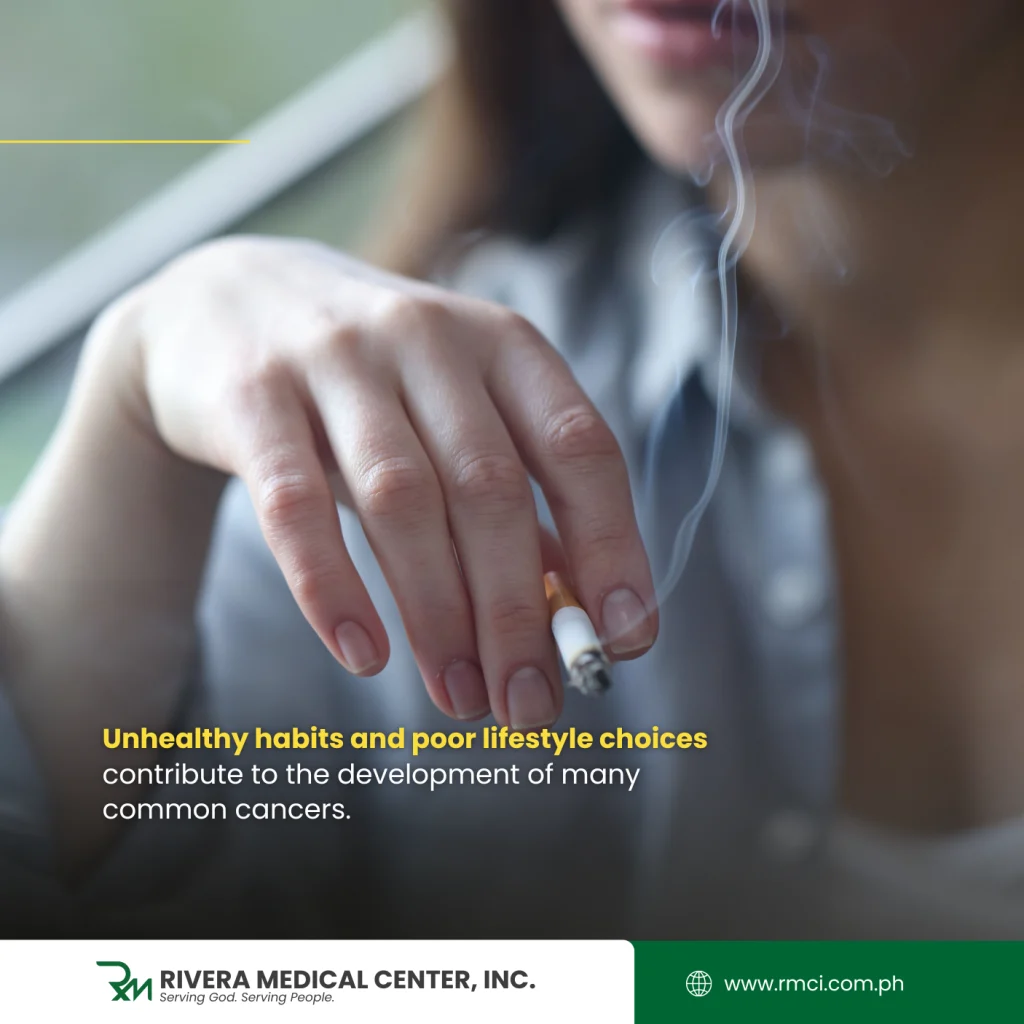
Tobacco use remains one of the leading causes of preventable cancer. Smoking is strongly associated with cancers of the lungs, mouth, throat, esophagus, and liver.
Avoiding tobacco—and exposure to secondhand smoke—dramatically reduces cancer risk.
Alcohol consumption is another important factor. Excessive drinking increases the risk of liver, breast, colon, and esophageal cancers.
Reducing or avoiding alcohol is a practical and effective preventive measure, especially in regions where liver disease and hepatitis are also prevalent.
The Importance of Regular Medical Checkups and Screening
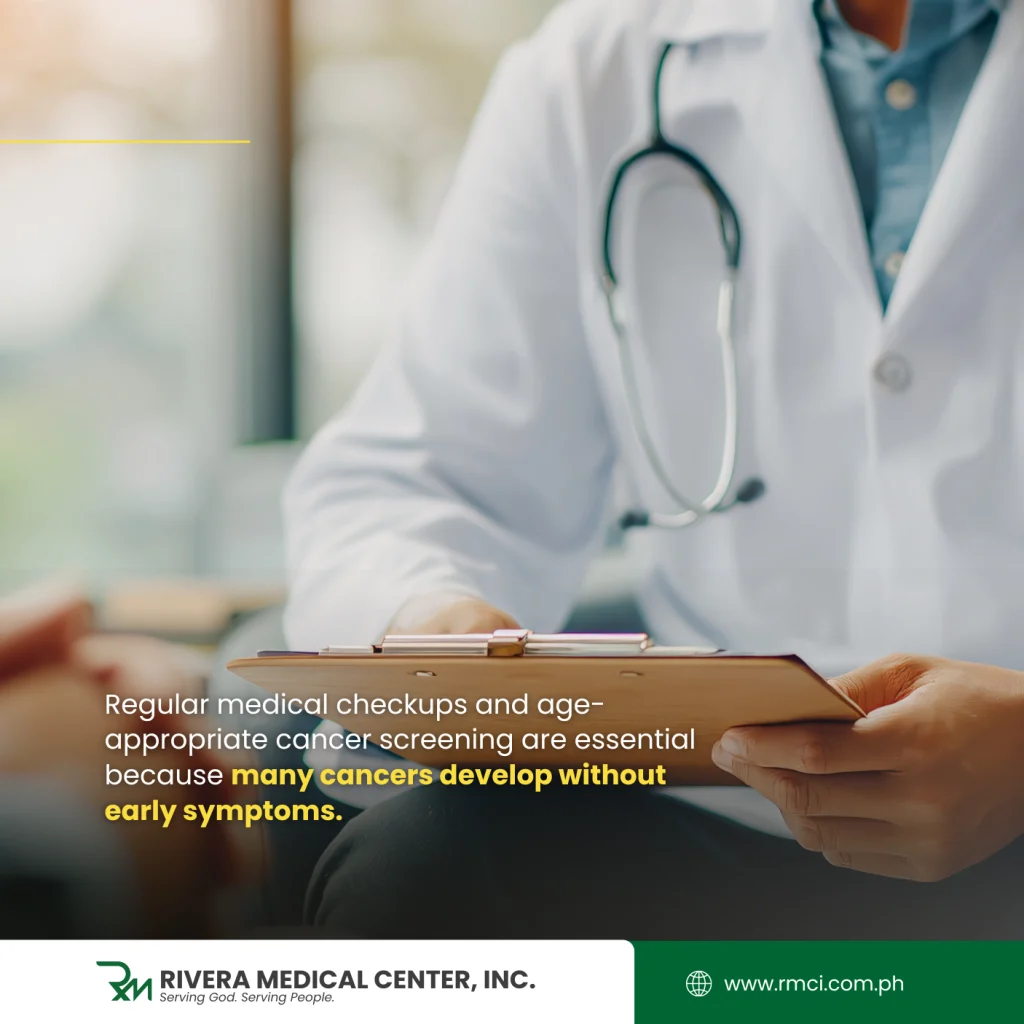
While healthy lifestyle choices significantly reduce cancer risk, they do not eliminate it entirely. This makes regular medical checkups and age-appropriate cancer screening essential.
Many cancers develop silently and show symptoms only at later stages. Communities still need education in cancer prevention in Davao del Norte, especially that late diagnosis has been identified as a major reason for high cancer mortality, including breast cancer cases reported in recent years.
Screening tests such as breast exams, mammography, Pap smears, colon screening, and liver evaluations help detect cancer early—often before symptoms appear.
Early detection allows timely treatment, improves survival rates, and reduces the physical, emotional, and financial burden on patients and families.
Age-Appropriate Screening Saves Lives
Cancer screening is most effective when done according to age and risk factors.
Women benefit from regular breast and cervical cancer screening, while colorectal cancer screening becomes increasingly important as people grow older.
Individuals with family history, chronic illness, or lifestyle risks may require earlier or more frequent screening.
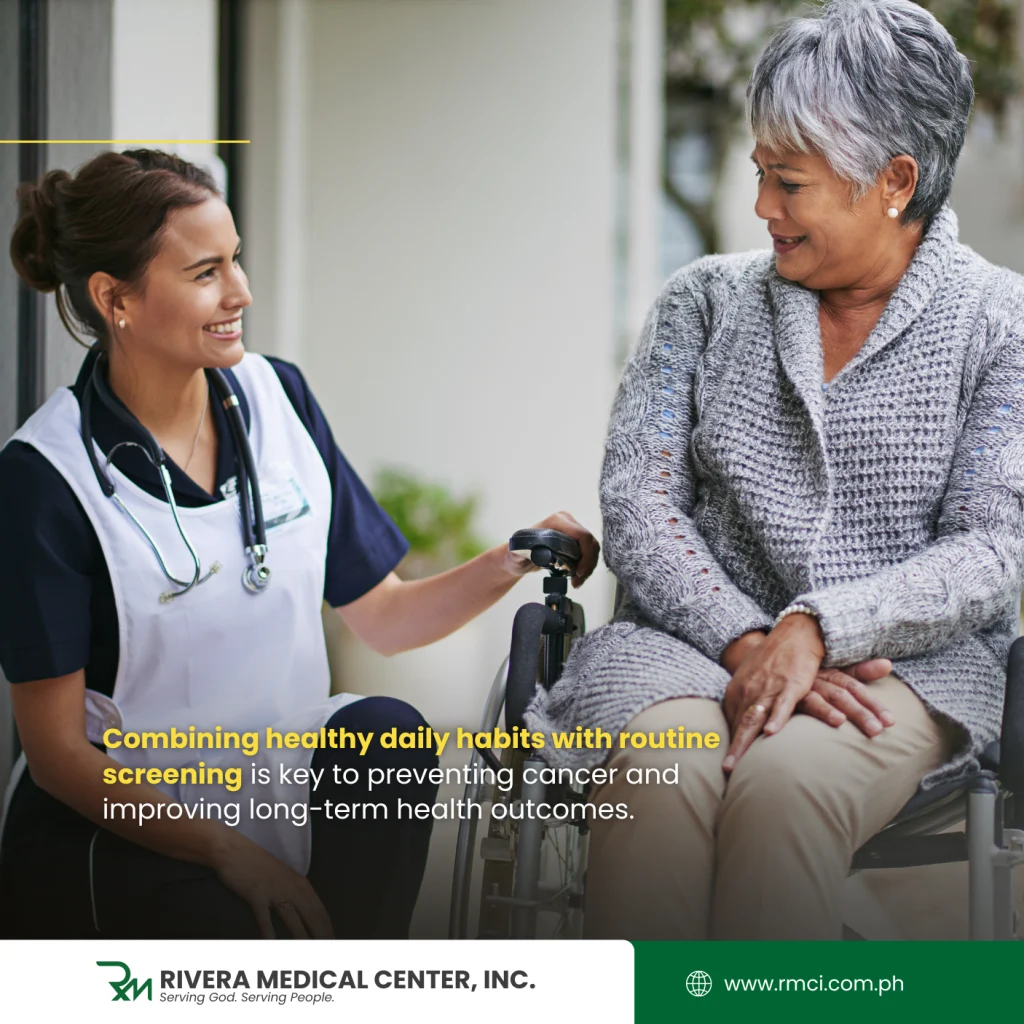
Health institutions and agencies such as the World Health Organization and the Department of Health emphasize that combining healthy living with routine screening is one of the most effective ways to reduce cancer deaths nationwide and at the regional level.
Building a Culture of Cancer Prevention in Davao del Norte
Cancer prevention in Davao del Norte is not about a single action but about building consistent habits over time.
Healthy eating, regular physical activity, avoiding harmful substances, managing stress, and attending routine medical checkups all work together to protect health.
For communities in the Davao Region, strengthening awareness and access to preventive care can help reduce late-stage diagnoses and save lives.
Prevention-centered health behavior also eases the strain on hospitals and improves overall community well-being.
Conclusion
Healthy lifestyle choices play a powerful role in cancer prevention in Davao del Norte. Proper nutrition, physical activity, avoidance of tobacco and excessive alcohol, and stress management help lower cancer risk and support long-term health.
However, these choices must be paired with regular medical checkups and age-appropriate cancer screening to ensure early detection and better outcomes.
With cancer cases and deaths continuing to affect families in the Davao del Norte, prevention and early detection are more important than ever.
By making informed lifestyle choices and seeking routine medical care, individuals take meaningful steps toward protecting their health, supporting their loved ones, and building a healthier future for their community.
References
-
Department of Health (Philippines). (2014). Manual of operations for the Philippine Package of Essential Noncommunicable Disease Interventions (PhilPEN). https://caro.doh.gov.ph/wp-content/uploads/2014/09/cancer.pdf
-
Department of Health (Philippines). (2023). National cancer prevention and control program. https://doh.gov.ph
-
SunStar Davao. (2024). Davao City logs 197 breast cancer deaths in 2024. https://www.sunstar.com.ph/davao/davao-city-logs-197-breast-cancer-deaths-in-2024
-
World Health Organization. (2023). Cancer prevention. https://www.who.int/activities/preventing-cancer
-
World Health Organization. (2023). Cancer fact sheets. https://www.who.int/news-room/fact-sheets/detail/cancer