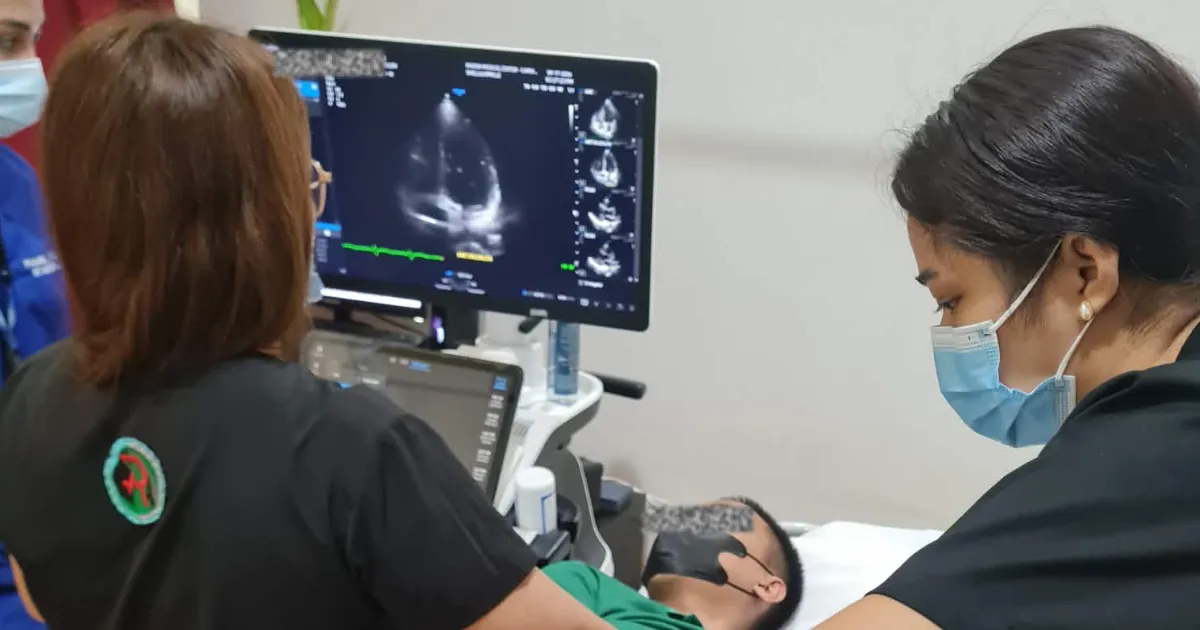
The Philippines faces significant health challenges. Specifically, non-communicable diseases are responsible for a large portion of deaths. As of June 30, 2025 non-communicable diseases accounting for a large portion of deaths nationwide. According to the latest data from the Philippine Statistics Authority (PSA) and the World Health Organization (WHO), the top five leading causes of death in the country as of June 30, 2025 are:
- Ischemic heart disease
- Neoplastic diseases (cancers)
- Cerebrovascular diseases (strokes)
- Pneumonia
- Diabetes mellitus
Understanding these conditions is crucial for residents in Panabo City and elsewhere in Davao to take steps toward prevention, early detection, and healthier living.
What are the top 5 leading causes of death in the Philippines?
1. Ischemic Heart Disease: The Silent Killer
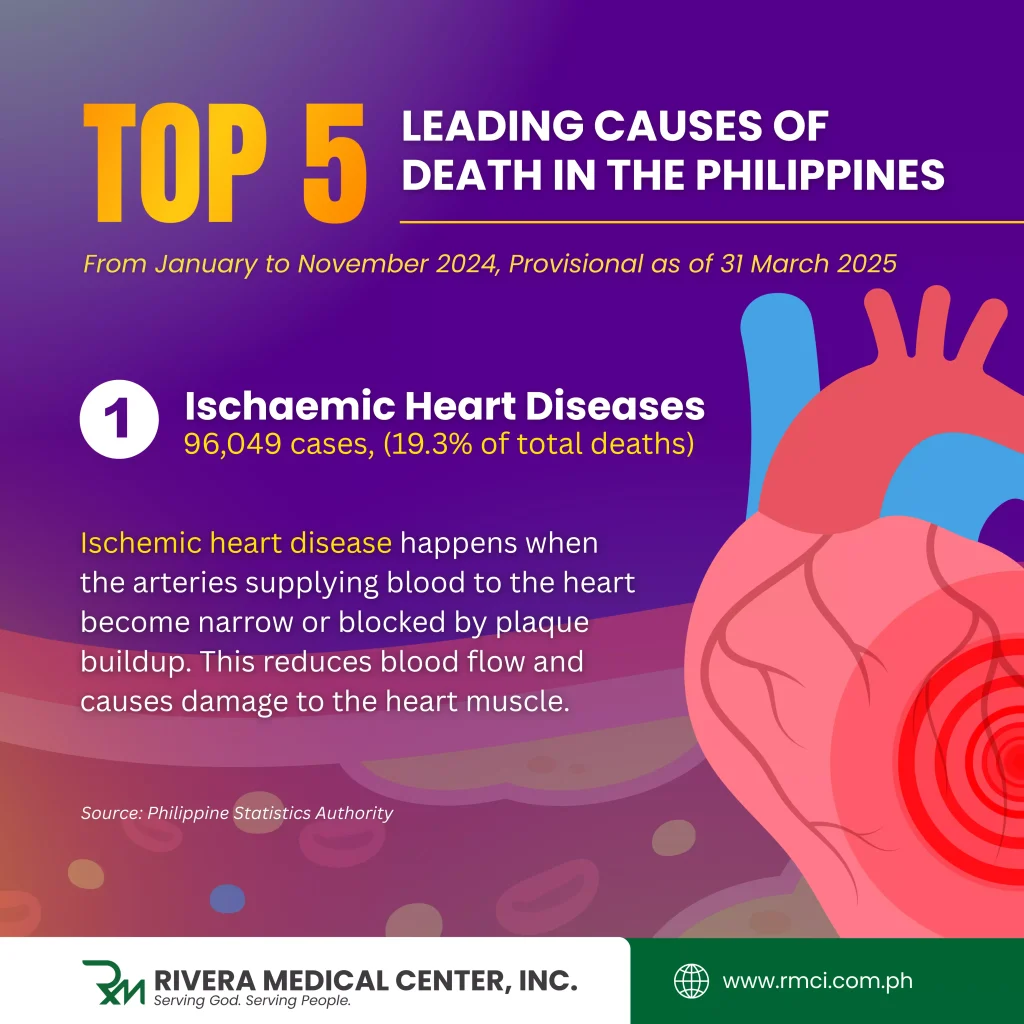
Ischemic heart disease, also known as coronary artery disease, is the leading cause of death in the Philippines. It occurs when the arteries that supply blood to the heart become narrowed or blocked.
This narrowing is usually caused by the buildup of plaque, a sticky substance made of cholesterol and other materials, in the heart’s arteries.
When blood flow to the heart muscle is reduced, the heart does not get enough oxygen and nutrients, which can cause chest pain (angina) and, in severe cases, heart attacks.
In 2024, ischemic heart disease caused approximately 60,000 deaths, nearly 20% of all fatalities in the country. By March 31, 2025, the number of cases rose to 96,049 and represented approximately 19.3% of total deaths in the Philippines.
What is alarming is that heart disease is affecting younger Filipinos. In Davao and Panabo City, our cardiologists at Rivera Medical Center have encountered some patients as young as their 20s and 30s. Health experts attribute this trend to unhealthy lifestyles, including diets high in saturated fats and cholesterol, lack of physical activity, smoking, the presence of toxic materials in the body, and the rising prevalence of diabetes.
The typical Filipino diet, for example, which often includes high consumption of processed meats and alcoholic beverage, contributes a lot to the risk of ischemic heart diseases. While there is a growing interest in plant-based foods and healthier alternatives, which could help reduce the burden of heart disease in the future, healthy living also requires regular physical activity which, unfortunately, is not carried by those whose work or home living are sedentary.
2. Neoplastic Diseases: Tumors and Cancer

Neoplastic diseases refer to conditions where abnormal tissue growths, called neoplasms or tumors, develop in the body. These tumors can be benign (non-cancerous) or malignant (cancerous). Cancer is a major health problem in the Philippines and ranks as the second leading cause of death.
In 2024, neoplastic diseases caused over 38,000 deaths. By March 31, 2025, the PSA says that the number of neoplastic cases leading to death rose to 55,105 or 11.1% of total deaths.
Cancer develops when cells grow uncontrollably and do not die when they should. Malignant tumors can invade nearby tissues and spread to other parts of the body, making cancer difficult to treat if not caught early.
Common types of cancer in the Philippines include lung, breast, liver, and colorectal cancers. Risk factors among Filipinos that contribute to cancers include smoking, exposure to harmful chemicals, toxic metals in the body, infections like hepatitis and human papillomavirus (HPV), and lifestyle factors such as poor diet and lack of exercise.
Early detection through screenings and awareness of symptoms can improve survival rates. In Davao and Panabo City, the local government works with Rivera Medical Center and other health organization to promote cancer education and access to treatment.
3. Cerebrovascular Diseases: Stroke and Blood Flow to the Brain

Cerebrovascular diseases, which include strokes, are the third leading cause of death in the Philippines. These conditions happen when the blood flow to the brain is blocked or reduced, causing brain cells to die from lack of oxygen and nutrients.
Strokes can be caused by blood clots, narrowed arteries, or bleeding in the brain. Symptoms include sudden weakness, difficulty speaking, vision problems, and severe headaches. In 2024, cerebrovascular diseases caused about 34,000 deaths in the country. But on March 31, 2025 the number of cases tallied were at 49,349 cases, or 9.9% of total deaths.
High blood pressure (hypertension) is the leading risk factor for strokes. Other causes include diabetes, smoking, and unhealthy diets. Many Filipinos suffer from hypertension but remain undiagnosed or untreated, increasing their risk.
Preventing strokes involves managing blood pressure, eating a balanced diet, exercising regularly, and avoiding tobacco use. Quick medical attention during a stroke can also save lives and reduce disability.
4. Pneumonia: A Dangerous Lung Infection
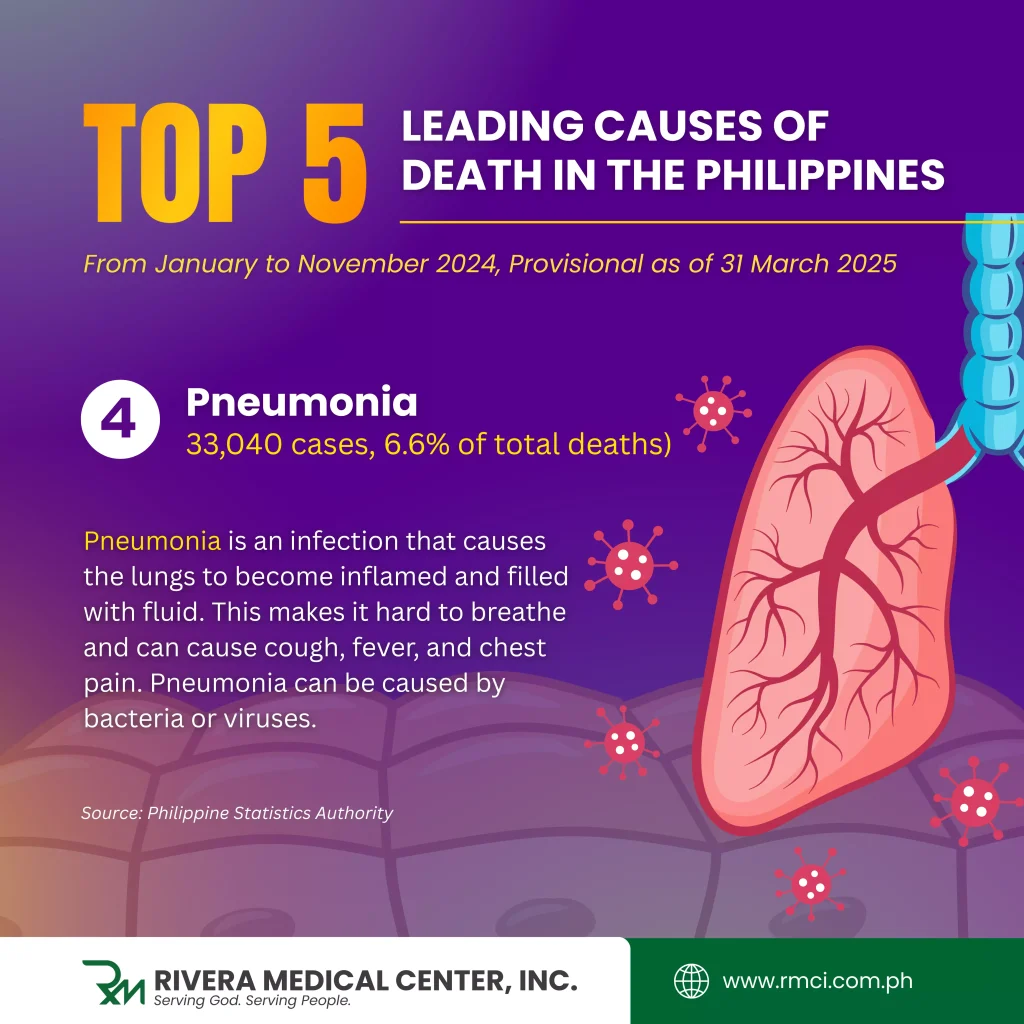
Pneumonia is an infection that inflames the lungs and fills them with fluid, making it hard to breathe. It can be caused by bacteria, viruses, or fungi. Pneumonia is especially dangerous for young children, the elderly, and people with weakened immune systems.
In 2024, pneumonia was the fourth leading cause of death in the Philippines, causing over 22,000 fatalities. By March 31, 2025, the number of deaths by pneumonia across the country was at 33,040, or 6.6% of total deaths.
Pneumonia cannot be taken for granted. If you experience symptoms like cough, fever, chest pain, and difficulty breathing, it is best to consult with your physician as soon as possible.
Pneumonia spreads through coughing, sneezing, or close contact with infected people. Healthy living and clean environments can protect against some types of pneumonia, and early treatment with antibiotics or antiviral medicines can save lives.
Improving hygiene, reducing air pollution, and ensuring good nutrition are important steps to prevent pneumonia, especially in vulnerable communities.
5. Diabetes Mellitus: High Blood Sugar and Its Effects
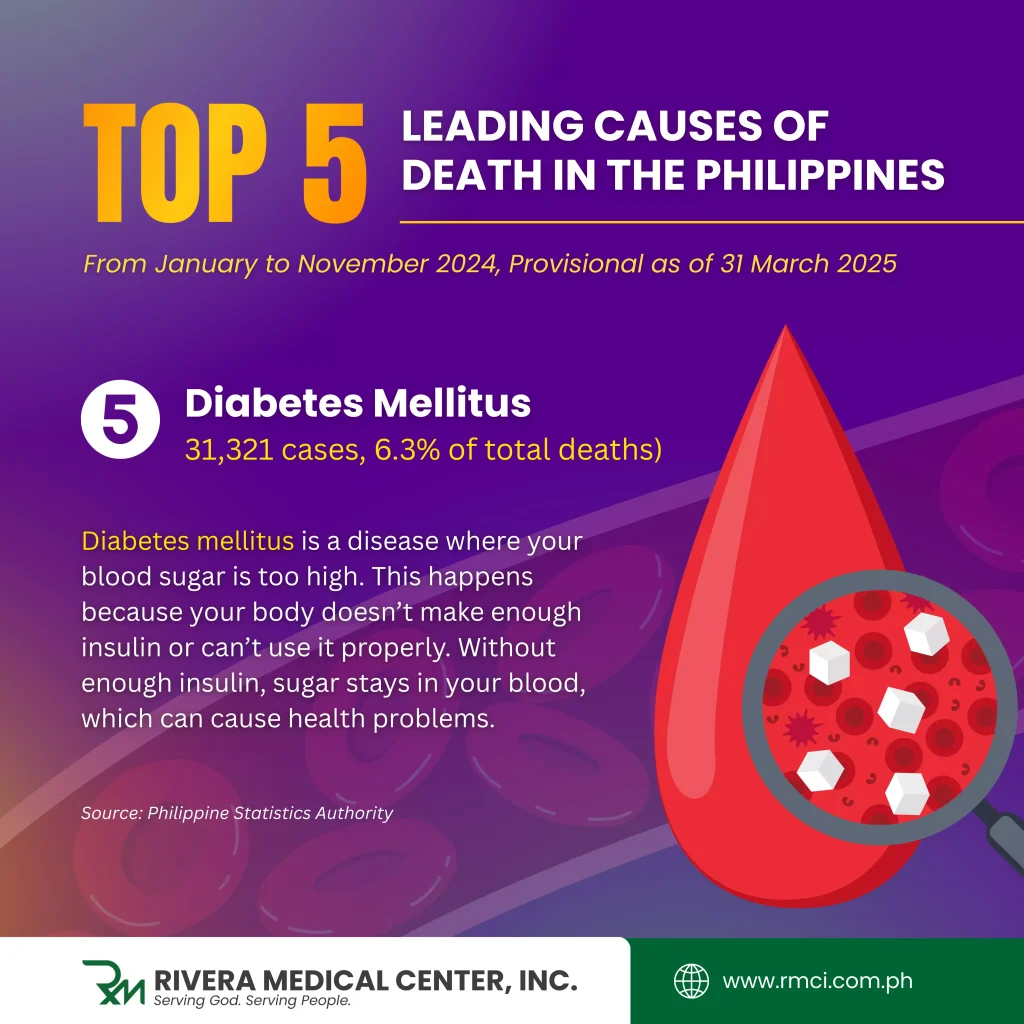
Diabetes mellitus is a chronic disease where the body cannot properly regulate blood sugar levels. This happens because the body either does not produce enough insulin or cannot use insulin effectively. Insulin is a hormone that helps sugar from food enter the body’s cells to provide energy.
When blood sugar remains too high, it can damage organs and lead to serious health problems, including heart disease, kidney failure, nerve damage, and vision loss.
In the Philippines, diabetes was the fifth leading cause of death in 2024, causing over 21,000 deaths. By 31 March 2025, there were around 31,321 cases of deaths by diabetes mellitus. Even in Davao and Panabo City the disease is becoming more common due to unhealthy diets, sedentary lifestyles, and increasing obesity rates.
Managing diabetes requires healthy eating, regular exercise, monitoring blood sugar levels, and sometimes medication or insulin therapy. Education and early diagnosis are key to preventing complications.
What these Diseases Mean for Davao and Panabo City
The top five causes of death in the Philippines reflect a growing burden of non-communicable diseases (NCDs). These diseases are often linked to lifestyle factors such as diet, physical inactivity, smoking, and alcohol use. They also highlight the need for better healthcare access, early diagnosis, and public health education.
The provincial and local government, along with health organizations like Rivera Medical Center, need to educate Filipinos to adopt healthier lifestyles to prevent these diseases. This includes eating more fruits and vegetables, reducing meat and processed food consumption, exercising regularly, avoiding tobacco, and managing stress.
Addressing these health challenges is essential to improving life expectancy and quality of life for residents in Panabo City and Davao region.
Conclusion
Ischemic heart disease, neoplastic diseases, cerebrovascular diseases, pneumonia, and diabetes mellitus are the top five leading causes of death in the Philippines as of March 31, in 2025. Each condition affects thousands of Filipinos every year and poses serious health risks.
By understanding these diseases and their causes, Filipinos in Davao and Panabo City can take steps to protect their health. Early consultation can also help Filipinos with lifestyle changes, access to early medical care, and increased awareness are vital to reducing the impact of these illnesses.
Improving health outcomes in the Philippines will require ongoing efforts from everyone—from government programs to hospitals like Rivera Medical Center, and individual choices—so that more residents in Panabo City and Davao region can live longer, healthier lives.
Sources: Philippine Statistics Authority (PSA), World Health Organization (WHO), Philippine Department of Health (DOH), National Institutes of Health (NIH)