RMCI Strengthens Cardiovascular Care in Davao del Norte
PANABO CITY, Davao del Norte — Rivera Medical Center’s Heart Institute, or the Rivera Heart Institute, spearheads cardiovascular care in Davao del Norte through timely medical intervention, accessible treatment, and stronger hospital referral networks. At the same time, the Panabo City government explores additional financial assistance for patients requiring specialized heart procedures.
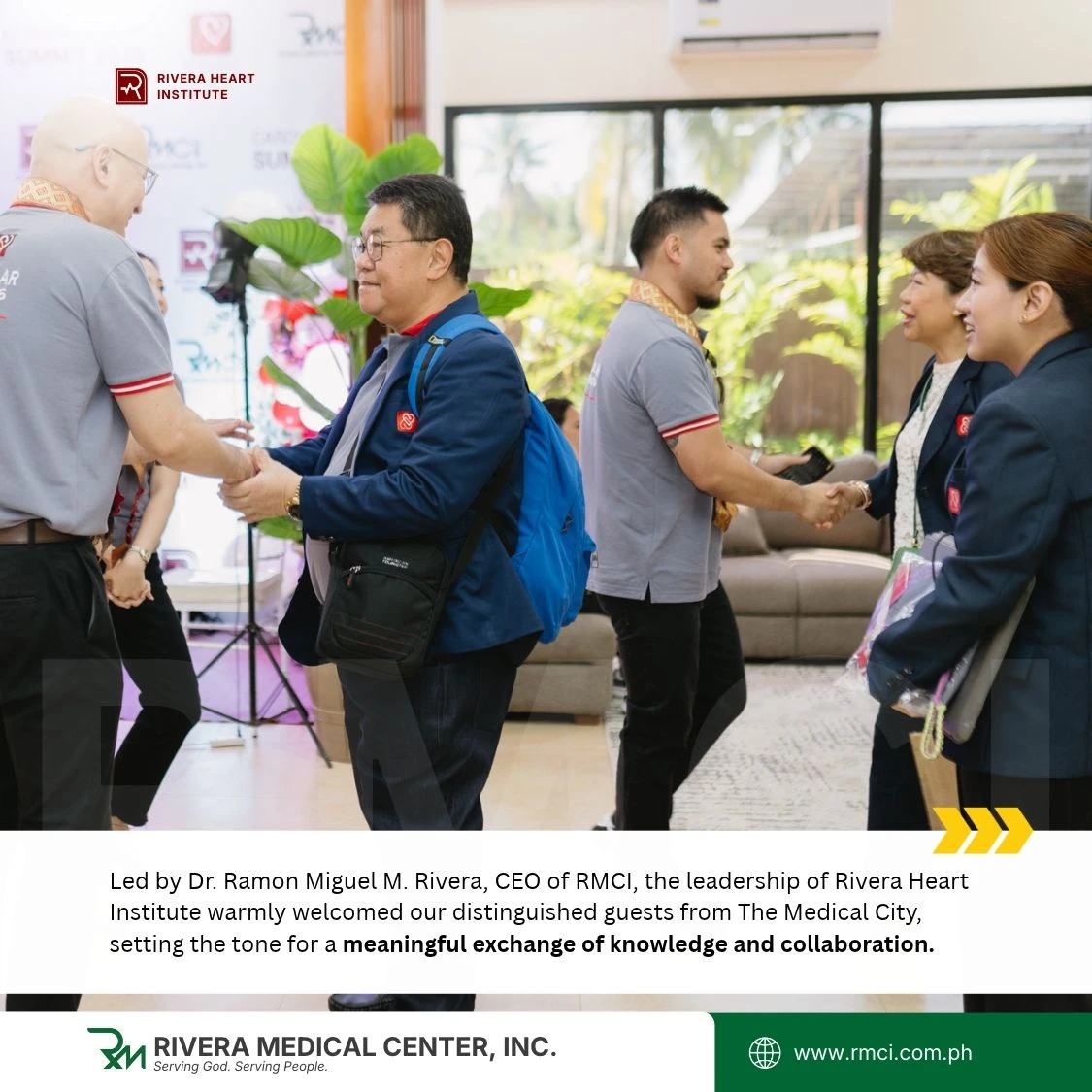
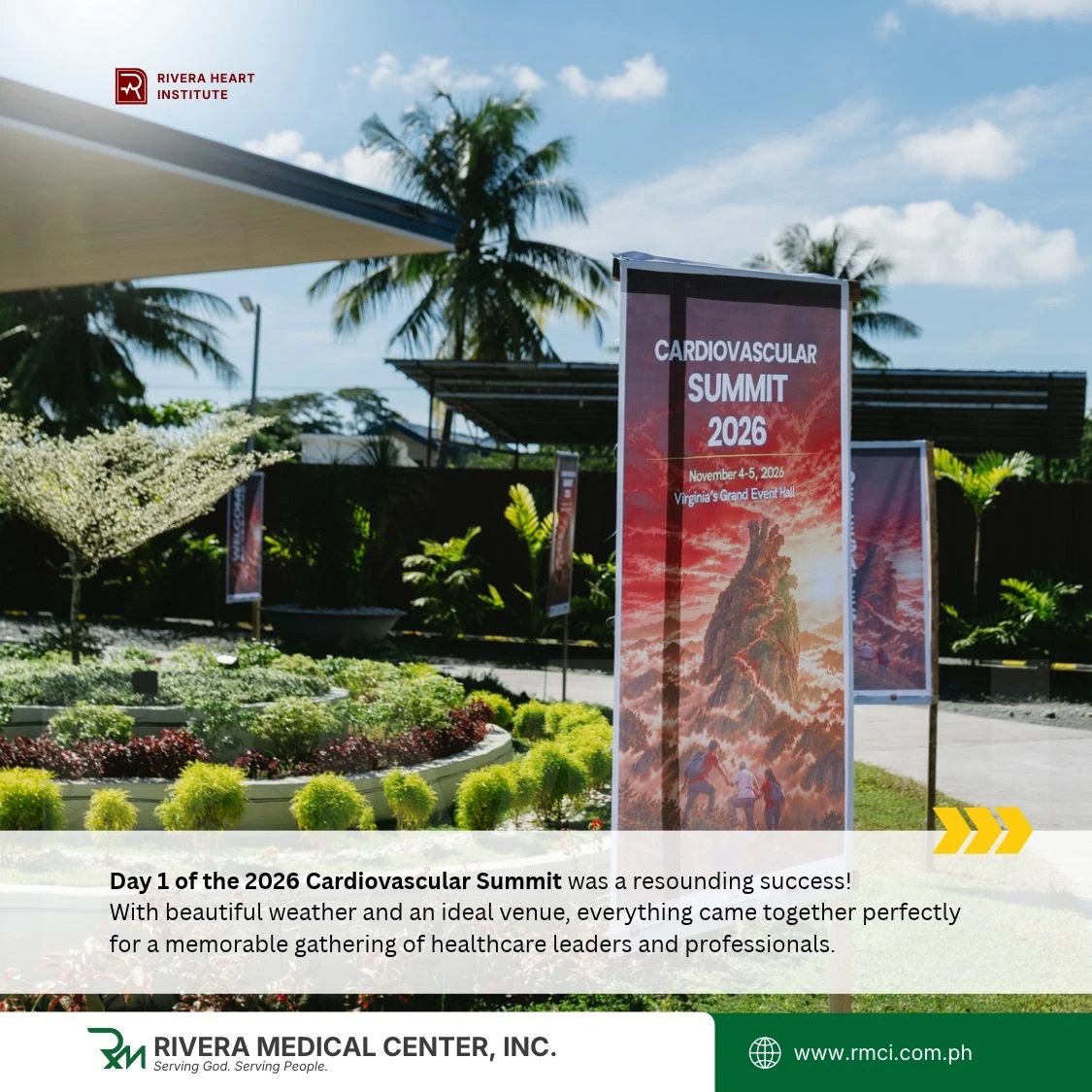
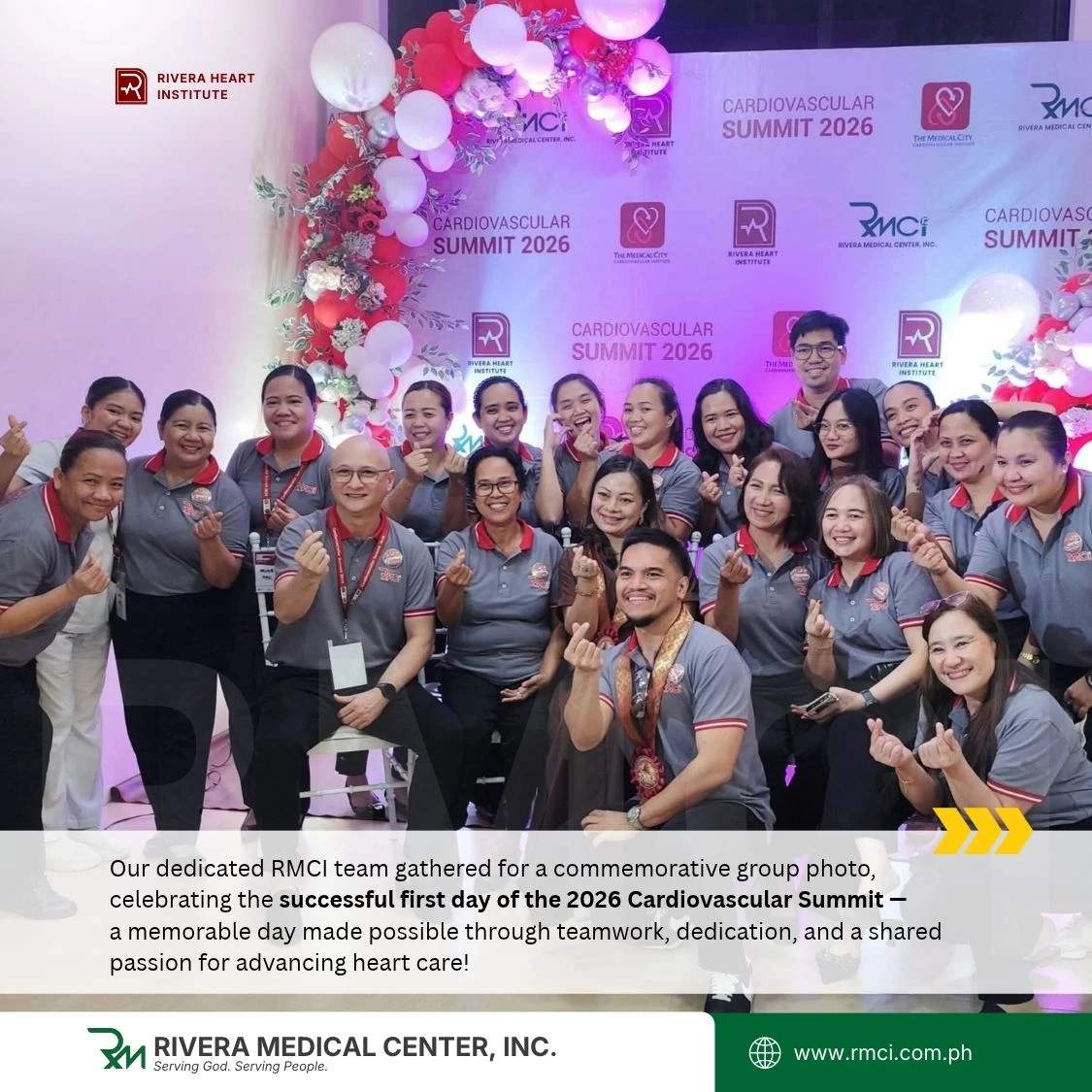
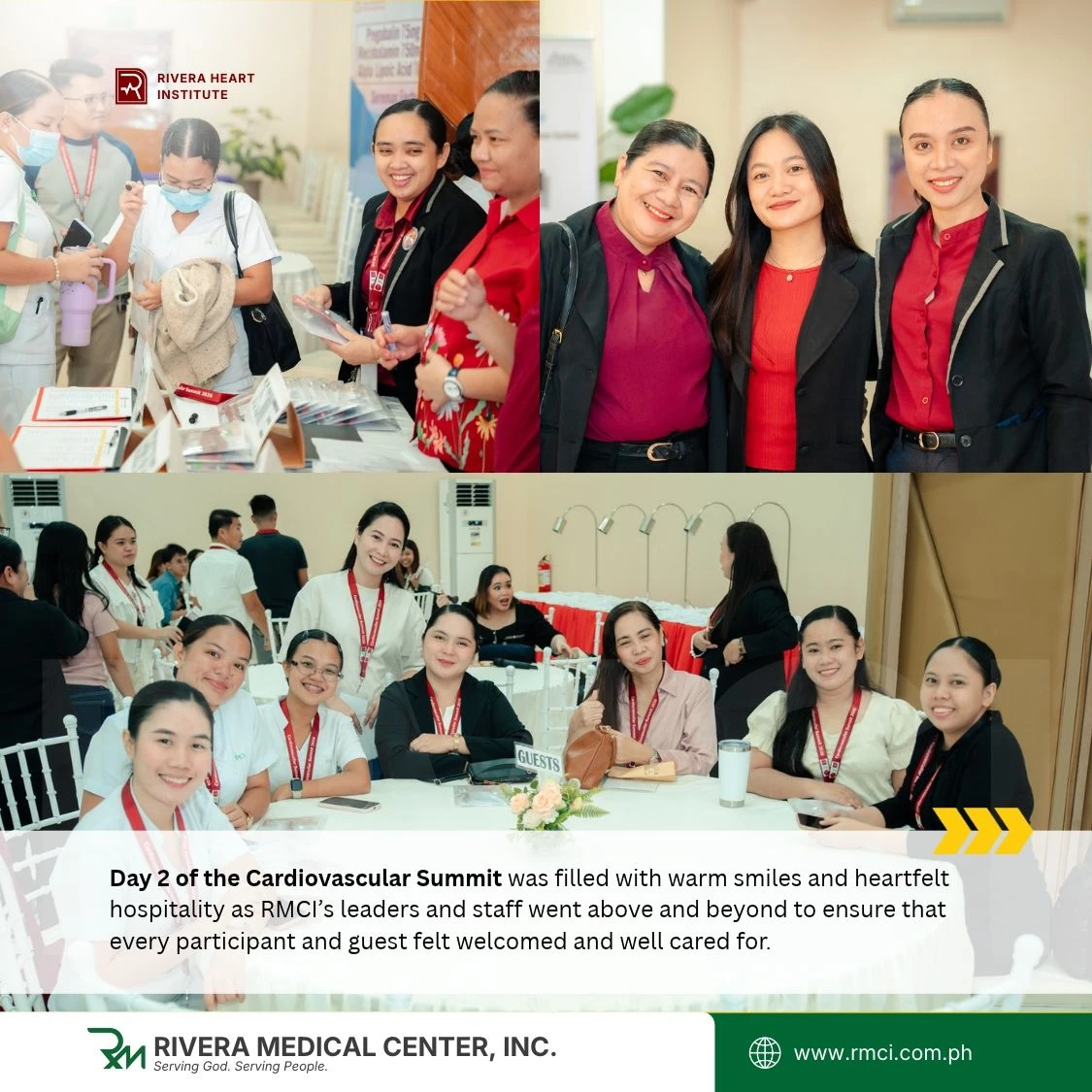
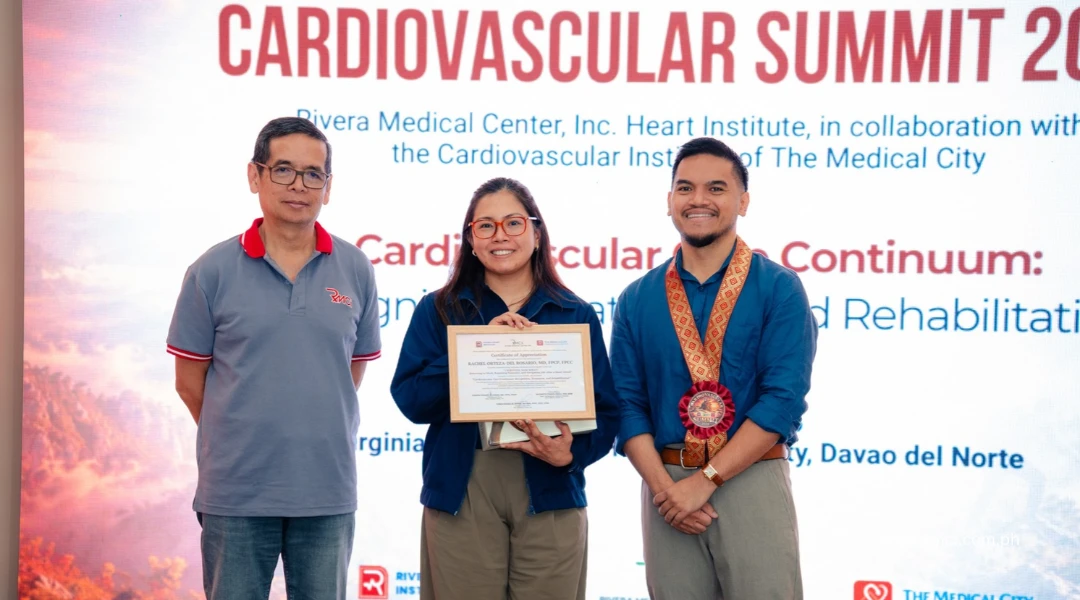
These initiatives took center stage during the Cardiovascular Summit 2026, held on November 4–5 at Virginia’s Grand Event Hall in Panabo City. Organized by RMCI’s Heart Institute, in collaboration with the Cardiovascular Institute of The Medical City, the two-day gathering brought together cardiovascular specialists, healthcare professionals, hospital administrators, emergency responders, government representatives, and community stakeholders to address the challenges of cardiovascular care in the region.
Carrying the theme “Cardiovascular Care Continuum: Recognition, Treatment, and Rehabilitation,” the summit emphasized the importance of early recognition of cardiac emergencies, immediate medical intervention, affordable treatment, and coordinated healthcare services in improving patient outcomes.
Reducing Heart Attack Deaths Through Timely Intervention
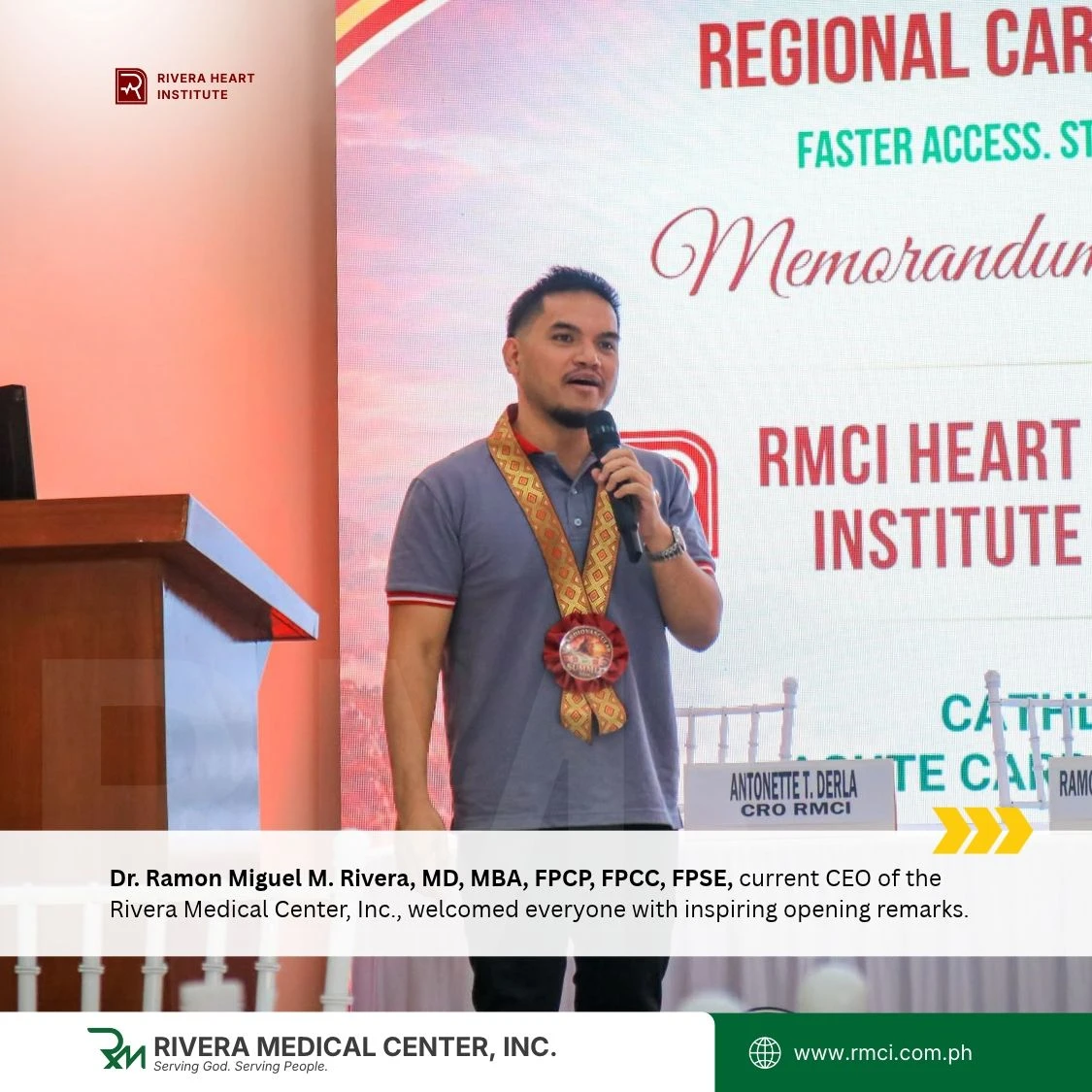
RMCI’s Chief Executive Officer Ramon Miguel M. Rivera, MD-MBA, FPCP, FPCC, FPSE, reported a significant improvement in the hospital’s management of ischemic heart disease, revealing that its associated mortality rate had declined from approximately 28 to 31 percent to 12 percent over the past three and a half years.
Dr. Rivera attributed the improvement to the establishment of RMCI’s cardiac catheterization laboratory (CathLab) and the implementation of emergency treatment systems that allow healthcare professionals to provide more timely cardiovascular interventions.
“We were successful in reducing the rate of deaths by ischemic heart disease from 28 to 31 percent down to 12 percent because of the cath lab and the systems.”
Despite this progress, Dr. Rivera acknowledged that the reported mortality rate remains high compared with international benchmarks, underscoring the need to further improve emergency response systems and reduce treatment delays.
One of the major challenges, he explained, is that patients experiencing heart attacks often pass through several healthcare facilities before reaching a hospital equipped to perform specialized cardiac procedures.
Some patients arrive at RMCI only after visiting their third, fourth, or even fifth hospital, sometimes because they are unaware that advanced cardiovascular services are already available in Panabo City.
Such delays can significantly affect a patient’s chances of survival, resulting in more severe complications, longer hospitalization, and greater treatment expenses.
“We want to raise awareness that we are capable of doing this already,” Dr. Rivera said, with the plan to extend this awareness beyond Panabo City, particularly to surrounding communities in Davao del Norte and other areas of Mindanao where access to specialized cardiac care remains limited.
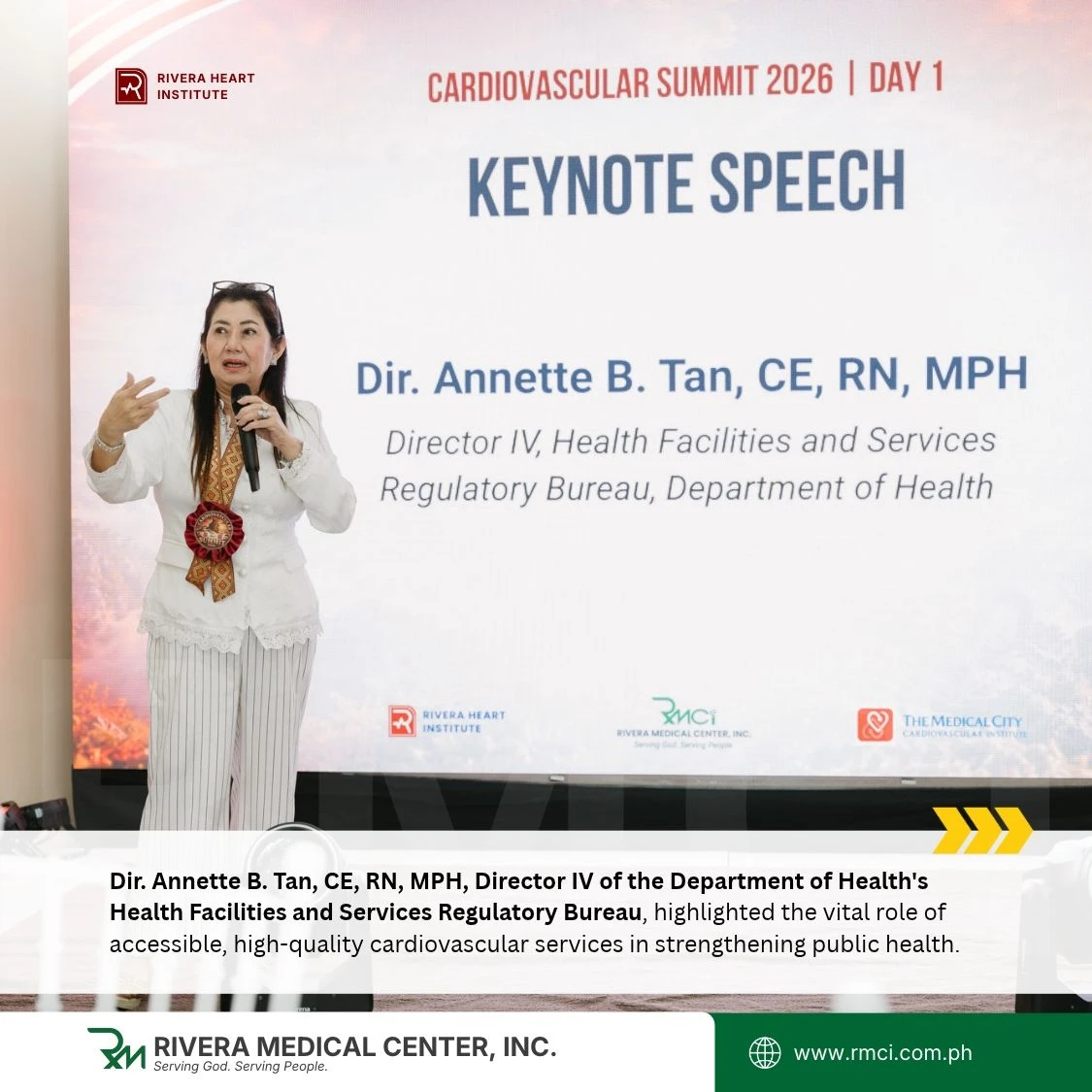
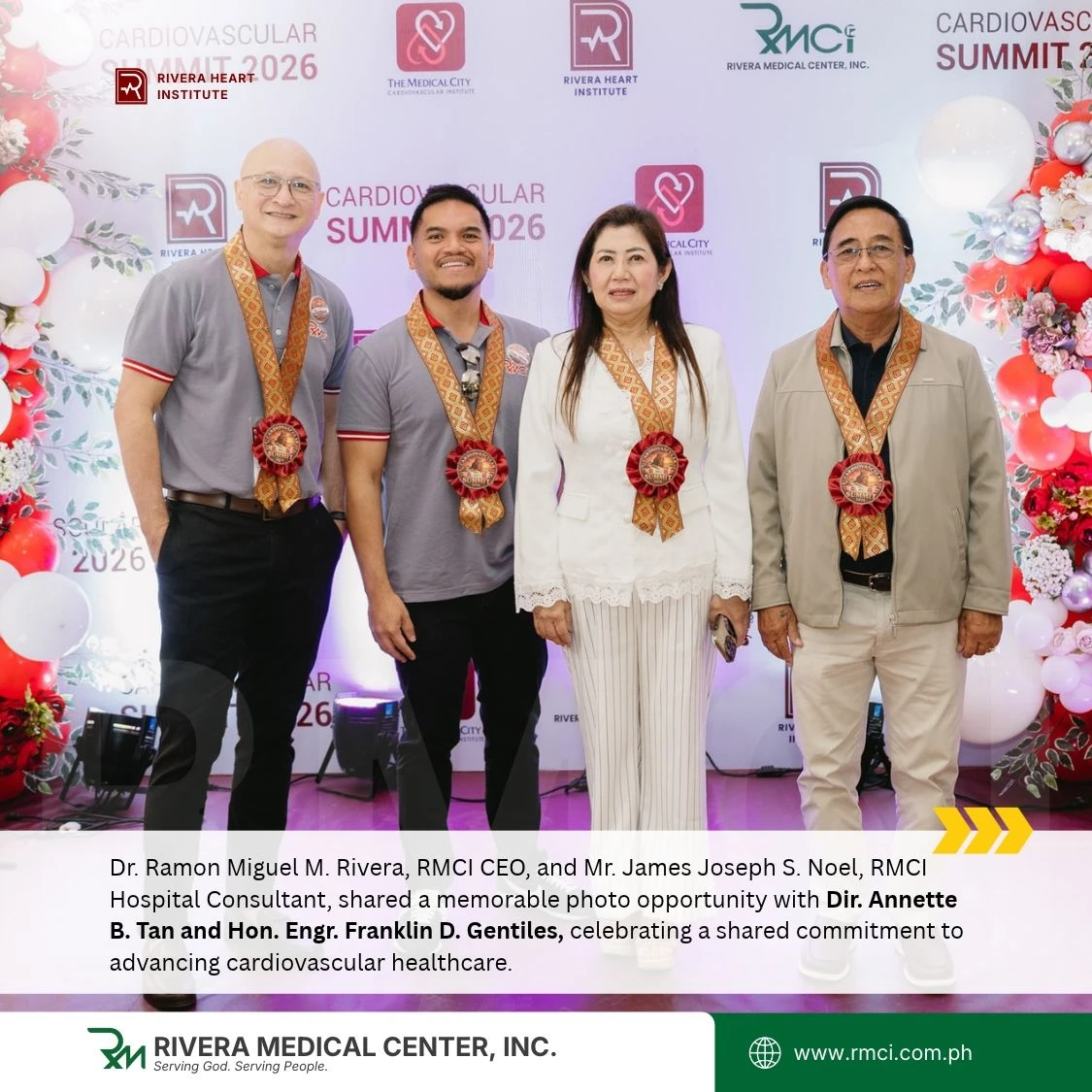
The Summit’s special participants and lecturers provided valuable encouragement and insight into cardiovascular care. Director Annette B. Tan, CE, RN, MPH, the current Director IV, Health Facilities and Services Regulatory Bureau, Department of Health, was also present for a keynote speech to inspire all participants on the value of improving cardiovascular care and collaboration in Davao del Norte.
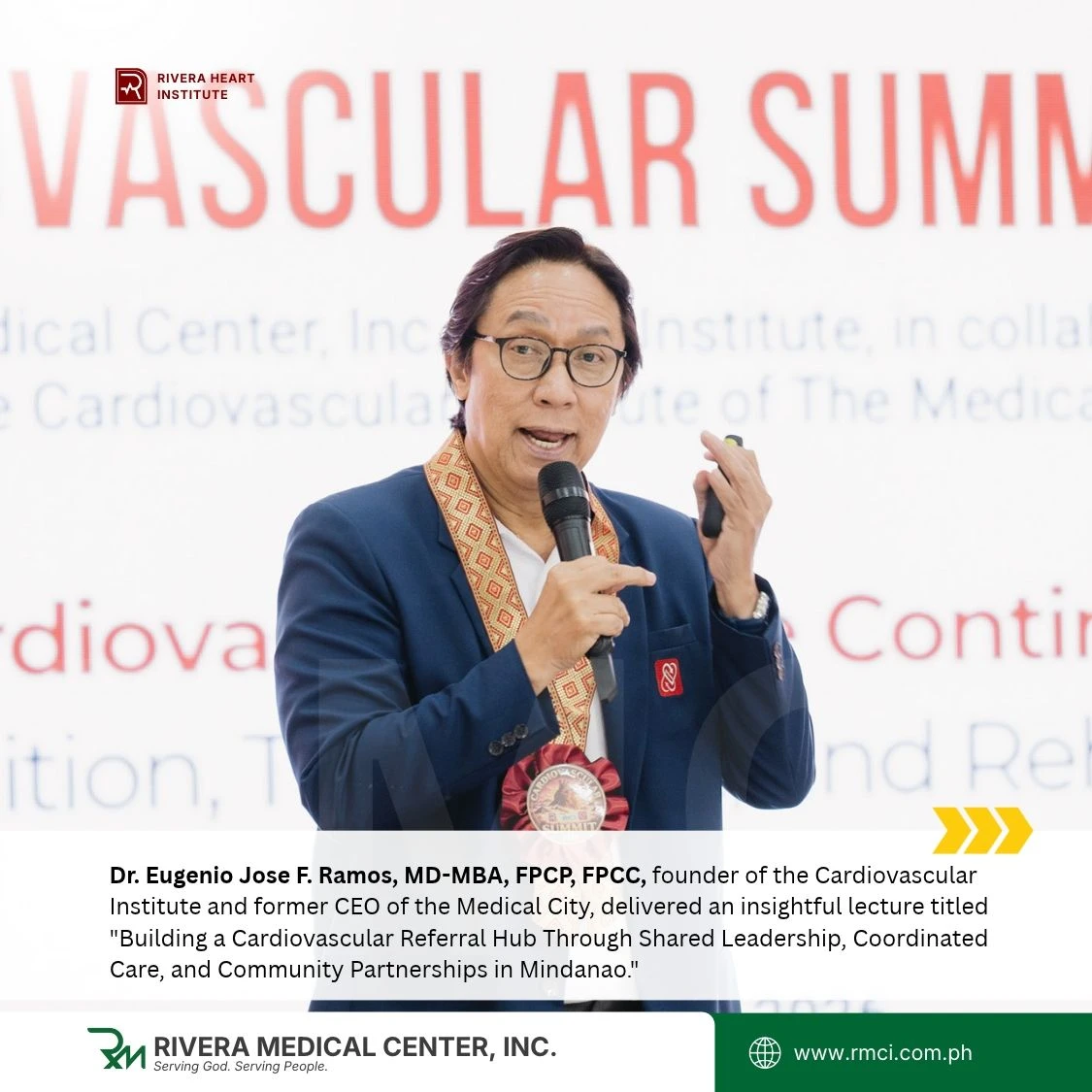
Dr. Eugenio Jose F. Ramos, MD-MBA, FPCP, FPCC, the founder of the Cardiovascular Institute and former CEO of the Medical City gave an insightful lecture on building a cardiovascular referral hub in Mindanao through shared leadership, coordinated care, and community partnerships.
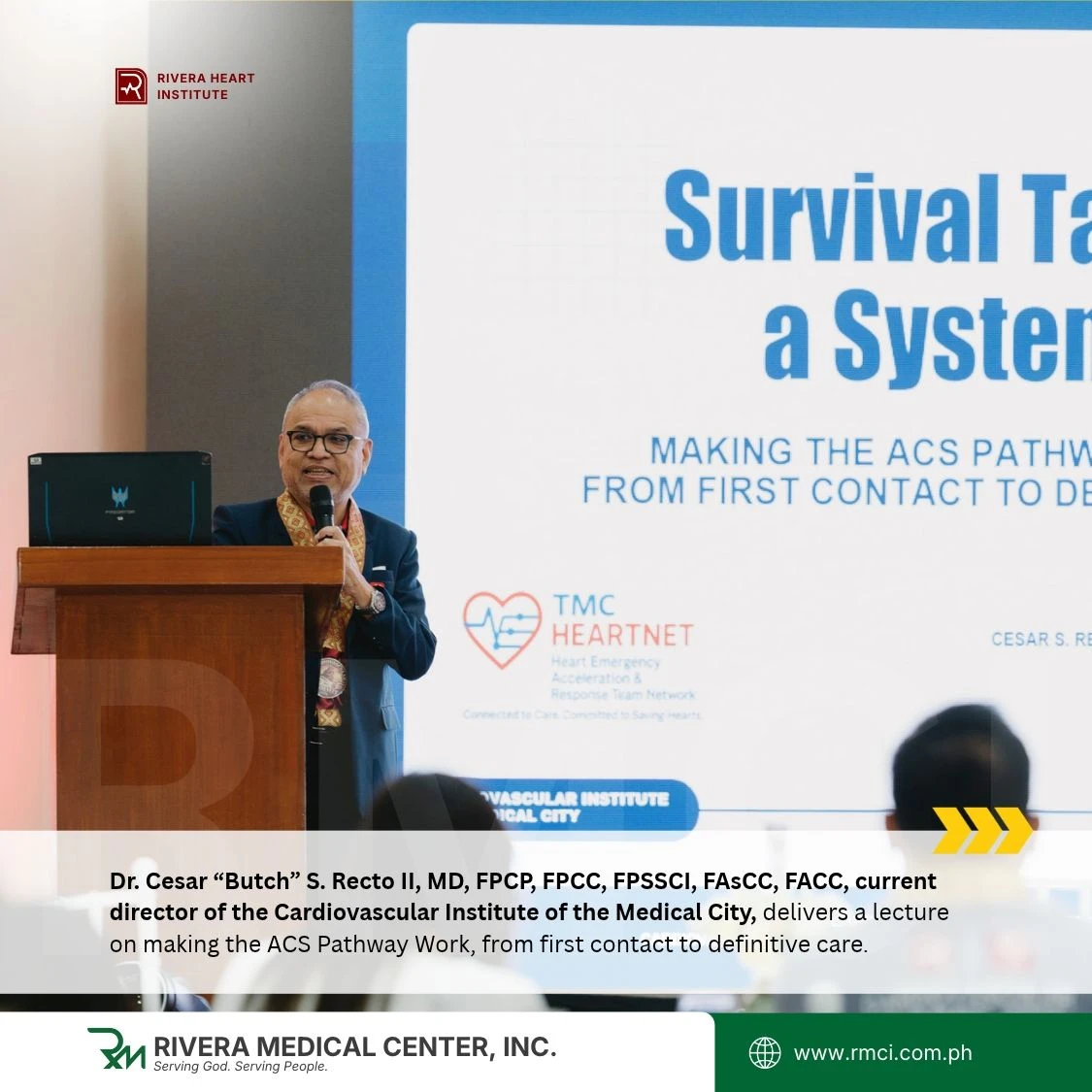
Meanwhile, Dr. Cesar “Butch” S. Recto II, MD, FPCP, FPCC, FPSSCI, FAsCC, FACC, the current director of the Cardiovascular Institute of the Medical City, gave a lecture on making the ACS Pathway work, from first contact to definitive care.
Recognizing Heart Attack Symptoms Before It Is Too Late
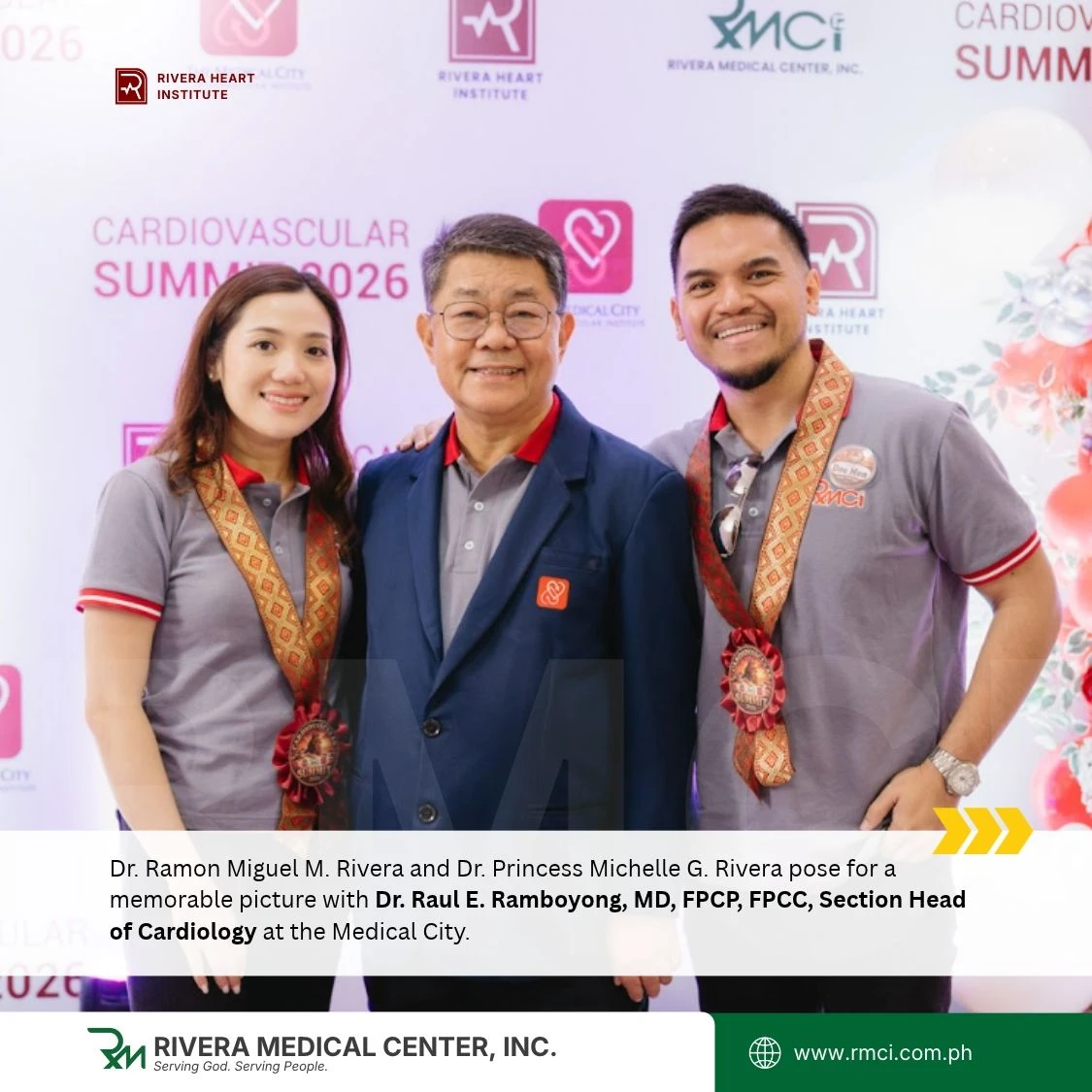
Raul E. Ramboyong, MD, FPCP, FPCC, Section Head of Cardiology at The Medical City, stressed that recognizing the early warning signs of a heart attack is essential to preventing avoidable deaths.
According to Dr. Ramboyong, heart attacks are frequently overlooked because their symptoms can resemble those of other medical conditions.
While chest pain is among the most widely recognized warning signs, some patients experience discomfort in the shoulders, jaw, or back, shortness of breath, or upper abdominal pain that may be mistaken for ulcers or respiratory illnesses.
“The problem with heart attack, number one, symptoms and signs can mimic other conditions,” Dr. Ramboyong explained. “It can be shoulder pain. It can be jaw pain. It can be back pain.”
He further explained that certain heart attacks may not immediately appear on an electrocardiogram (ECG), making proper clinical assessment and additional diagnostic testing essential when symptoms suggest a possible cardiac emergency.
Both cardiovascular specialists emphasized that every minute matters when a coronary artery becomes blocked.
Prolonged delays can lead to irreversible damage to the heart muscle and increase the likelihood of complications, including heart failure, even after successful medical intervention.
“What we say in cardiology, time is muscle. So, the less time, the more muscle you save, the better outcomes,” Dr. Rivera said.
The specialists urged the public to seek immediate medical attention when symptoms of a possible heart attack occur rather than delaying consultation or dismissing unusual discomfort.
Making Specialized Heart Procedures More Affordable
Beyond the urgency of treatment, financial limitations remain a major obstacle to accessing advanced cardiovascular services.
Dr. Rivera acknowledged that some patients hesitate to seek treatment at private hospitals because they anticipate substantial medical expenses, particularly when procedures such as coronary angioplasty are required.
To address this concern, RMCI has adjusted its treatment charges to help qualified patients maximize the benefits available under PhilHealth’s Ischemic Heart Disease–Acute Myocardial Infarction (IHD-AMI) Benefit Package.
The package provides coverage of up to ₱523,853 for eligible percutaneous coronary intervention procedures, subject to applicable PhilHealth requirements.
“So, what we did, we sort of fixed our finances so that the margin of profit is not too high, so that the P523,000 fits,” Dr. Rivera explained.
Through this arrangement, some qualified patients undergoing uncomplicated cardiac procedures can receive specialized treatment without additional out-of-pocket hospital expenses.
“So, if it’s a simple procedure, patients go home with the PhilHealth, they don’t have to pay anything.”
Dr. Rivera clarified, however, that patients who develop complications, require additional procedures, or undergo prolonged hospitalization may incur expenses exceeding the available benefit coverage.
For these cases, RMCI has strengthened its social services support to help financially disadvantaged patients seek assistance from the Department of Social Welfare and Development and other government medical assistance programs.
The initiative reflects the hospital’s continuing effort to make life-saving cardiac interventions accessible to more patients, regardless of their financial circumstances.
Panabo City Government Explores Additional Assistance for Heart Patients
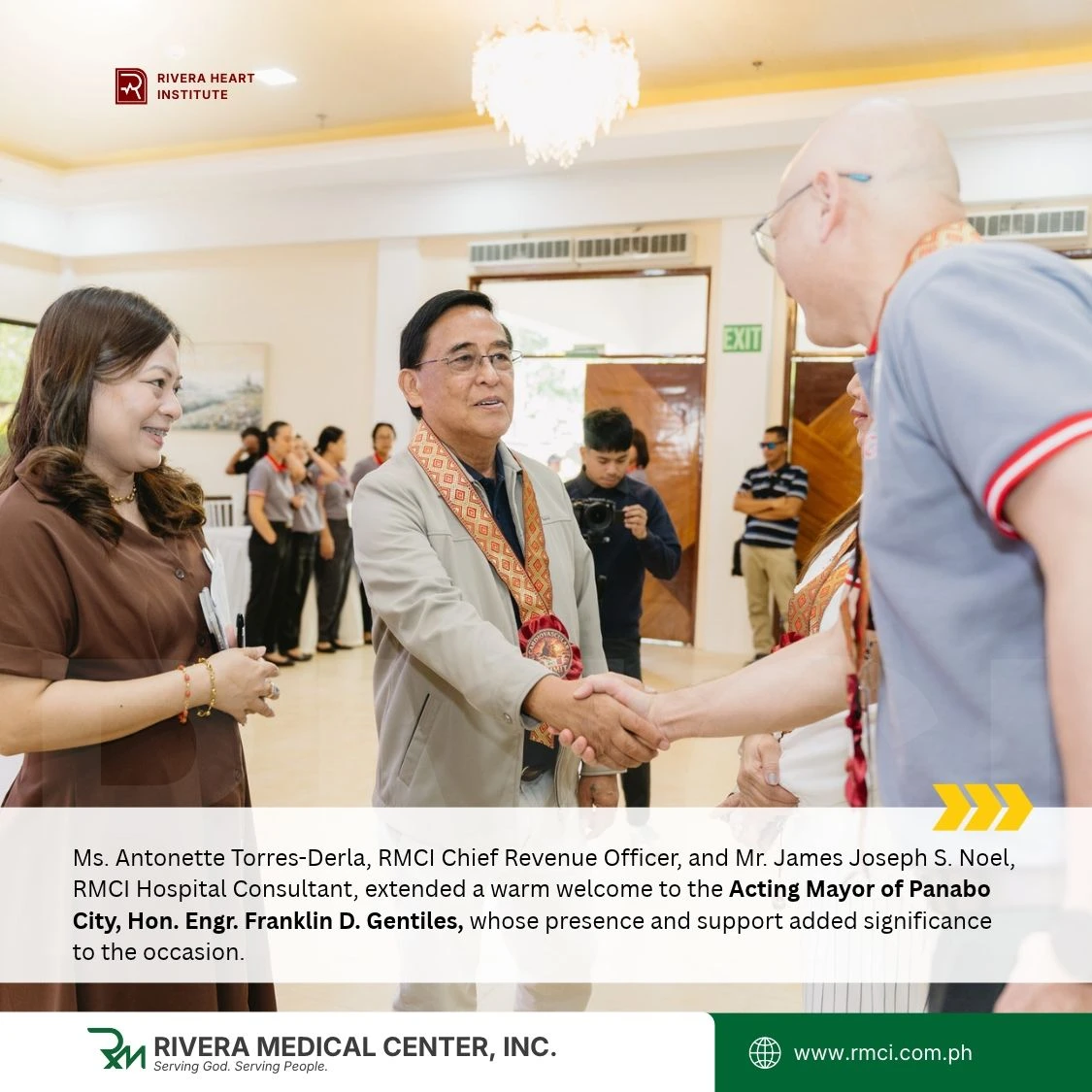
The importance of affordable cardiovascular treatment was further reinforced by Acting Panabo City Mayor Hon. Engr. Franklin D. Gentiles, who shared his personal experience of undergoing a coronary angioplasty procedure on August 5.
Hon. Gentiles recalled experiencing chest discomfort despite an earlier stress test that had not indicated a heart problem.
Further medical examinations eventually revealed significant calcium deposits in three coronary arteries, prompting him to undergo the procedure.
He was admitted to a hospital on August 4 and discharged on August 7, allowing him to resume certain public responsibilities shortly afterward.
His experience, he explained, reinforced his belief in the importance of early detection, regular medical examinations, and immediate treatment.
“If the heart of the city fails, the city fails. And if the heart of our people fails, our future fails,” Hon. Gentiles said during the summit. “That is why this summit is not just a medical event. This is a life-saving mission.”
The acting mayor emphasized that cardiovascular disease is a growing concern not only among older individuals but also among working-age adults exposed to unhealthy diets, physical inactivity, smoking, and stress.
He stressed that preventing heart disease requires collective responsibility extending beyond healthcare institutions.
“So our fight against heart disease must start not in the hospital, but in our homes, in our schools, and in our workplaces,” he said.
Recognizing the financial challenges faced by patients requiring specialized cardiac treatment, Hon. Gentiles disclosed that the city government is considering a medical assistance program for indigent residents needing procedures such as angioplasty and open-heart surgery.
The proposed initiative could involve partnerships with RMCI and other healthcare institutions, allowing eligible patients to combine their PhilHealth benefits with financial assistance from the city government.
“I would like to collaborate with the Rivera Medical [Center] to help these poor people, possibly with PhilHealth and the counterpart from the city, to have also a zero billing for those who have problems,” Hon. Gentiles said.
Although the proposal remains under consideration, the acting mayor expressed his intention to prioritize healthcare funding, particularly for medicines and assistance programs benefiting economically disadvantaged residents.
He also disclosed that the city government had submitted a proposed budget of approximately ₱2.2 billion for 2027.
“We see that more funding must be provided for the health care services, especially the medicines,” Hon. Gentiles said.
In addition to financial assistance, the city government intends to strengthen preventive healthcare initiatives at the barangay level.
These include improving access to functioning blood pressure monitoring equipment, enhancing the screening capabilities of barangay health workers, and encouraging residents aged 30 and above to regularly monitor their blood pressure, blood sugar, and cholesterol levels.
“We will strengthen our campaign for a healthy lifestyle. Less salty food, less smoking, less alcohol, more exercise, more vegetables,” he said.
The local government also intends to support community exercise activities and other programs promoting healthier lifestyles.
Strengthening Hospital Partnerships Through a Coordinated Referral Network
Another major focus of the Cardiovascular Summit 2026 was the development of a more coordinated hospital referral system to improve emergency cardiovascular care across Davao del Norte.
RMCI is pursuing a hub-and-spoke referral model inspired by the system implemented by The Medical City.
Under this approach, smaller hospitals and healthcare facilities serve as initial points of care, while specialized medical centers provide advanced diagnostic and treatment services.
The model aims to ensure that patients experiencing cardiac emergencies can be assessed, stabilized, and referred promptly to appropriate facilities, reducing unnecessary delays that can compromise their chances of survival.
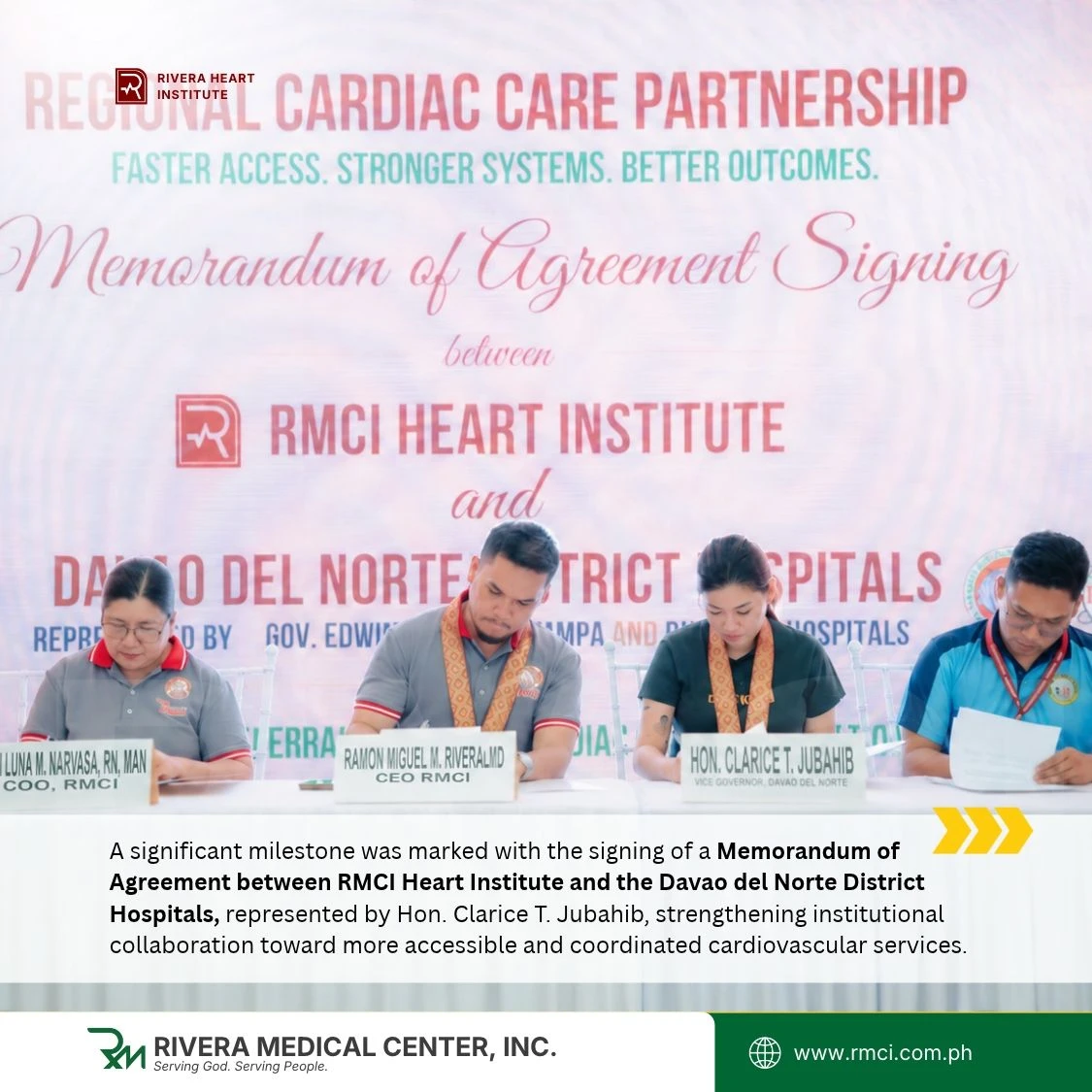
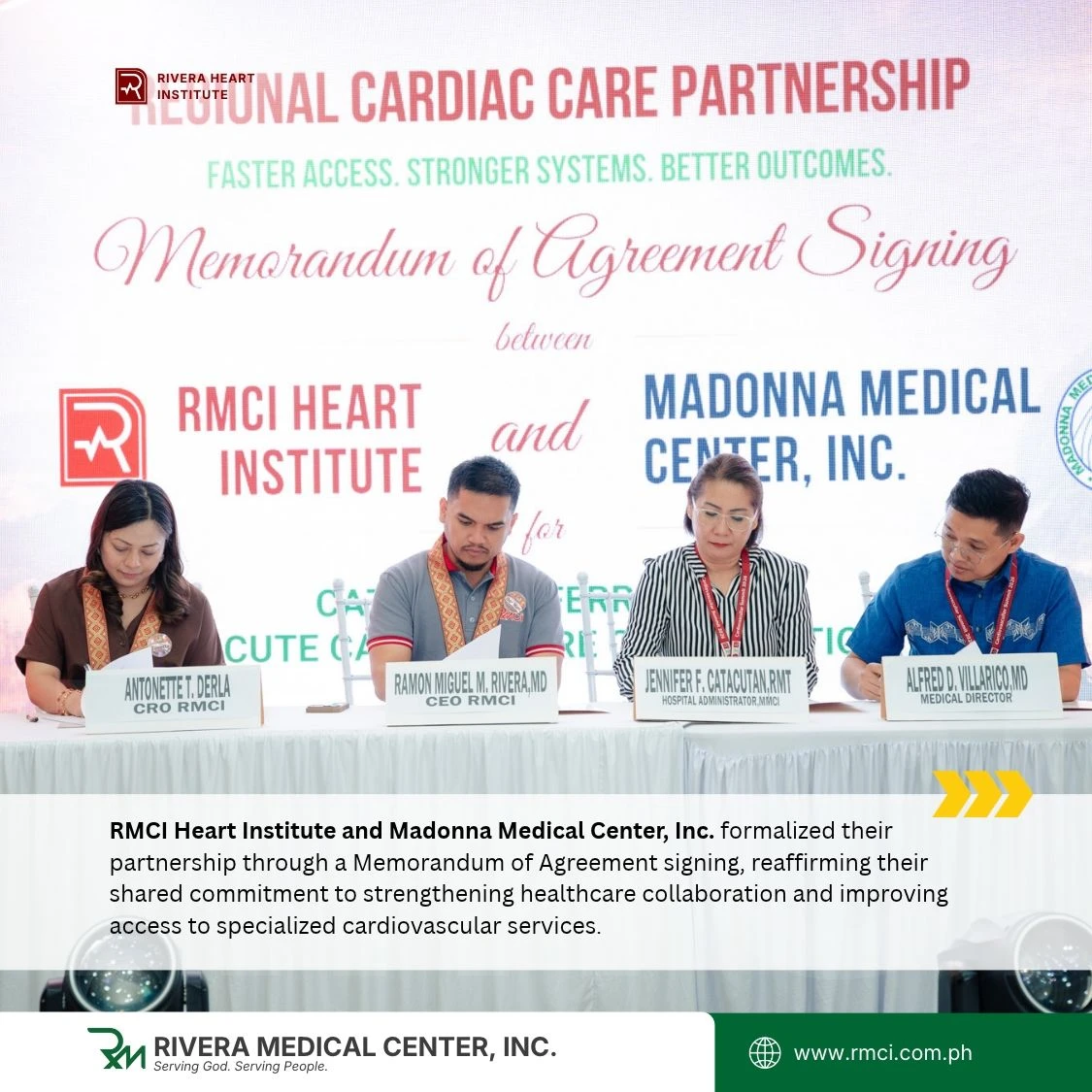
The summit featured the ceremonial signing of memoranda of agreement involving RMCI, Davao del Norte district hospitals, and Madonna Medical Center, Inc., intended to strengthen cardiovascular partnerships and referral coordination.
Dr. Rivera emphasized that smaller healthcare facilities do not necessarily need to invest in their own expensive cardiac catheterization laboratories to contribute meaningfully to effective heart attack management.
Instead, he highlighted the importance of equipping frontline healthcare professionals with the knowledge, training, and communication systems necessary to recognize emergencies and facilitate timely referrals.
“They don’t have to spend a lot to make a cath lab. They can begin healthcare from the get-go from there, once the patient enters their doors,” Dr. Rivera said.
Dr. Ramboyong supported this approach, explaining that smaller hospitals play an indispensable role in patient survival even when they do not have the equipment required for advanced cardiac procedures.
“Centers, they’re not so equipped as far as angioplasty and even bypass surgery. But the very fact that they are aware when to send their patient, that will lessen the time that are wasted,” Dr. Ramboyong explained.
He described the envisioned referral network as an extension of three fundamental principles in healthcare delivery: compassion, connection, and community.
By establishing stronger communication between referring facilities and specialized hospitals, healthcare teams can coordinate patient transfers more efficiently and prepare for necessary interventions before patients arrive.
A Shared Vision for the Future of Healthcare in Mindanao
Beyond the immediate objectives of the summit, the collaboration between RMCI and The Medical City reflects a shared vision for strengthening healthcare services in provincial communities.
Dr. Rivera revealed that he and Dr. Ramboyong, whom he considers his mentor, had been discussing their aspirations for improved provincial healthcare long before the summit was organized.
“Before this was planned, we were already dreaming about this,” Dr. Rivera said.
Their vision extends beyond cardiovascular treatment to the development of a regional healthcare institution capable of delivering specialized medical services while creating opportunities for education, professional training, research, and community health advocacy.
For Dr. Rivera, the summit represents the beginning of a broader effort to strengthen healthcare education and public awareness across Mindanao.
“It will be a continuum of education, of raising awareness, not only here in Panabo, but all throughout Mindanao, hopefully,” Dr. Rivera said. “We will explore stroke. We will also explore internal medicine, adult medicine.”
Future collaborations may therefore include programs focusing on stroke management, internal medicine, and other areas of adult healthcare.
Dr. Ramboyong expressed his aspiration for RMCI to eventually become a regional institution where healthcare professionals can build meaningful careers and pursue specialized training without necessarily relocating to major urban centers.
“They don’t need to go to Manila or Cebu,” Dr. Ramboyong said. “You can start a career in the healthcare system, even in the province.”
Drawing inspiration from The Medical City’s institutional model, he envisioned RMCI’s development around four principal areas: excellence in patient care, medical education and training, healthcare research, and community advocacy.
Strengthening these areas, he explained, could expand professional opportunities for healthcare workers while improving the quality and accessibility of medical services for patients outside major metropolitan centers.
“So, it will be an excellent center for service, education, research, and advocacy. And that’s my dream for him,” Dr. Ramboyong said.
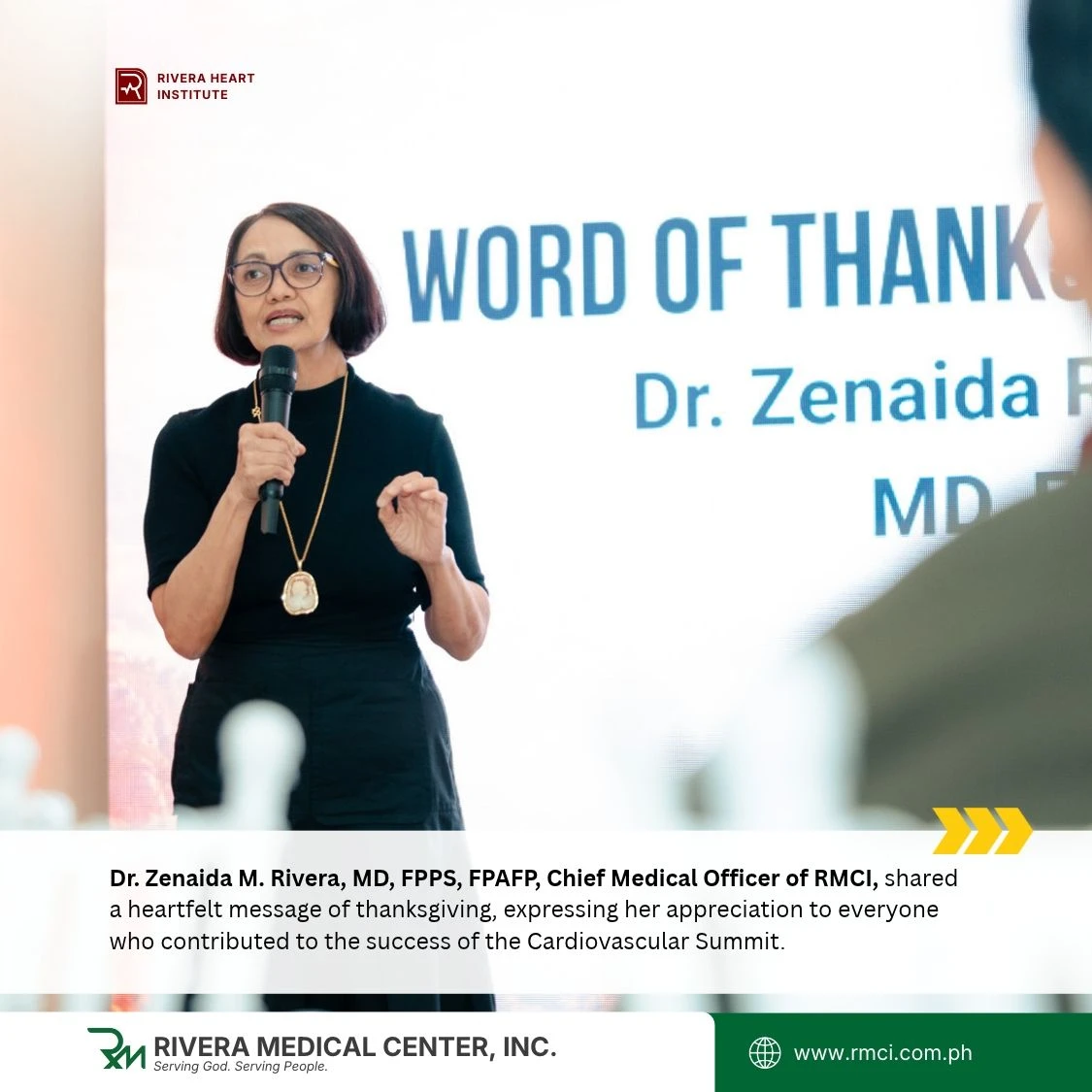
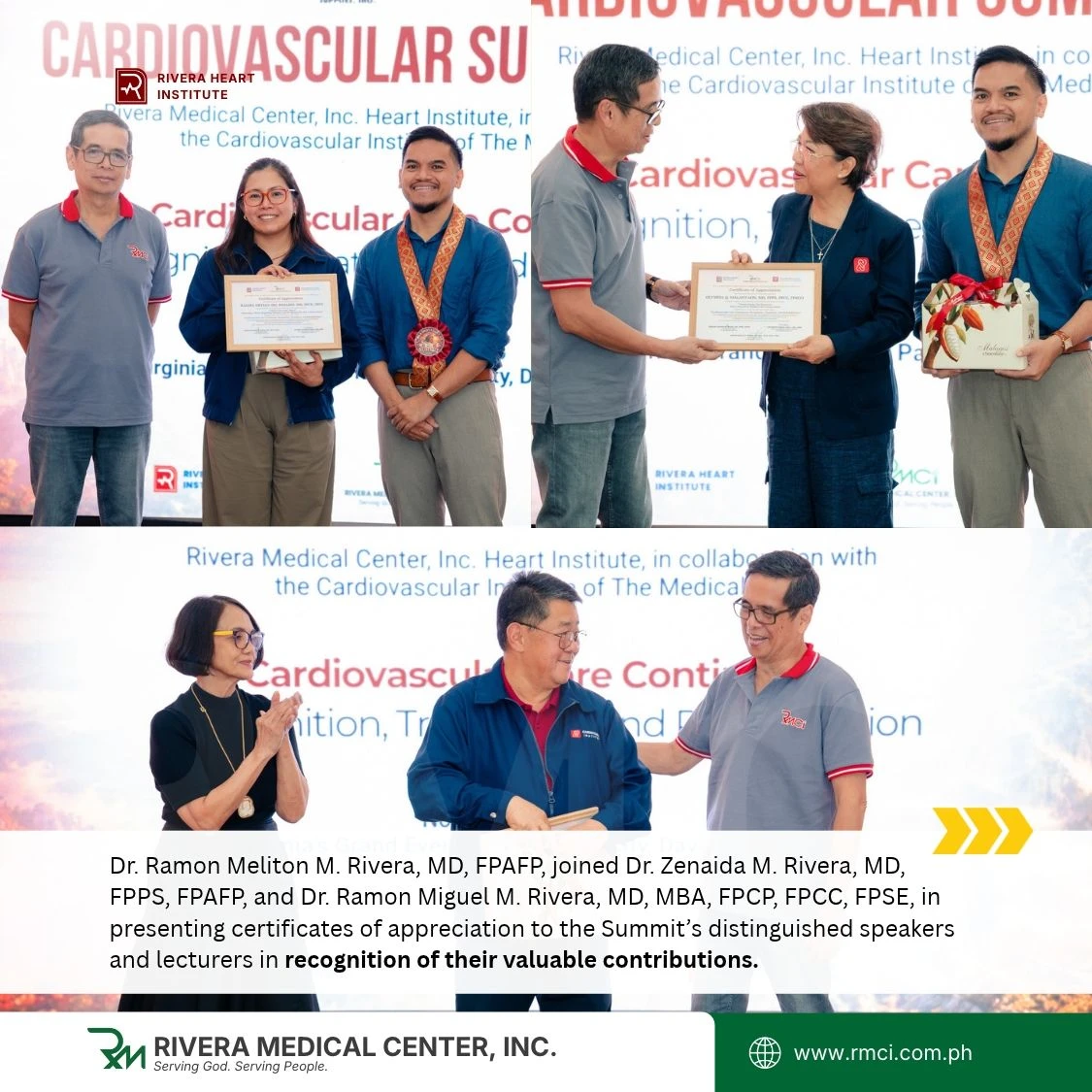
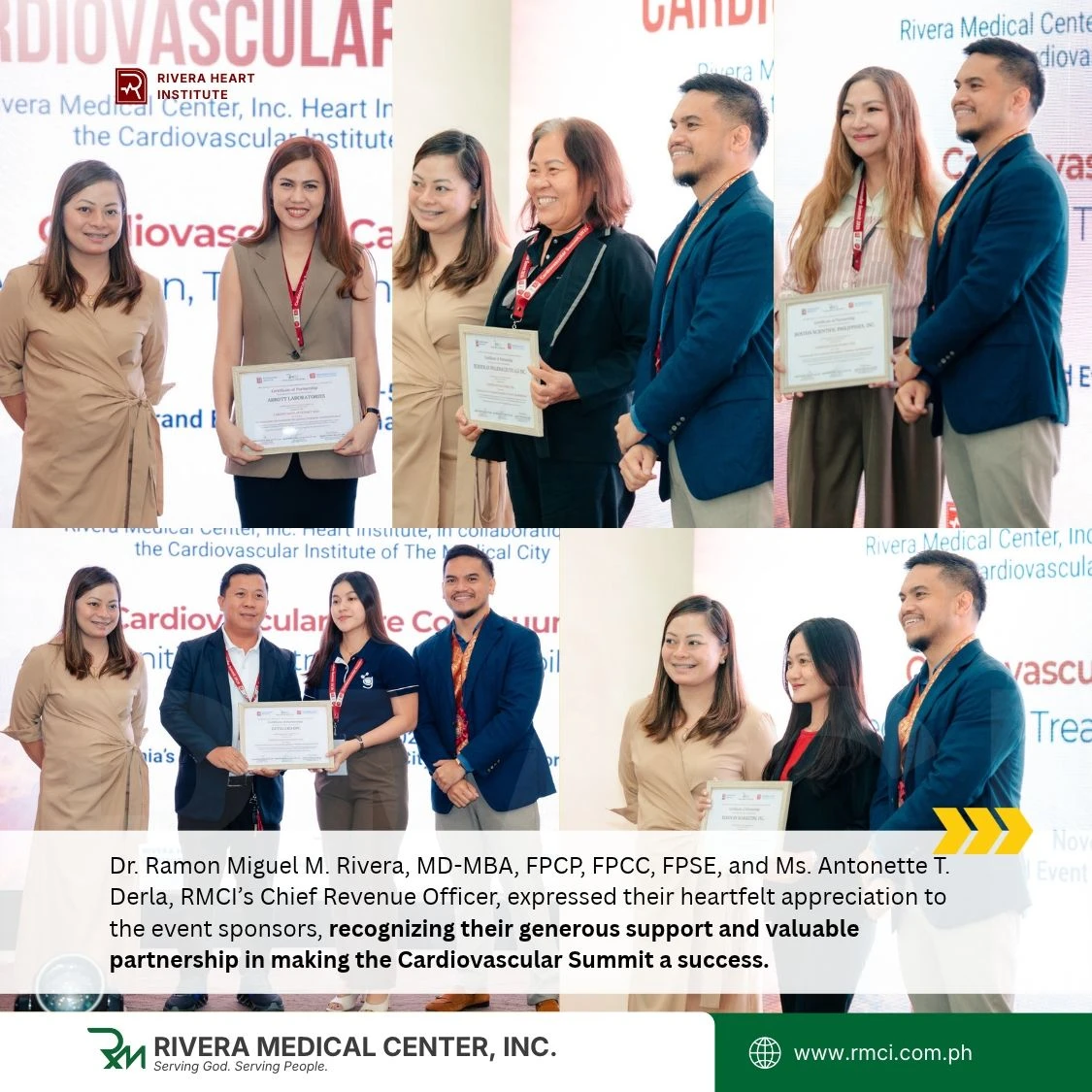
To close the second day of the Summit’s lectures, RMCI’s Chief Medical Officer Dr. Zenaida M. Rivera, MD, FPPS, FPAFP, and Dr. Ramon Meliton M. Rivera, MD, FPAFP, led in presenting certificates of appreciation to the Summit’s distinguished speakers and lecturers. Dr. Zenaida M. Rivera then led in a word of thanksgiving for a guests and participants who joined the two-day Cardiovascular Summit.
Empowering Communities Through Cardiovascular Education
The Cardiovascular Summit 2026 also provided opportunities for continuing medical education and community engagement.
Academic discussions throughout the two-day event covered cardiovascular risk factors, coronary artery disease, emergency heart attack management, cardiac rehabilitation, and long-term prevention.
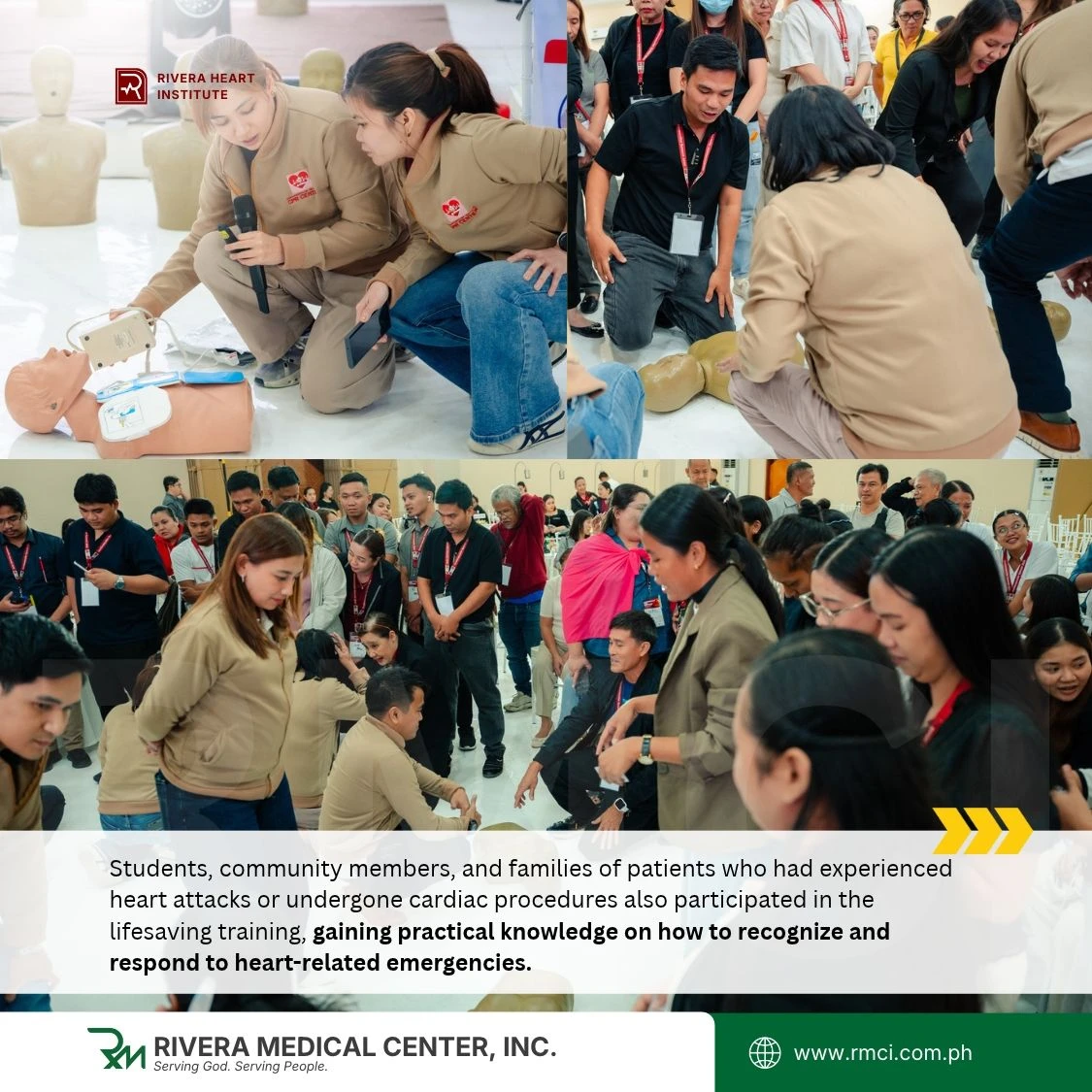
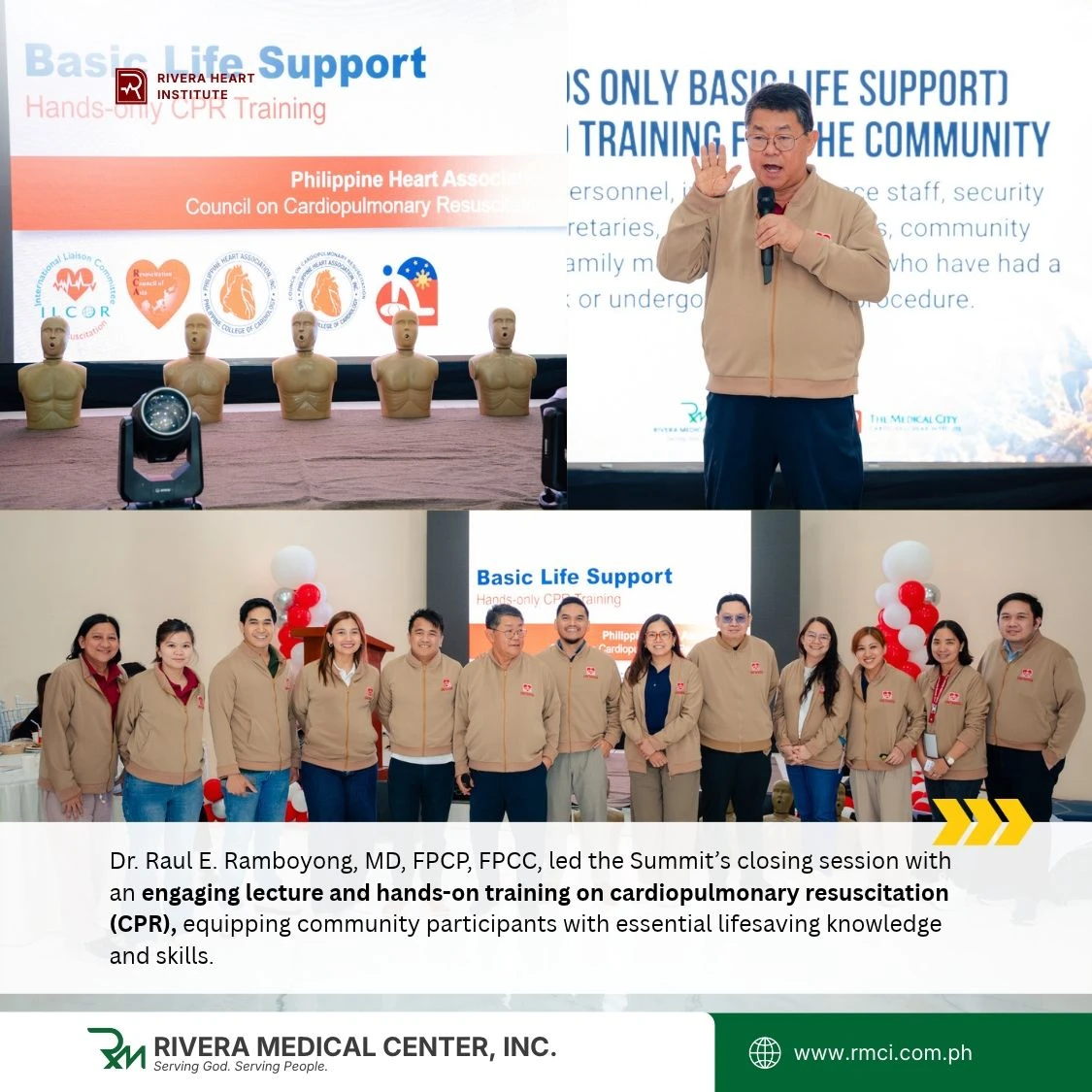
The summit concluded with community-based cardiopulmonary resuscitation (CPR) and basic life support training led by Dr. Ramboyong, with the assistance of cardiologists from RMCI and The Medical City.
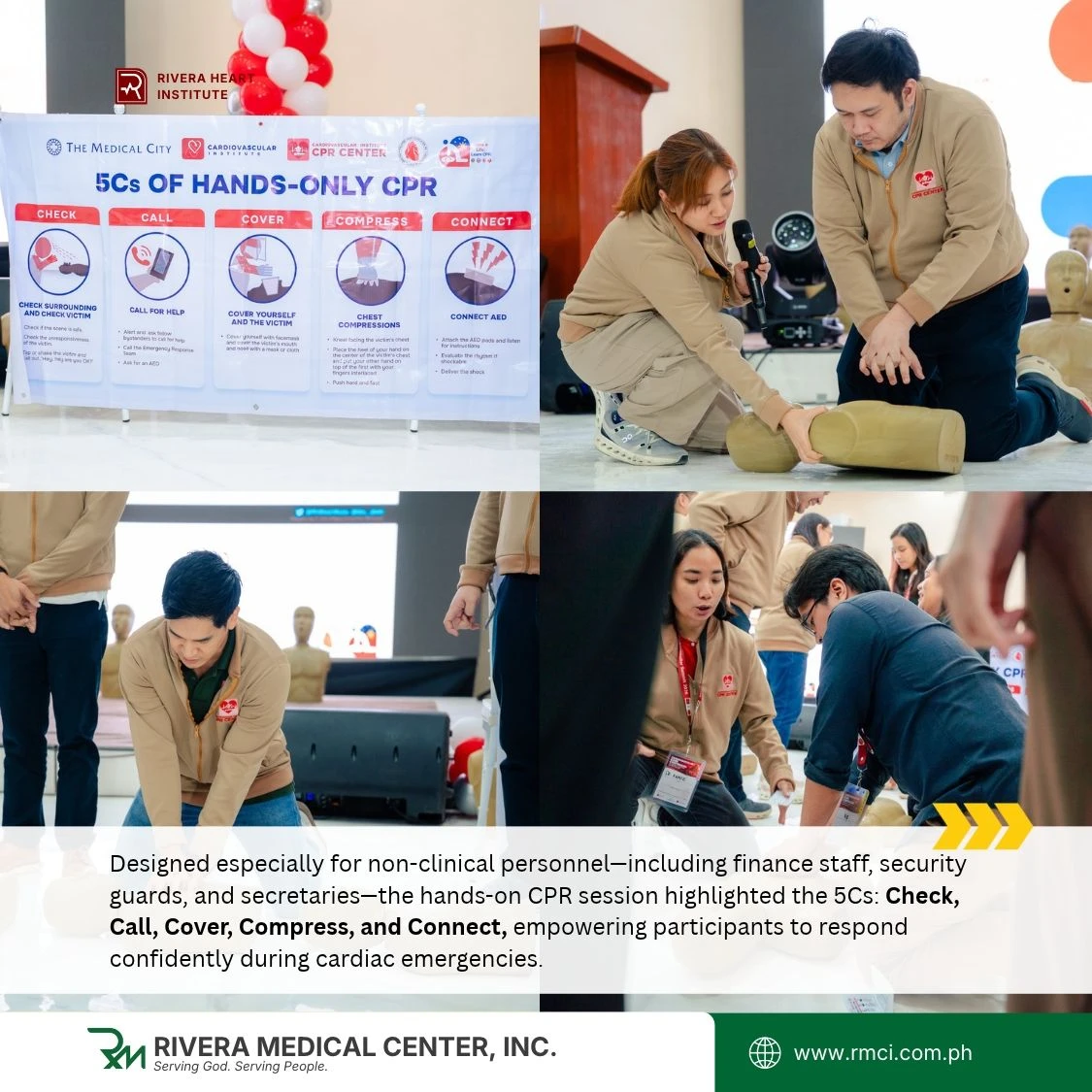
The practical training introduced participants to the 5Cs—Check, Cal, Cover, Compress, and Connect—as part of the effort to empower individuals to respond more confidently during cardiac emergencies.
Local government support also reinforced the importance of public health education as a long-term strategy for reducing cardiovascular disease.
Hon. Gentiles called on healthcare professionals to become active advocates for preventive care, emphasizing that educating communities about cardiovascular health can be as important as providing treatment.
“I ask you today, please be a voice for prevention, not just cure. Teach our people how to take care of their hearts before they face the emergency,” Hon. Gentiles said.
The summit highlighted a shared commitment among healthcare institutions, government representatives, and community stakeholders to strengthen both emergency cardiovascular response and preventive healthcare.
Giving Every Patient a Fighting Chance
For Dr. Rivera, RMCI’s continuing investment in cardiovascular care carries a purpose that extends beyond expanding hospital facilities and introducing advanced medical technology.
At its core is a commitment to ensuring that more patients receive timely, appropriate, and potentially life-saving treatment without being hindered by geographic distance or financial limitations.
“We really want to give everyone a fighting chance,” Dr. Rivera said. “So, we want to give that back and give second chances to the community.”
Through its expanding cardiovascular capabilities, improved referral partnerships, financial assistance coordination, and continuing educational programs, RMCI hopes to contribute to a healthcare system in which more patients throughout Davao del Norte and Mindanao can access specialized care when they need it most.
Dr. Rivera explained that this commitment is also deeply personal, rooted in his own experiences and his desire to extend the opportunity for recovery and renewed life to others. As he heartilly expressed:
“I have been a recipient of many second chances. Now, I want to give others a second chance, too. The people of Panabo deserve it. The people of Mindanao deserve it,” Dr. Rivera said.
As the Rivera Heart Institute and its healthcare partners work toward a more accessible and coordinated cardiovascular care system, that vision remains central to their efforts: bringing life-saving treatment closer to communities and giving more patients a second chance at life.
Need a cardiologist in Davao del Norte for your heart care? Contact our cardiologists.
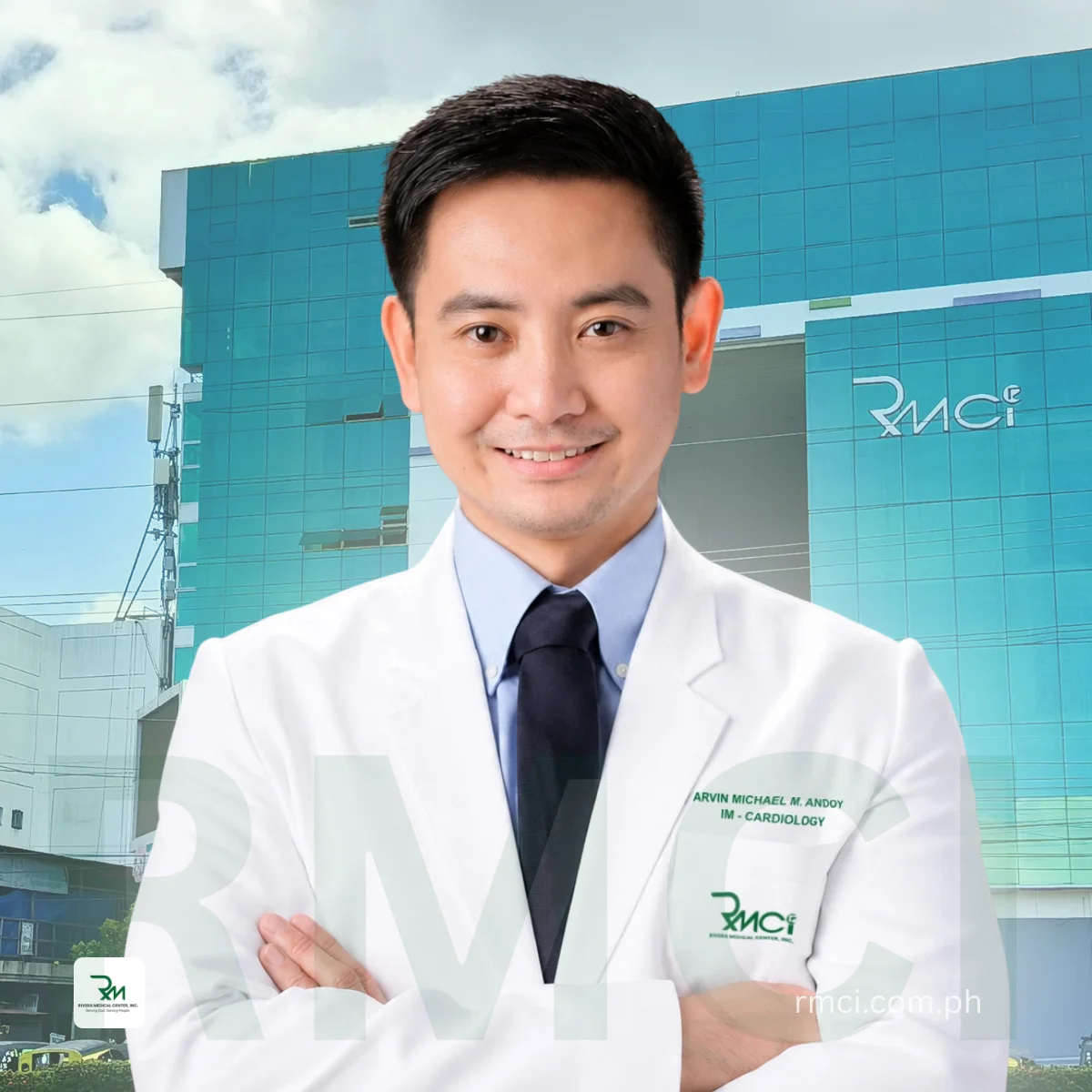
DR. ARVIN MICHAEL M. ANDOY
Schedule: THU, 1PM-4PM
Clinic Room: RMCI Medical Arts Building, 3rd floor
Contact: 09257076172
CALL NOW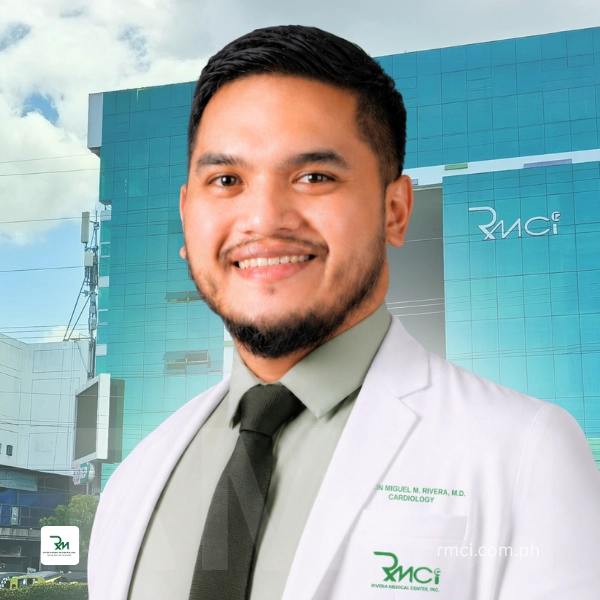
DR. RAMON MIGUEL M. RIVERA
Schedule: MON-TUE, THURS-SAT, 9AM-3PM
Clinic Room: Ground Floor, RMCI Medical Arts Building
Contact: 09257076172
CALL NOW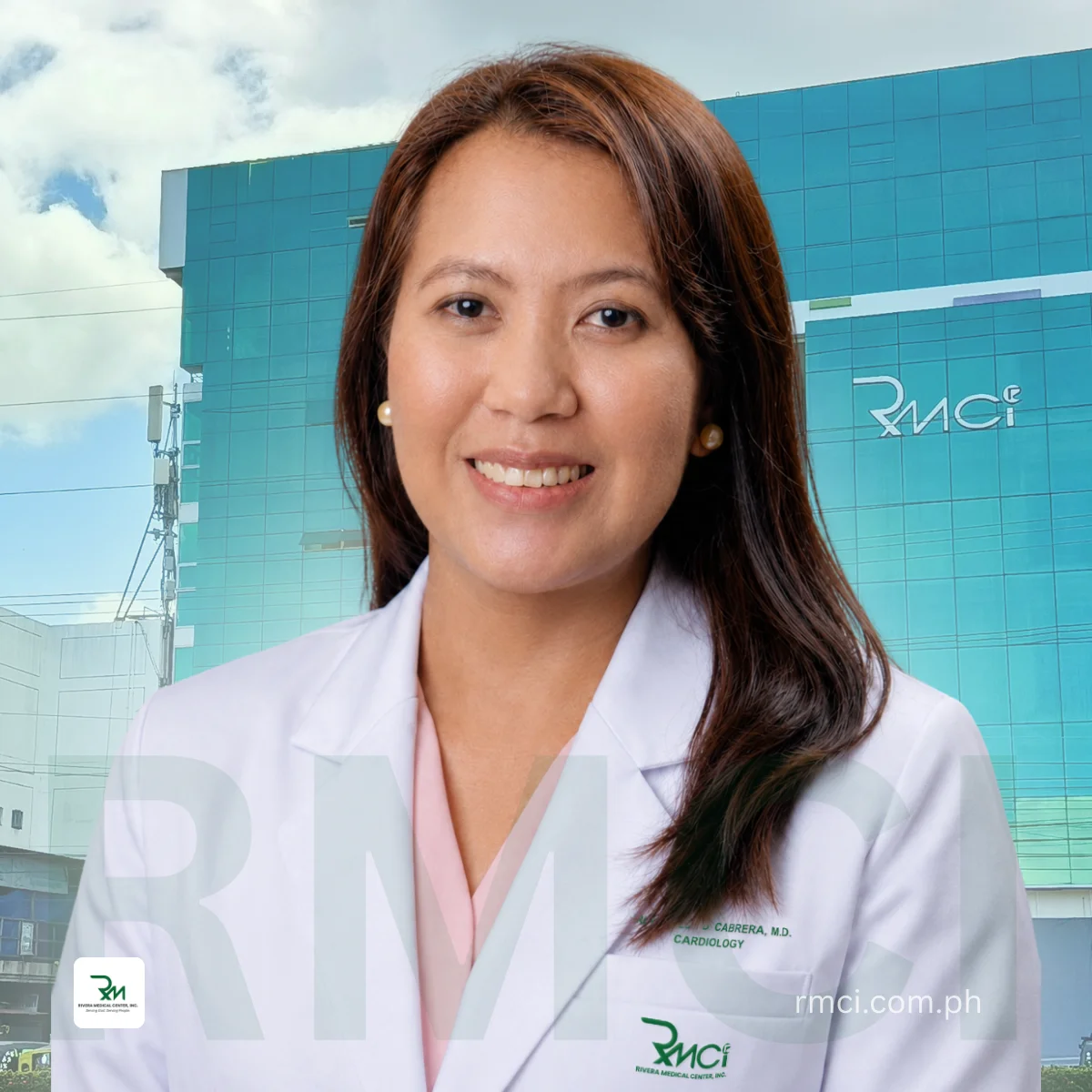
DR. MYRRENE BLUE D. CABRERA
Schedule: THU, SAT, 10AM-12NN
Clinic Room: 2-2 H Subspecialty Clinic
Contact: 09257807696
CALL NOW
DR. AIDA P. MARANIAN
Schedule: WED, 10AM-12NN
Clinic Room: 2-2 H Subspecialty Clinic
Contact: 09257807696
CALL NOW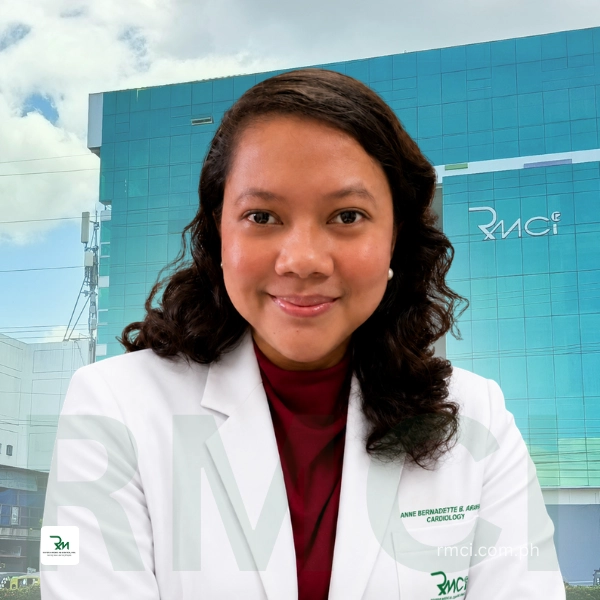
DR. ANNE BERNADETTE B. ARANGCON
Schedule: FRI, 1PM-3PM
Clinic Room: Cardio Metabolic
Contact: 09228282345
CALL NOW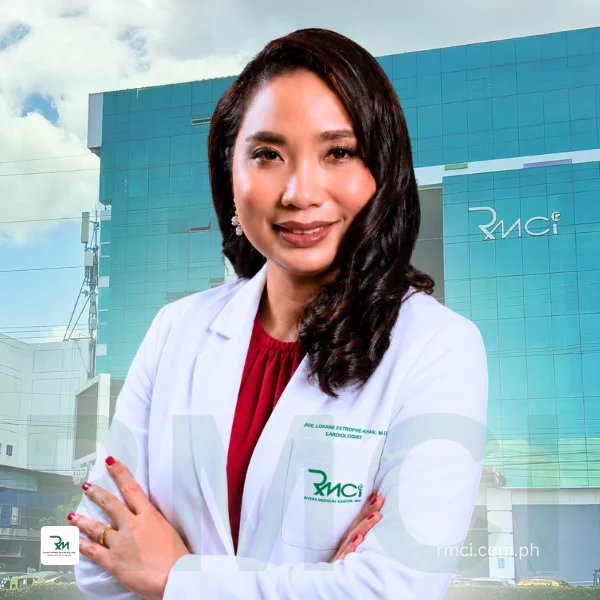
DR. ANNIE LORAINE ESTROPE-KHAN
Schedule: By Appointment
Clinic Room: CMU
Contact: 09257076172
CALL NOW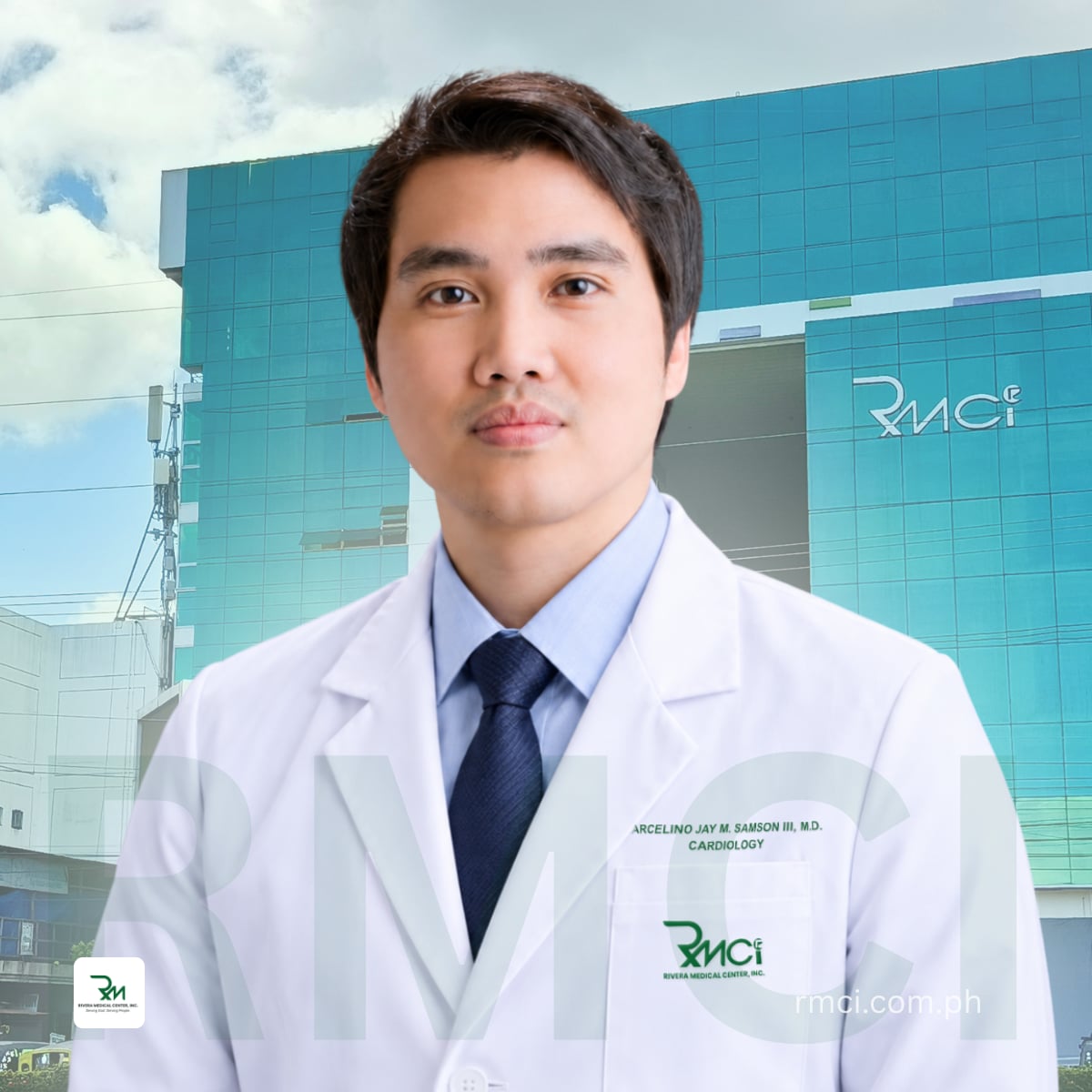
DR. MARCELINO JAY M. SAMSON III
Schedule: WED, 1PM-5PM
Clinic Room: Ground Floor, RMCI Medical Arts Building
Contact: 09257076172
CALL NOW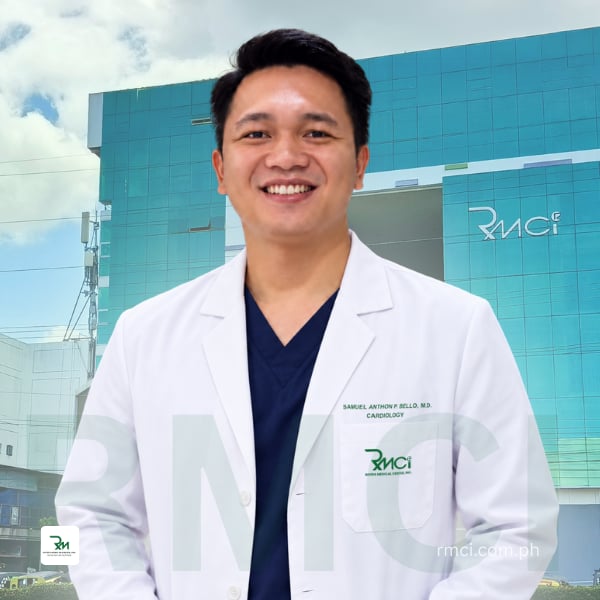
DR. SAMUEL ANTHON P. BELLO
Schedule: By Appointment SAT 9AM
Clinic Room: 3rd Floor - Cardiac Rehab
Contact: 09257076172
CALL NOW