
Our ENT doctor in Davao del Norte – also known as an otolaryngologist—is trained to diagnose and treat ENT conditions effectively. The ear, nose, and throat are closely connected parts of the body that play a vital role in breathing, hearing, speaking, swallowing, and balance. Because of this connection, problems in one area can easily affect the others.
Many people ignore early symptoms involving the ears, nose, or throat, assuming they are minor or temporary. However, persistent or worsening symptoms may signal underlying conditions that require expert evaluation.
TL;DR
1. The ear, nose, and throat work closely together to support breathing, hearing, speaking, swallowing, and balance. Persistent or worsening symptoms in these areas may signal underlying conditions that require evaluation by an ENT specialist.
2. Ongoing ear pain, discomfort, hearing loss, or ringing in the ears should not be ignored. These symptoms may indicate infections, inner ear damage, or nerve-related problems that need prompt medical attention.
3. Frequent dizziness, vertigo, or balance issues can stem from disorders of the inner ear. Proper diagnosis by an ENT specialist can help manage symptoms and prevent falls or injuries.
4. Chronic nasal congestion, blocked nose, or recurring sinus infections may point to sinus disease, nasal polyps, or structural problems. When these symptoms last for weeks or keep returning, specialist care is often needed.
5. A sore throat that does not improve, keeps coming back, or is accompanied by difficulty swallowing or neck lumps is a warning sign. Persistent hoarseness or voice changes lasting more than two weeks should also be evaluated.
6. Frequent nosebleeds or unexplained swelling or lumps in the neck should always be checked by a specialist. Early assessment helps rule out serious conditions and ensures timely treatment.
7. Loud snoring, breathing pauses during sleep, or ongoing ENT symptoms that affect daily life should not be dismissed. Consulting an ENT specialist early can relieve discomfort, prevent complications, and protect long-term health.
Symptoms That Should Make You See an ENT Doctor
The ear, nose, and throat are closely connected parts of the body that play a vital role in breathing, hearing, speaking, swallowing, and balance. Because of this connection, problems in one area can easily affect the others.
Many people ignore early symptoms involving the ears, nose, or throat, assuming they are minor or temporary. However, persistent or worsening symptoms may signal underlying conditions that require expert evaluation. An Ear, Nose, and Throat (ENT) specialist—also known as an otolaryngologist—is trained to diagnose and treat these conditions effectively.
Knowing when to consult an ENT specialist can help prevent complications, relieve discomfort, and improve quality of life. Below are common symptoms that should prompt a visit to an ENT doctor.
Persistent Ear Pain or Discomfort
Occasional ear pain may occur due to pressure changes, mild infections, or temporary blockage. However, ear pain that persists for more than a few days, becomes severe, or repeatedly returns should not be ignored. Ongoing ear pain may indicate middle or inner ear infections, fluid buildup, eardrum problems, or inflammation of nearby structures such as the jaw or sinuses.
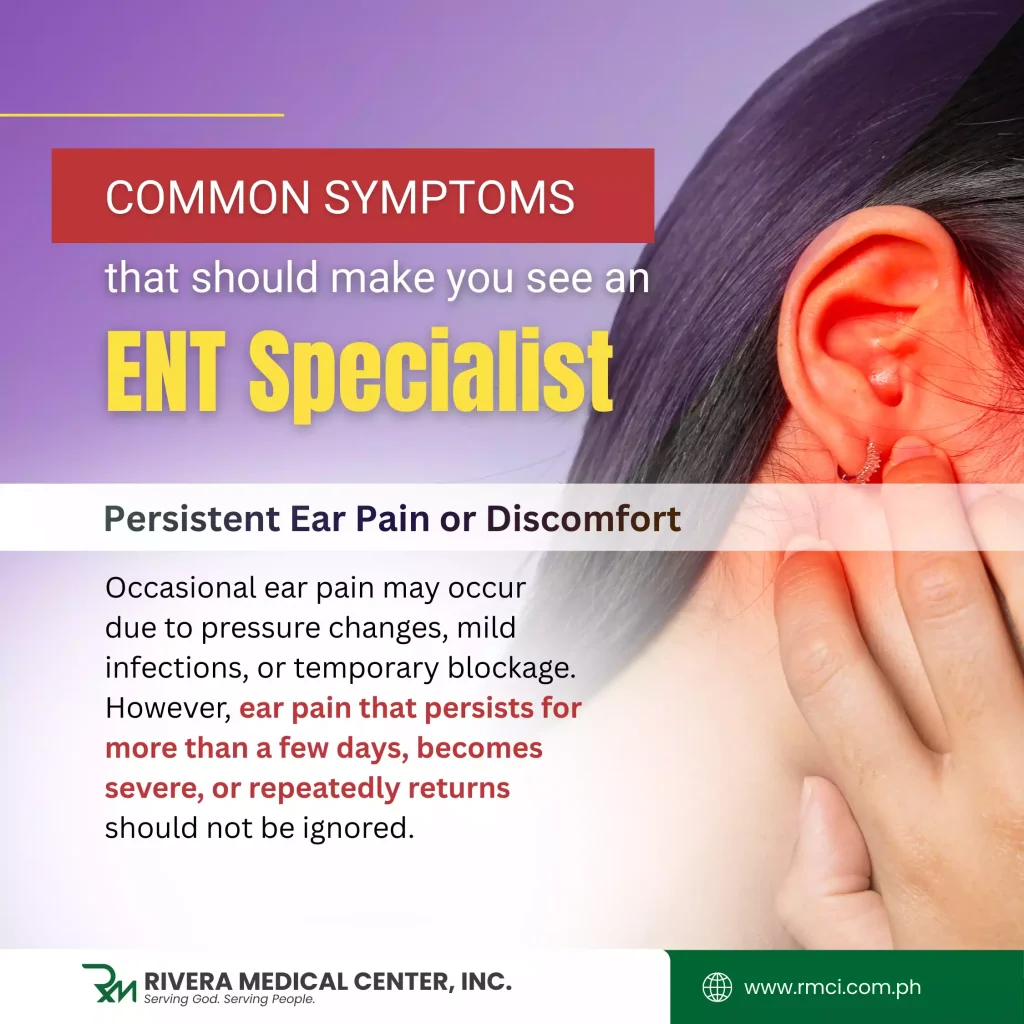
Children are especially prone to ear infections, but adults can also experience chronic ear problems. If ear pain is accompanied by fever, hearing changes, or fluid discharge, medical evaluation by an ENT doctor is essential.
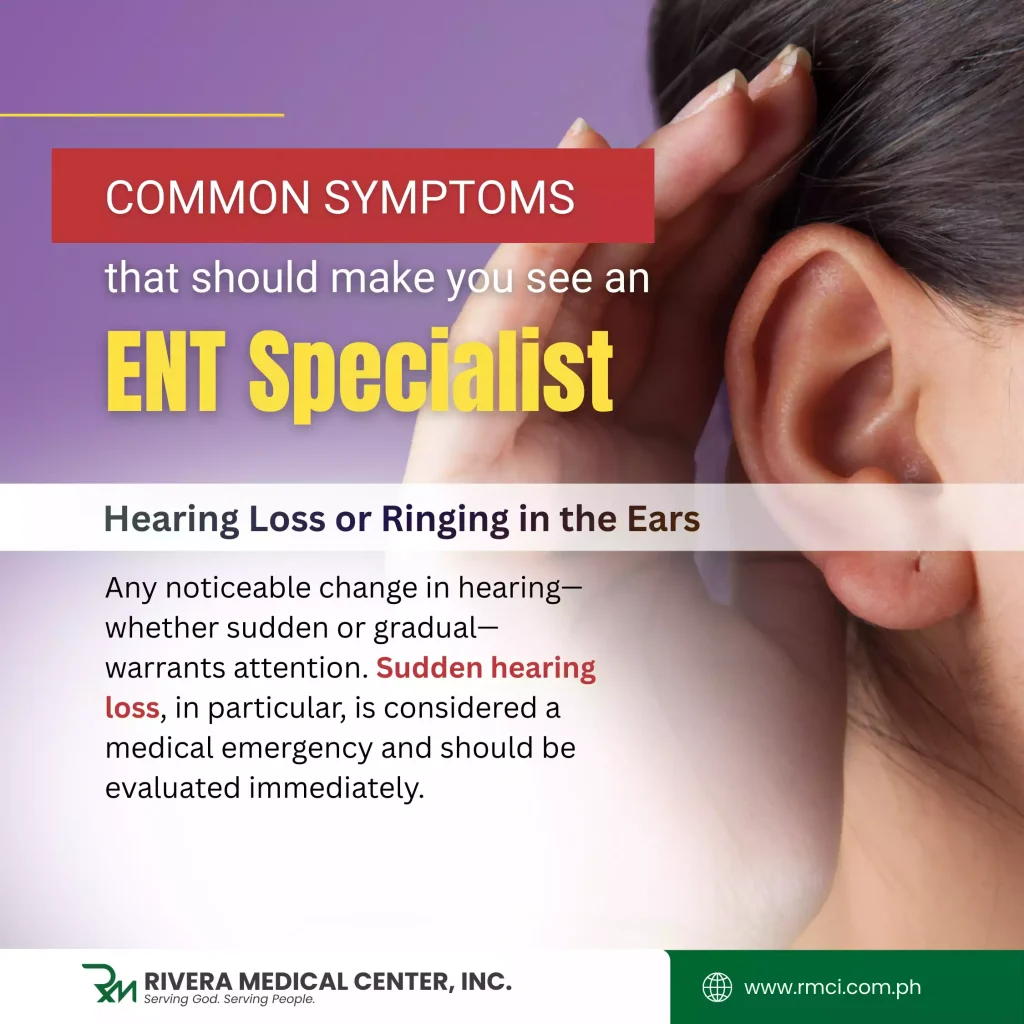
Hearing Loss or Ringing in the Ears
Any noticeable change in hearing—whether sudden or gradual—warrants attention. Hearing loss can result from earwax buildup, infections, aging, noise exposure, or damage to the inner ear structures. Sudden hearing loss, in particular, is considered a medical emergency and should be evaluated immediately.
Ringing, buzzing, or humming sounds in the ears, known as tinnitus, may be temporary, but persistent tinnitus can signal hearing damage, circulatory issues, or nerve-related problems. An ENT specialist can determine the cause and recommend appropriate treatment or hearing evaluation.
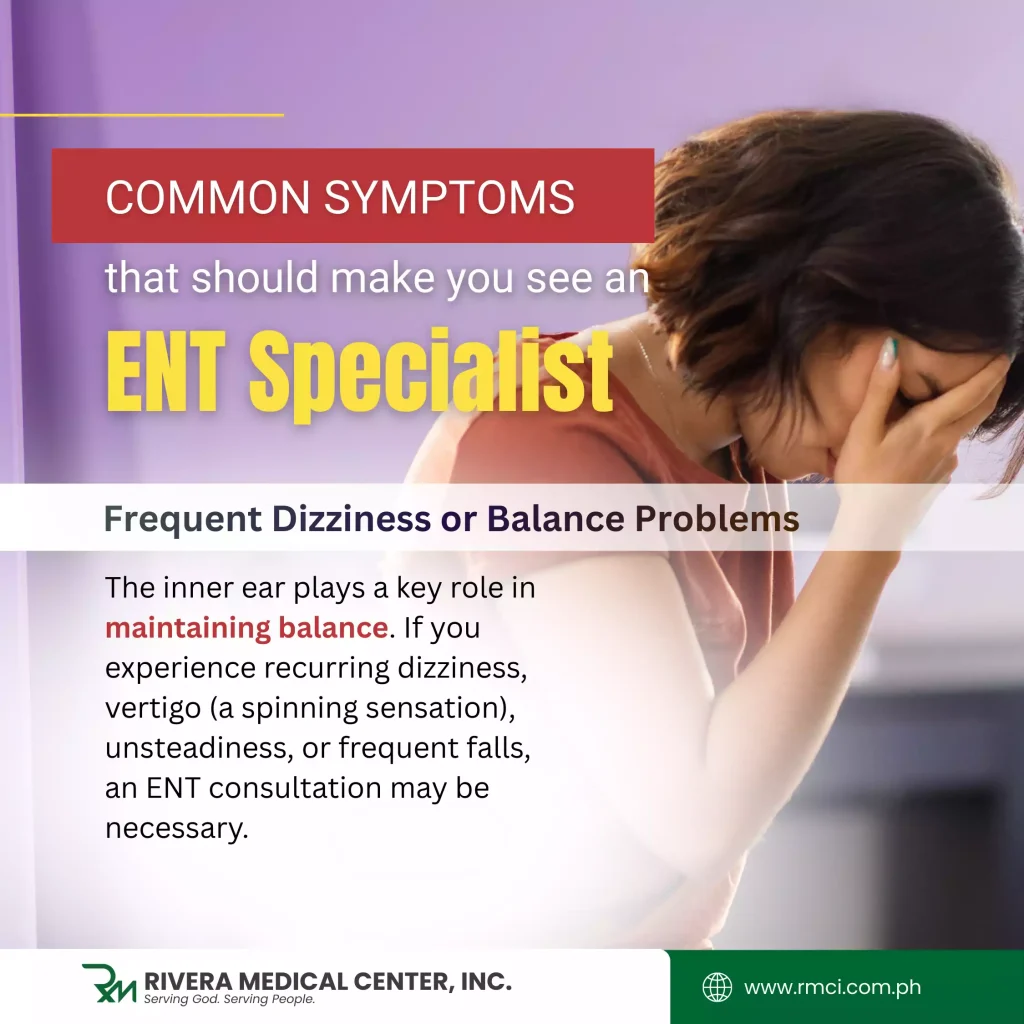
Frequent Dizziness or Balance Problems
The inner ear plays a key role in maintaining balance. If you experience recurring dizziness, vertigo (a spinning sensation), unsteadiness, or frequent falls, an ENT consultation may be necessary. These symptoms may be caused by inner ear disorders such as benign paroxysmal positional vertigo (BPPV), Ménière’s disease, or vestibular neuritis.
Balance problems can significantly affect daily activities and safety, especially in older adults. Proper diagnosis can help manage symptoms and prevent injuries.
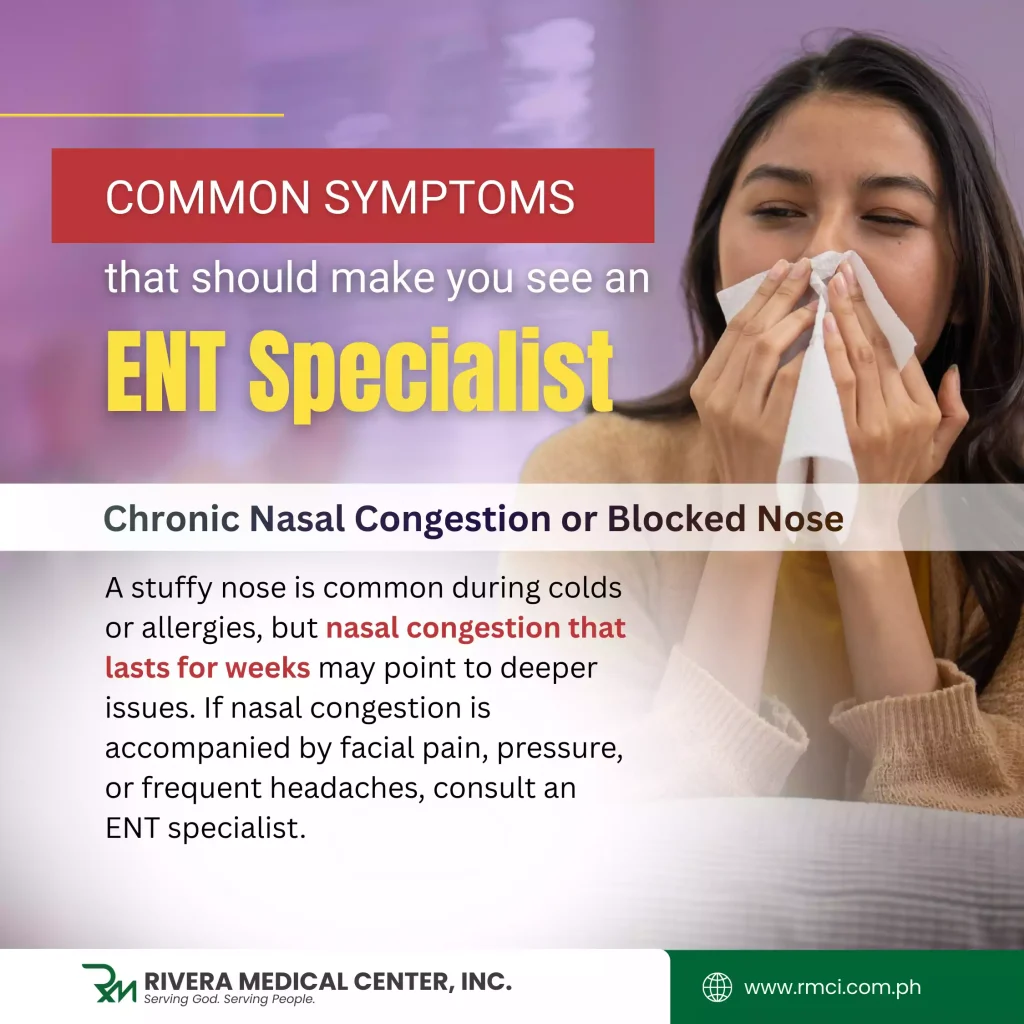
Chronic Nasal Congestion or Blocked Nose
A stuffy nose is common during colds or allergies, but nasal congestion that lasts for weeks or keeps returning may point to deeper issues. Chronic nasal blockage can be caused by sinus infections, nasal polyps, deviated septum, or persistent allergies.
If nasal congestion is accompanied by facial pain, pressure, thick nasal discharge, reduced sense of smell, or frequent headaches, an ENT doctor can evaluate the nasal passages and sinuses to identify the root cause.
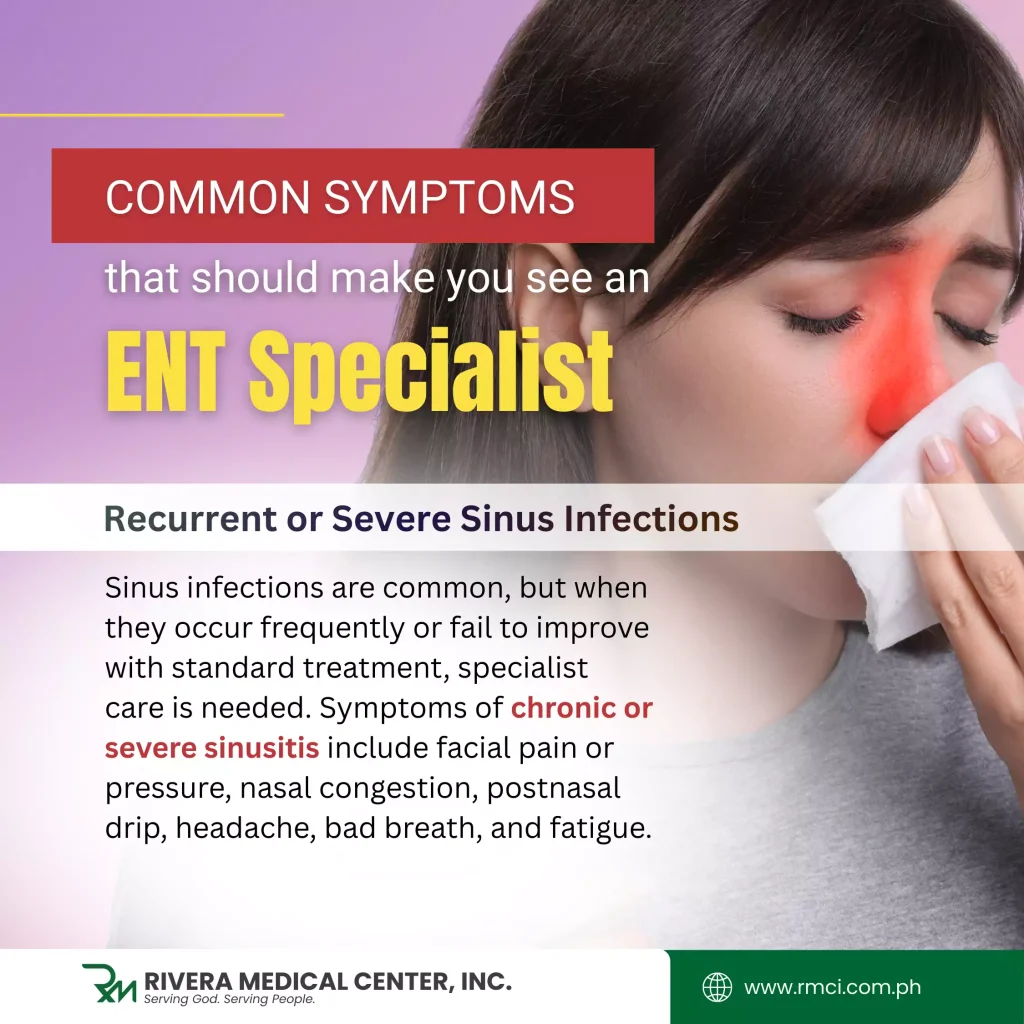
Recurrent or Severe Sinus Infections
Sinus infections are common, but when they occur frequently or fail to improve with standard treatment, specialist care may be needed. Symptoms of chronic or severe sinusitis include facial pain or pressure, nasal congestion, postnasal drip, headache, bad breath, and fatigue.
Repeated sinus infections can affect sleep, work performance, and overall health. An ENT doctor may recommend imaging studies, medications, or procedural interventions to manage chronic sinus disease effectively.
Sore Throat That Does Not Improve
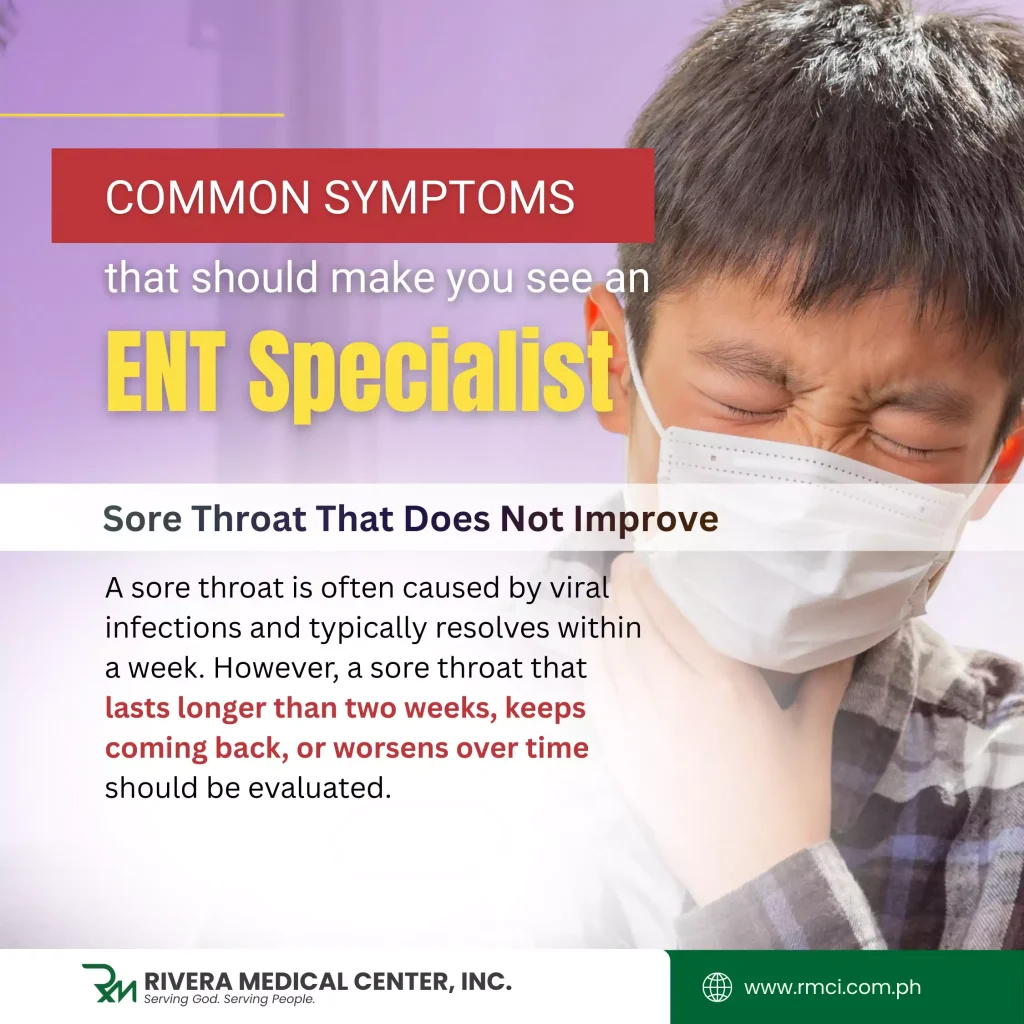
A sore throat is often caused by viral infections and typically resolves within a week. However, a sore throat that lasts longer than two weeks, keeps coming back, or worsens over time should be evaluated. Persistent throat pain may be associated with tonsillitis, acid reflux, vocal strain, infections, or, in rare cases, tumors.
Additional warning signs include difficulty swallowing, pain on one side of the throat, unexplained weight loss, or a lump in the neck. These symptoms should never be ignored.
Hoarseness or Voice Changes
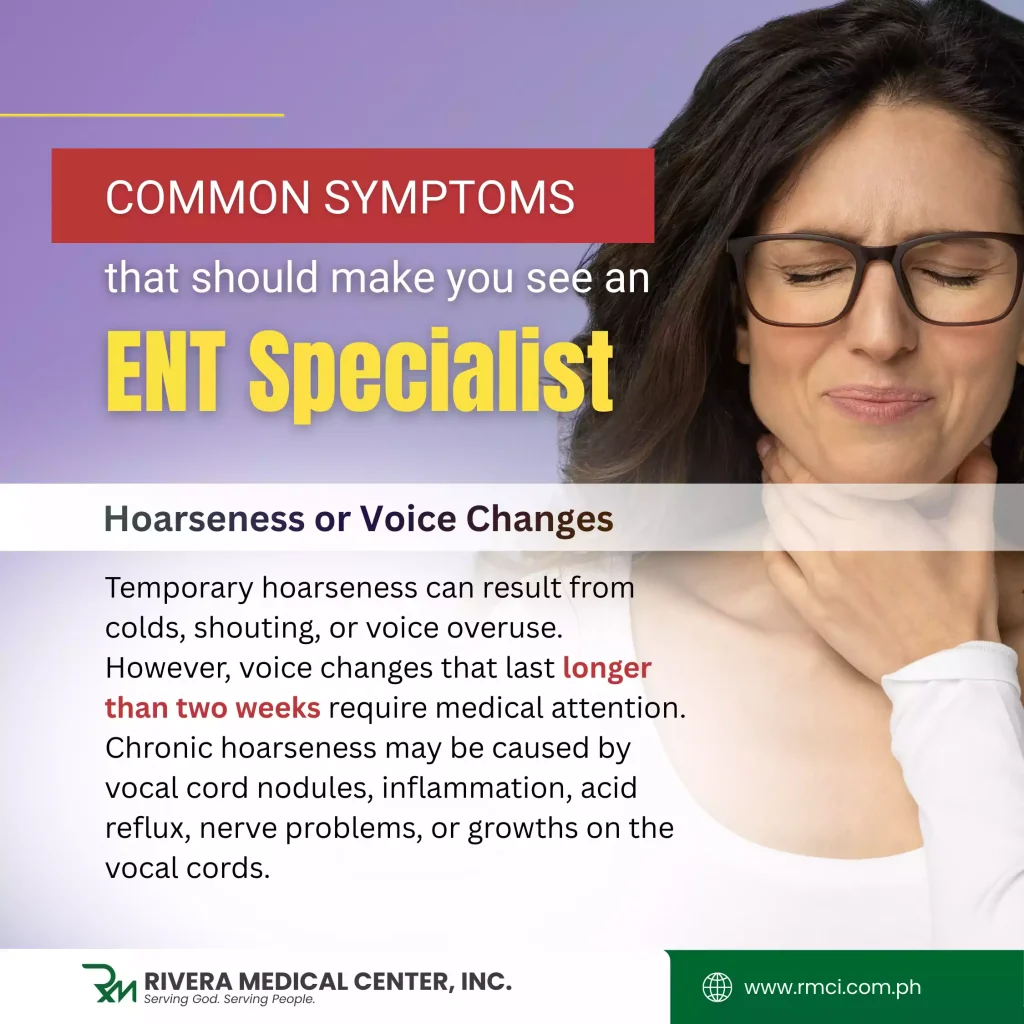
Temporary hoarseness can result from colds, shouting, or voice overuse. However, voice changes that last longer than two weeks require medical attention. Chronic hoarseness may be caused by vocal cord nodules, inflammation, acid reflux, nerve problems, or growths on the vocal cords.
People who rely heavily on their voice—such as teachers, singers, and public speakers—are especially encouraged to seek ENT care for persistent voice issues to prevent long-term damage.
Difficulty Swallowing
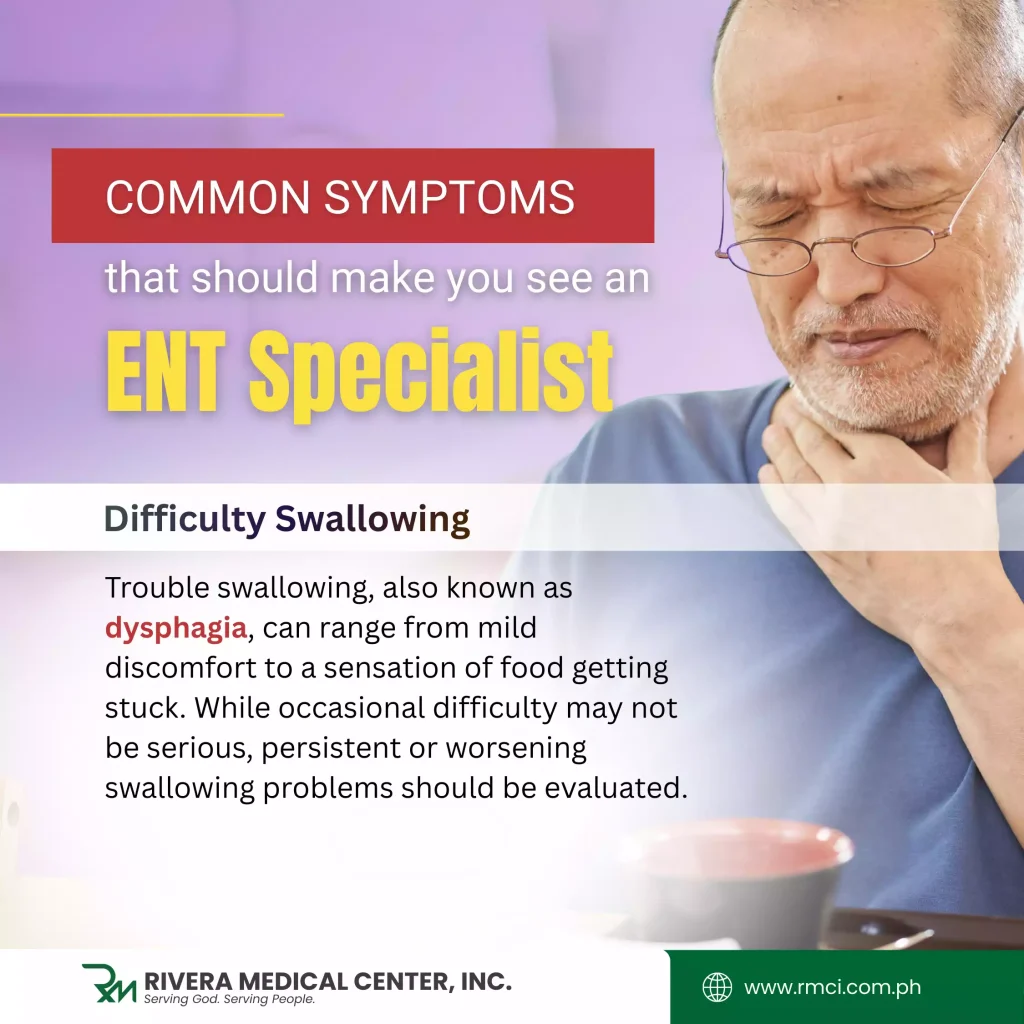
Trouble swallowing, also known as dysphagia, can range from mild discomfort to a sensation of food getting stuck. While occasional difficulty may not be serious, persistent or worsening swallowing problems should be evaluated.
Dysphagia may be related to throat inflammation, structural abnormalities, muscle disorders, or neurological conditions. An ENT specialist can assess swallowing function and coordinate appropriate care.
When in Doubt, visit an ENT Doctor
Many ear, nose, and throat symptoms overlap with common illnesses, making it easy to dismiss them. However, when symptoms are persistent, recurrent, severe, or unexplained, seeing an ENT specialist is a proactive step toward protecting your health. Early diagnosis often leads to simpler treatment and better outcomes.
If you or a loved one experience any of these symptoms, do not hesitate to consult an ENT specialist. Timely care can restore comfort, prevent complications, and ensure that vital functions like hearing, breathing, and speaking are well protected.
References
-
American Academy of Otolaryngology–Head and Neck Surgery Foundation. (n.d.). When should I see an ENT specialist? https://www.entnet.org
-
Cleveland Clinic. (n.d.). Otolaryngologist: What they do & when to see one. https://my.clevelandclinic.org/health/articles/24635-otolaryngologist
-
Mayo Clinic Health System. (2021, July 30). 8 reasons to visit an ENT specialist. https://www.mayoclinichealthsystem.org/hometown-health/speaking-of-health/8-reasons-to-visit-an-ent-specialist
-
University of Utah Health. (n.d.). ENT doctor or primary care physician. https://healthcare.utah.edu/ent/ent-or-primary-care-doctor
-
Yale Medicine. (n.d.). When to see an ENT: How to know if you need an ear, nose, and throat specialist. https://www.yalemedicine.org/news/when-to-see-an-ent-how-to-know-if-you-need-an-ear-nose-and-throat-specialist