Latest statistics on anemia in the Philippines
Anemia in the Philippines is still a health concern. While the country has made significant progress in reducing anemia over the past decades, anemia remains a public health challenge. Based on a 2023 National Nutrition Survey (NNS), around 2 in every 10 older persons who are aged 60 and above suffer from anemia. In one of their FB posts, the Food and Nutrition Research Institute also found that:
- Among children under 5 years old, 11.4% are affected by anemia
- Around 5.4% of children aged 5-10 years have anemia
- Among Filipino teenagers, 5.8% suffer from anemia
- 8 out of 100 adults suffer from anemia
- Among pregnant women in the Philippines, 21.8% have anemia
- Around 11.2% of lactating mothers have anemia
What is Anemia?
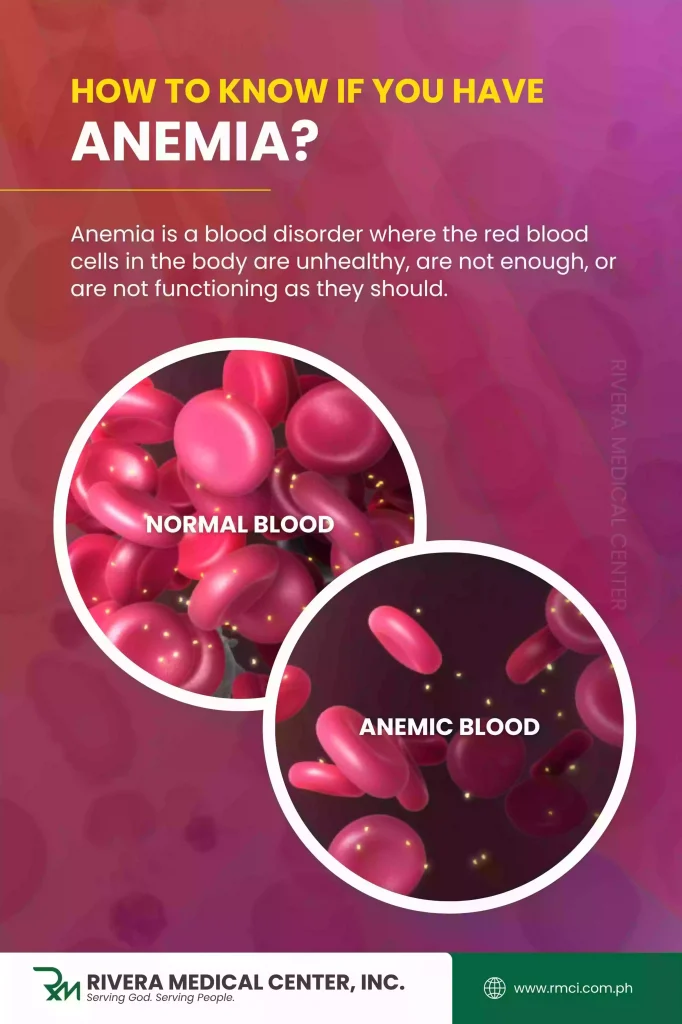
Anemia happens where your blood has fewer healthy red blood cells or less hemoglobin than normal. When this happens, the body is not getting enough oxygen.
Anemia is a problem because it can cause fatigue, weakness, shortness of breath, and other health problems. This condition affects people of all ages, and is especially serious for pregnant women, young children, and older adults.
Common Signs and Symptoms of Anemia
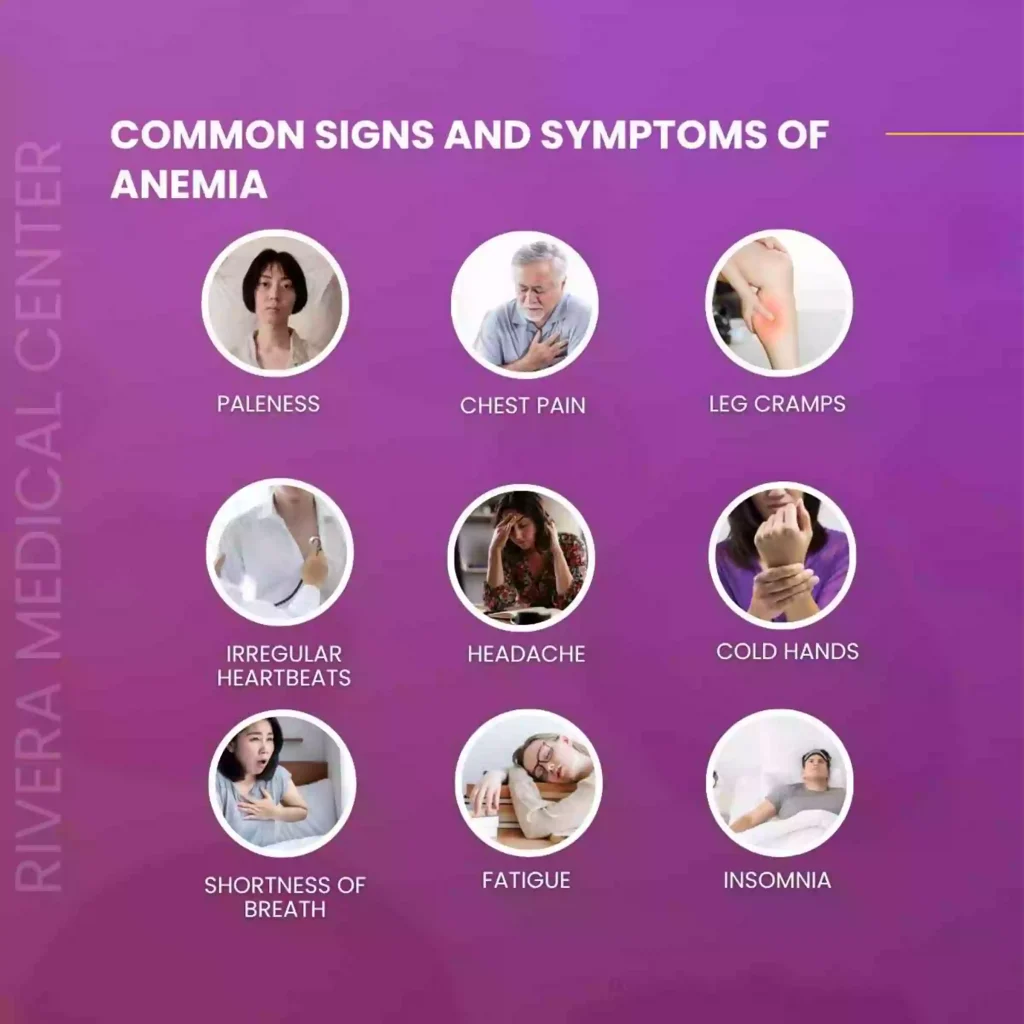
The common signs and symptoms of anemia include persistent tiredness and weakness, pale or yellowish skin, and shortness of breath, especially during physical activity.
Filipinos suffering from anemia may also experience dizziness or lightheadedness, headaches, cold hands and feet, and a rapid or irregular heartbeat. In more severe cases, some notice chest pain or difficulty concentrating. In the Philippines, these symptoms can develop slowly and might be mild at first, making anemia hard to detect without a blood test in its early stages.
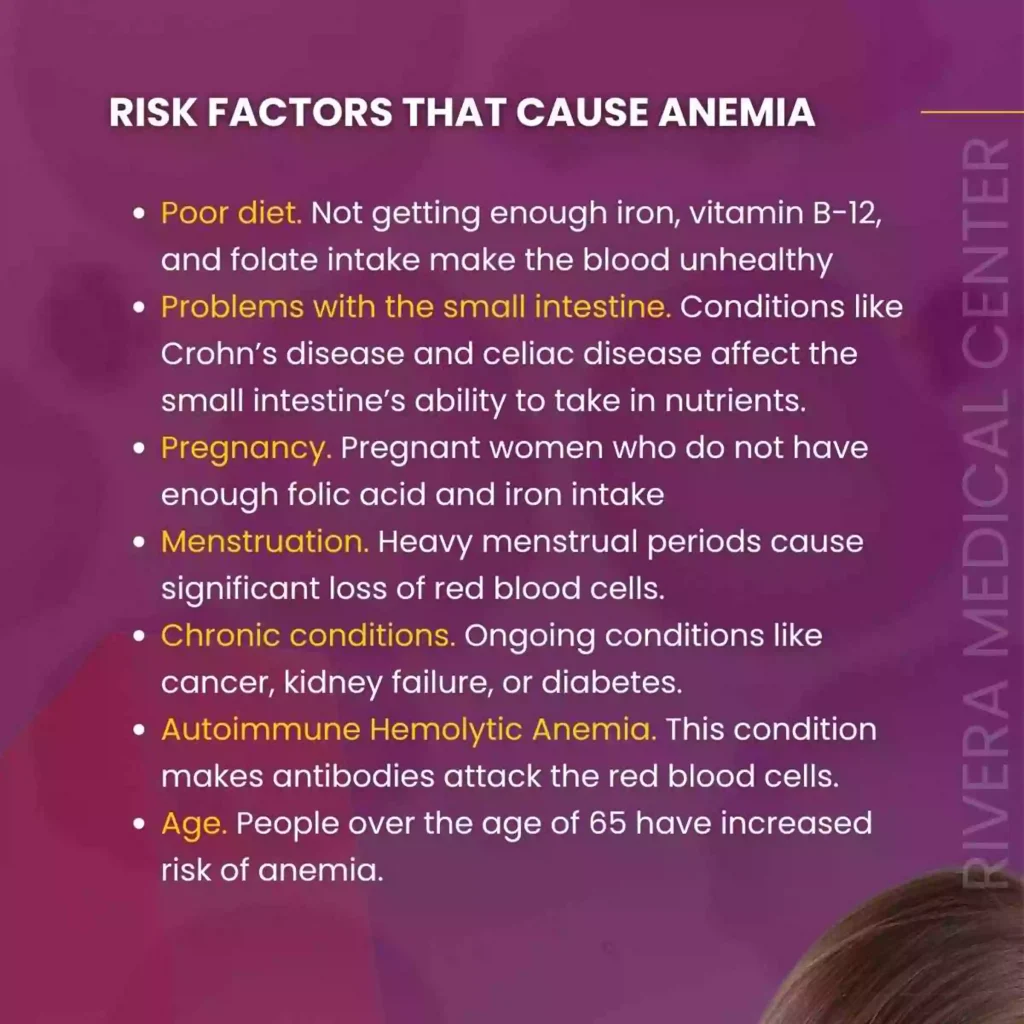
In the Philippines, several factors could reasons why individuals experience anemia:
- Nutritional Deficiencies: Iron deficiency is the most common cause. Many Filipinos do not consume enough iron-rich foods, such as meat, fish, poultry, or iron-fortified products.
- Infections and Diseases: Parasites like hookworms and chronic infections can cause blood loss or reduce iron absorption.
- Pregnancy: Pregnant women have a higher risk because their iron needs increase to support fetal growth.
- Socioeconomic Factors: Poverty, limited access to healthcare, and poor sanitation affect nutrition and increase exposure to diseases.
- Other Micronutrient Deficiencies: Deficiencies in vitamin A and folate also contribute to anemia cases.
Other risk factors causing anemia are poor diet, problems with the small intestine, pregnancy, menstruation, chronic conditions, autoimmune hemolytic anemia, and age.
Health Consequences of Anemia
Anemia reduces physical and cognitive performance, affects immune function, and during pregnancy increases risks of poor birth outcomes such as low birth weight and maternal mortality. In children, anemia can impair growth and development, potentially leading to long-lasting impacts on learning and productivity.
National Efforts to Reduce Anemia in the Philippines
The Philippines has implemented several community-based nutrition and health campaigns that have contributed to the drop in anemia prevalence. Based on the Global Nutrition Report, these efforts include:
- Iron Supplementation Programs: Providing iron tablets to pregnant women and young children to prevent and treat iron deficiency.
- Nutrition Education: Promoting diverse diets rich in iron and other essential nutrients.
- Deworming Campaigns: To reduce parasitic infections that cause blood loss.
- Enhanced Maternal and Child Health Services: Including antenatal care and health monitoring.
- Promotion of Breastfeeding: Exclusive breastfeeding improves infant nutrition and immunity.
Iron deficiency anemia accounts for approximately half of anemia in the Philippines. This type develops when the body lacks enough iron to produce healthy hemoglobin, which is essential for oxygen transport.
Current Challenges for Anemia in the Philippines
Despite progress in promoting nutrition, challenges remain for cases of anemia in the Philippines, which can also reflect conditions in Panabo City and Davao region as a whole:
- The anemia rate among pregnant women (24% in 2023) is still above the World Health Organization’s (WHO) threshold for a moderate public health problem.
- Nutritional anemia persists, compounded by limited diet diversity in poorer communities.
- Childhood anemia continues at concerning levels, particularly in infants and toddlers, affecting nearly one in seven children under five.
- Micronutrient deficiencies and infections remain widespread due to gaps in healthcare access and sanitation.
Rivera Medical Center acknowledges the need to address anemia in Panabo City and other cities in Davao region. While we support nationwide and local programs aimed to promote nutrition among Filipinos, one big challenge is the lack of current and reliable medical research in the Philippines on anemia in Davao Region.
Hopefully, future research can help medical institutions gauge how many vulnerable groups need education and assistance in terms of combating factors that contribute to anemia.
Conclusion: Combating Anemia in Davao and Panabo City
Anemia remains a significant but addressable health issue in the Philippines, including in Davao and Panabo City. While the country has achieved impressive reductions in overall anemia prevalence compared to global trends, vulnerable groups still face a substantial burden.
Continued government commitment, community-based programs, and focused nutrition interventions, anemia-related health risks can be further reduced, are needed to improve the wellbeing of millions of Filipinos.
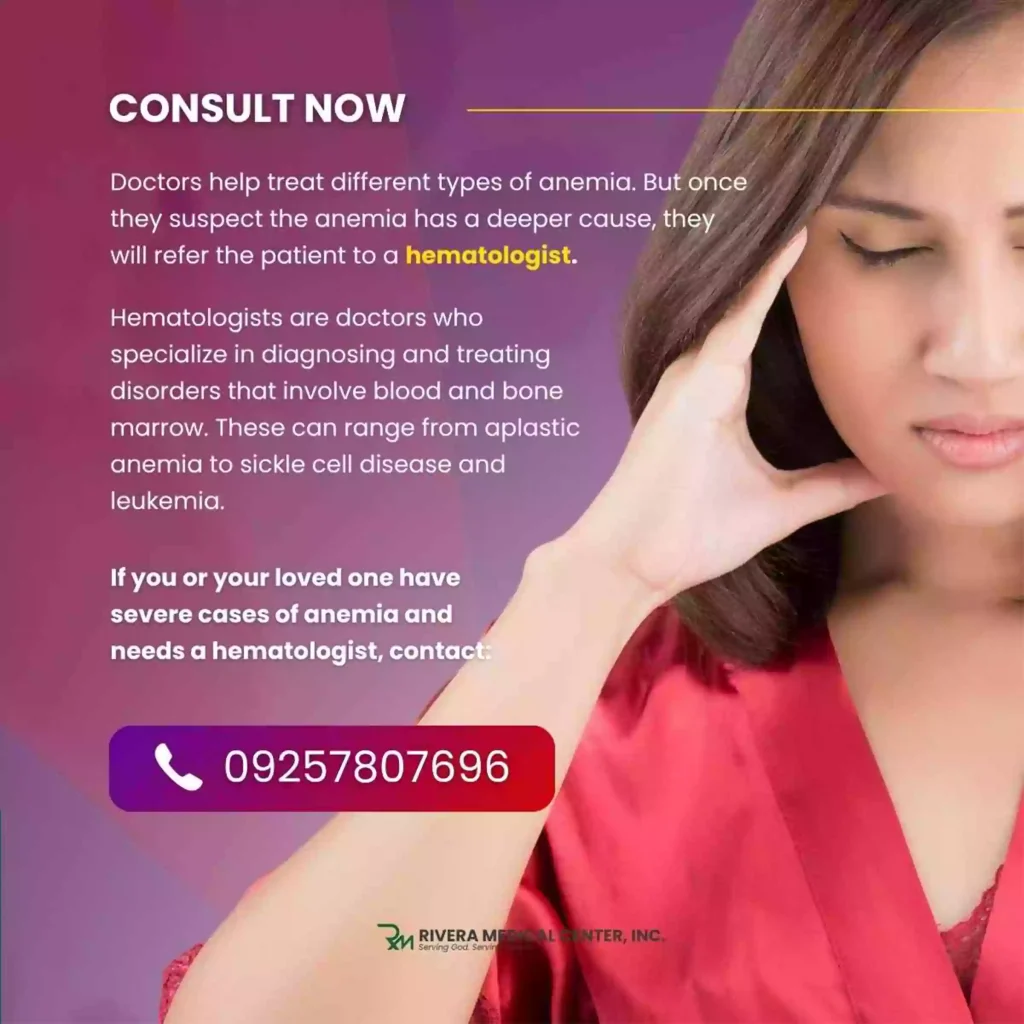
If you need professional consultation on how to keep your body and your blood healthy, our family doctors at Rivera Medical Center are here to help. We also have experts hematologists who can help diagnose and treat sever cases of anemia, especially those involving blood and bone marrow.
Sources: Philippine Society for Hematology and Blood Transfusion, World Health Organization (WHO), Philippine Department of Health (DOH), Trading Economics, Food and Nutrition Research Institute